

More Than Bubble Baths: Reclaiming Wellbeing

When Survival Becomes a Way of Life
The phrase “self-care” appears everywhere.
It is attached to images of scented candles, face masks, luxurious baths and perfectly curated morning routines. While these things can be enjoyable, they often tell only a small part of the story.
For women who have experienced domestic abuse, honour-based abuse, forced marriage, trafficking, coercive control or other forms of trauma, wellbeing is rarely about finding an extra hour for relaxation. It is often about something much deeper: learning how to feel safe again, trusting yourself again and recognising that your needs matter.
Many women spend years in survival mode.
When daily life is shaped by fear, uncertainty or the demands of caring for others, there is little space left for rest or reflection. The focus becomes getting through the day, meeting responsibilities and managing whatever challenge comes next.
Over time, survival can become so familiar that wellbeing feels like a luxury rather than a necessity.
Yet recovery asks something different of us.
It asks us to move beyond surviving and begin living again.
Understanding What Self-Care Really Means
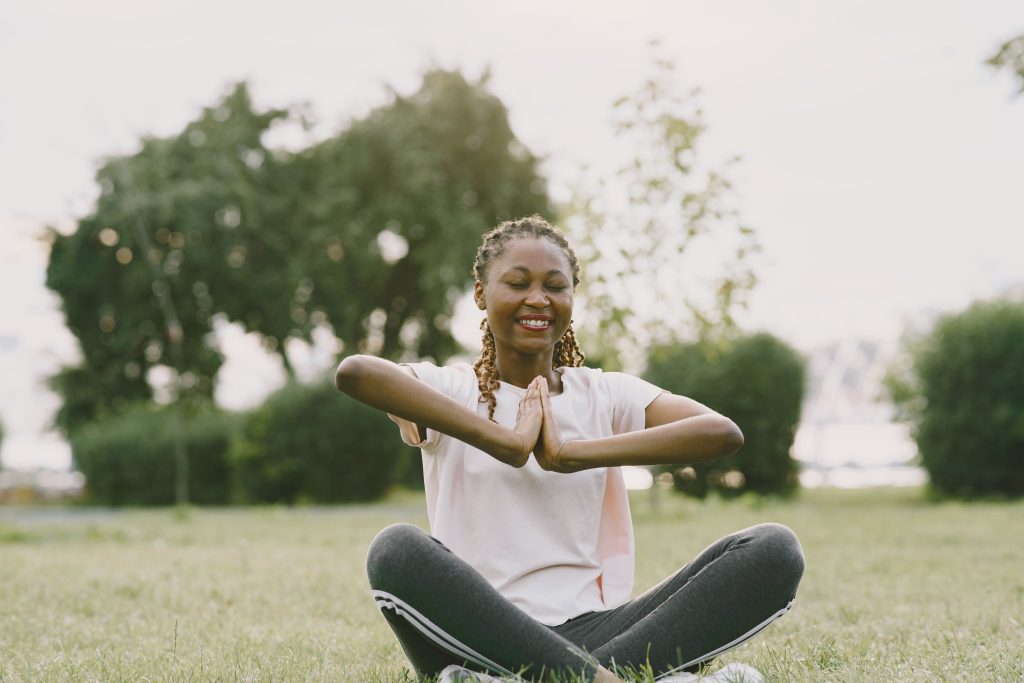
Meaningful self-care is not about perfection.
It is not about expensive products, complicated routines or achieving a particular lifestyle. At its heart, self-care is the practice of recognising your own worth and responding to your needs with kindness.
For someone recovering from trauma, self-care might mean attending a counselling session even when it feels difficult. It might mean taking medication, asking for help, going for a walk, preparing a nourishing meal or allowing yourself to rest without guilt.
Sometimes self-care is not particularly glamorous.
Sometimes it is making a difficult phone call.
Sometimes it is saying no.
Sometimes it is choosing not to carry responsibilities that were never yours to begin with.
The most meaningful forms of self-care are often the ones that help us protect our wellbeing, strengthen our resilience and reconnect with ourselves.
The Power of Rest
Rest is often underestimated.
Many women have been taught, directly or indirectly, that their value lies in how much they do for others. They become caregivers, organisers, supporters and problem-solvers. Even when exhausted, they continue giving.
Trauma can intensify this pattern. Some women become hypervigilant, constantly anticipating problems or feeling responsible for keeping everyone around them safe and happy. Others struggle to relax because their bodies have become accustomed to remaining on alert.
Rest can therefore feel unfamiliar, uncomfortable or even undeserved.
Yet rest is not laziness.
Rest is a human need.
It allows the mind and body to recover, process experiences and regain strength. For women healing from trauma, learning to rest can be an important part of learning that safety is possible.
Boundaries Are a Form of Self-Respect
One of the most challenging aspects of recovery can be learning to set boundaries.
Women who have experienced abuse or coercive control are often accustomed to placing other people’s needs ahead of their own. They may have been discouraged from expressing opinions, making decisions or saying no.
Rebuilding a sense of self frequently involves rediscovering personal boundaries.
This may mean limiting contact with harmful individuals, protecting time for recovery, declining requests that feel overwhelming or recognising when a relationship is no longer healthy.
Boundaries are sometimes misunderstood as rejection.
In reality, healthy boundaries create the conditions for healthier relationships. They allow women to protect their emotional wellbeing while still maintaining meaningful connections with others.
Setting boundaries can feel uncomfortable at first, particularly for those who have spent years putting everyone else first. However, it is often one of the most important acts of self-respect a woman can undertake.

Healing Through Connection
Trauma often thrives in isolation.
Many women who have experienced abuse describe feeling alone, misunderstood or disconnected from others. Rebuilding those connections can be an important part of recovery.
Support does not always need to come from a professional service, although specialist support can be invaluable. Healing can also be found in trusted friendships, support groups, community organisations, faith communities and cultural networks that provide a sense of belonging.
Being heard without judgement can be profoundly powerful.
So can discovering that others have faced similar challenges and found ways forward.
Recovery does not have to happen alone.
In fact, it rarely does.
Human beings are wired for connection, and supportive relationships can help restore confidence, hope and a sense of possibility.
Faith, Culture and Identity
For many women, wellbeing is closely connected to faith, spirituality, culture and heritage.
These aspects of identity can provide comfort, guidance and strength during difficult times. Cultural traditions, prayer, reflection, creative expression and community celebrations can all play meaningful roles in the healing process.
At the same time, recovery may involve navigating complex feelings about identity, particularly if aspects of culture, family expectations or community pressures have been linked to difficult experiences.
There is no single path to healing.
For some women, reconnecting with cultural traditions brings comfort and belonging. For others, healing may involve redefining what those traditions mean in their lives.
What matters most is creating space for women to explore their identities on their own terms and in ways that support their wellbeing.
Rediscovering Who You Are
Perhaps one of the most significant aspects of recovery is reconnecting with the person beneath the trauma.
Abuse and adversity can narrow a person’s world. Dreams may be set aside. Interests may be forgotten. Confidence may be gradually eroded.
Over time, it can become difficult to remember who you were before everything happened.
Recovery often involves rediscovery.
It may mean returning to old passions, trying something new, pursuing education, building friendships or simply allowing yourself to imagine a different future.
These moments are not insignificant.
They are reminders that trauma does not define a person’s entire story.
Women are not only survivors of difficult experiences. They are individuals with talents, ambitions, creativity, wisdom and countless possibilities still ahead of them.
A Gentler Relationship With Yourself
International Self-Care Day offers an opportunity to rethink what self-care truly means.
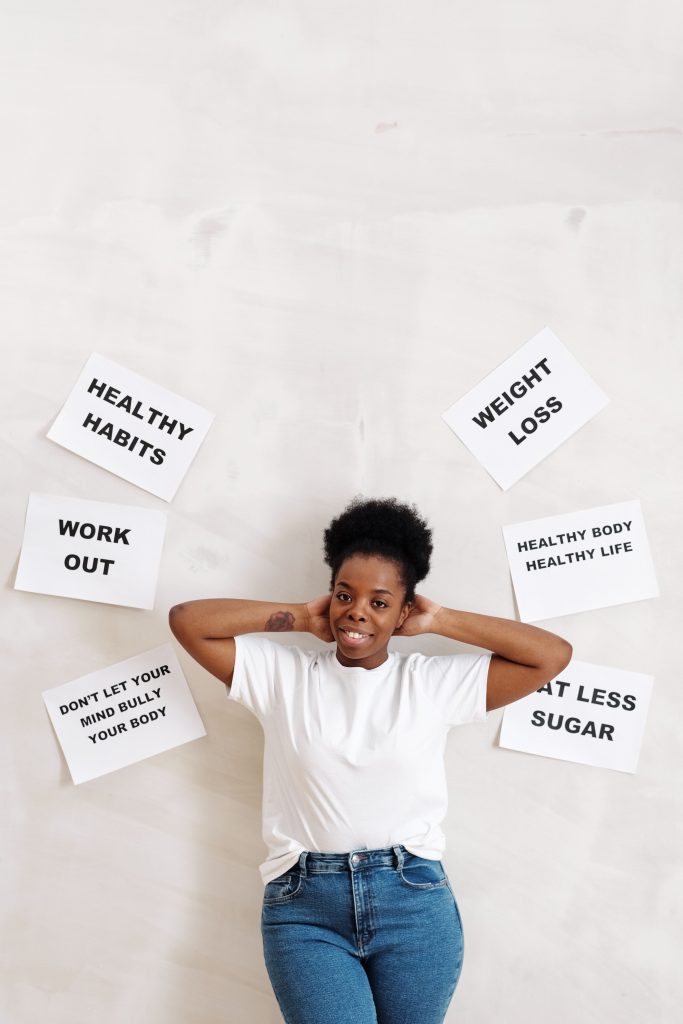
For women recovering from trauma, self-care is not about achieving perfection or creating a picture-perfect life. It is about developing a gentler relationship with yourself. It is about recognising that healing takes time and that progress is rarely linear.
Some days will feel easier than others.
Some days, self-care may look like taking a step forward. On other days, it may simply mean allowing yourself to pause.
Both are valuable.
The journey towards wellbeing is not measured by how productive, successful or resilient you appear to others. It is measured by the small, often unseen ways in which you continue choosing yourself, your safety and your future.
And sometimes, that choice is the most powerful act of self-care of all.