The woman who sued for her freedom
International Day of Remembrance of the Victims of Slavery and the Transatlantic Slave Trade
When we remember the history of slavery, we often hear about ships, laws, and empires. We hear numbers, dates, and political figures. Less often do we hear about the women — especially Black women — whose individual acts of courage quietly challenged the system from within.
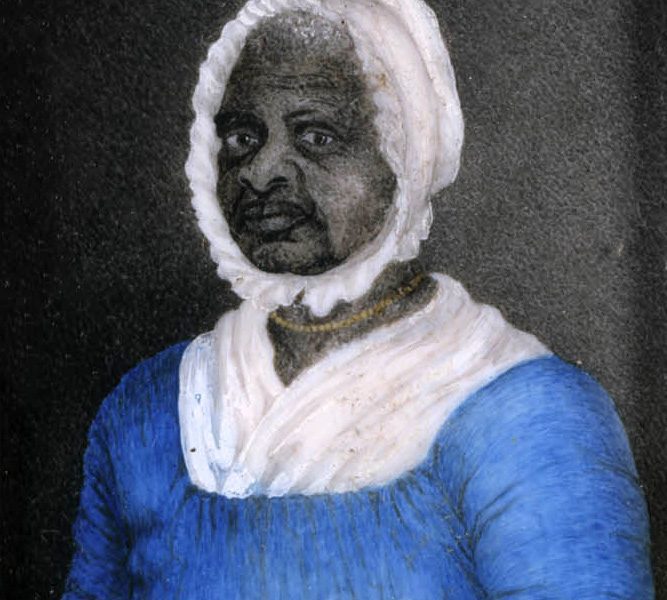
On this day of remembrance, Anah Project is reflecting on the story of Elizabeth Freeman, also known as Mum Bett — a woman born into slavery who took an extraordinary step that helped question the legality of slavery itself.
Her name is not widely known. But her actions reshaped history.
A life marked by violence
Elizabeth Freeman was born into slavery in the 18th century. Like many enslaved women, her life was defined by control, forced labour, and a complete lack of legal rights. She worked in a household where she experienced physical violence and witnessed abuse.
One day, during an act of violence against another enslaved girl, Elizabeth intervened. In the process, she was badly injured. The scar from that injury remained visible for the rest of her life — and she refused to hide it. She wore short sleeves so people would ask about it.
She wanted the truth to be seen.
For many women experiencing abuse today, the instinct is often to hide the wound — physical or emotional. Elizabeth did the opposite. She made her suffering visible, and in doing so, she made a statement: this is not acceptable.
 Hearing words that changed everything
At some point, Elizabeth heard powerful words being spoken about equality and rights — words declaring that all people are born free and equal. She recognised the contradiction immediately. If those words were true, how could slavery exist?
Instead of accepting her situation as unchangeable, she did something almost unthinkable for an enslaved woman at that time.
She decided to go to court.
She approached a lawyer and argued that the principles of equality being spoken about should apply to her too. Her case became one of the first legal challenges brought by an enslaved person demanding recognition of her freedom under constitutional rights.
She was not asking for kindness.
She was demanding justice.
Courage in a system not built for you
Imagine the risk.
Elizabeth had no power, no wealth, and no social protection. The legal system was created by the very structures that allowed slavery to exist. Speaking up could have led to punishment, retaliation, or worse.
And yet she stood in court and asserted something radical: that she was a person with rights.
She won.
Her case became part of a legal turning point that made slavery increasingly difficult to defend under the law in that region. Historians later recognised that this legal shift contributed to the end of slavery there.
One woman’s refusal to accept injustice helped expose a contradiction at the heart of the system.
 Why her story still matters
Remembering slavery is not only about the scale of suffering. It is also about recognising the humanity, resistance, and agency of those who were enslaved.
Elizabeth Freeman’s story reminds us that enslaved people were not passive in their oppression. They resisted in ways both visible and quiet, collective and individual. Her courage shows what can happen when someone who is told they have no voice chooses to speak anyway.
At Anah Project, we work with women who are often navigating systems that feel stacked against them — legal systems, immigration systems, family pressures, community expectations, or abusive relationships where power is deeply unequal.
Many women we support are made to feel:
- That they should stay silent
- That no one will believe them
- That speaking out will make things worse
- That their suffering is something to endure, not challenge
Elizabeth’s story echoes across centuries:
What changes when one woman says, “This is not right”?
The power of being believed
Elizabeth did not free herself alone. She needed someone to listen. Someone to take her case seriously. Someone to stand beside her in a system that was not designed for her protection.
That is still true today.
When women experiencing abuse, exploitation, or control are believed and supported, it can shift not only their own lives, but the expectations of entire communities. Each act of support says: your safety matters, your voice matters, your rights matter.
Change does not always begin with governments or institutions. Sometimes it begins with one person refusing to accept harm as normal.
Remembering the women history almost forgot
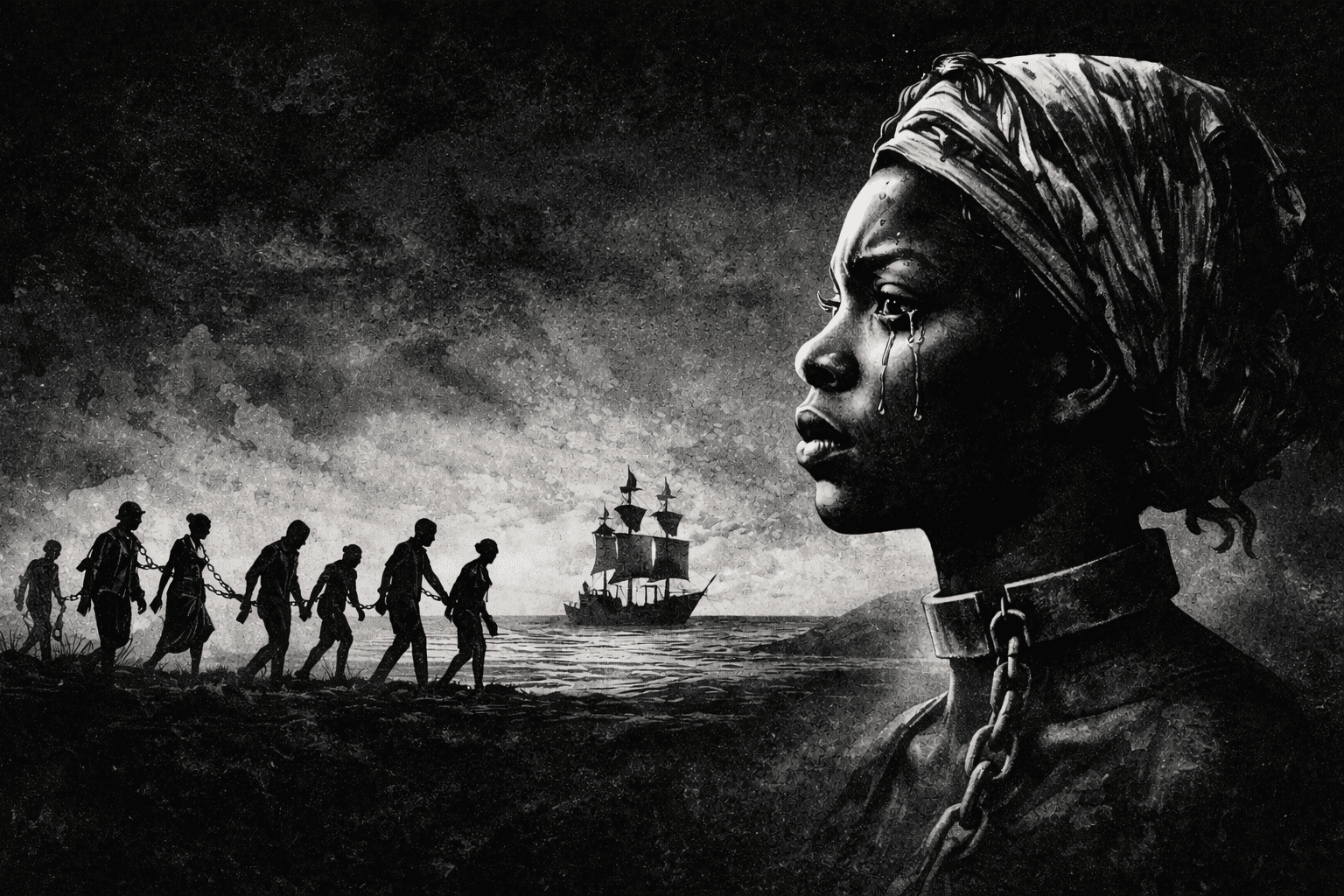
On this day, we remember the millions of lives stolen, exploited, and dehumanised through the transatlantic slave trade. We also remember the individuals whose names are missing from textbooks — women like Elizabeth Freeman, whose courage challenged injustice in ways that history does not always centre.
They were there.
They resisted.
They changed things.
As we remember the victims of slavery, we also honour their strength, their humanity, and their refusal — in ways big and small — to accept a system that denied their worth.
We might ask ourselves:
- Whose stories are still unheard today?
- Which women are being told to stay silent right now?
- What might change if they were supported to speak?
The legacy of women like Elizabeth Freeman lives on in every woman who reaches out for help, every survivor who tells her story, and every space that says: you deserve safety, dignity, and freedom from harm.