Echos of Her: FJDI and Women’s Voices
In communities affected by conflict, recovery is rarely measured only by the rebuilding of roads, schools or public institutions. True recovery is found in the restoration of dignity, the pursuit of justice, the preservation of memory and the creation of opportunities for future generations to thrive.
These are the foundations upon which the Foundation for Justice and Development Initiatives (FJDI) has built its work.
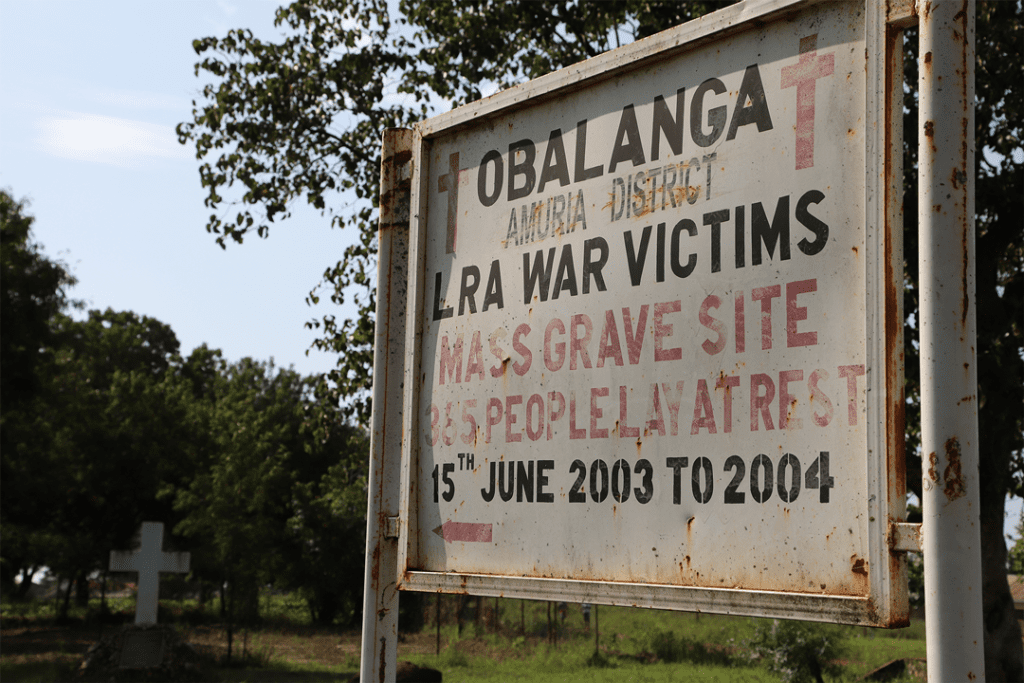
For many years, FJDI has been at the forefront of promoting peace, human rights, transitional justice and community development in Northern Uganda. Through memorialisation initiatives, community engagement, advocacy and empowerment programmes, the organisation continues to create spaces where survivors are heard, histories are preserved and communities are supported in shaping a more just future.
At the heart of this work are dedicated individuals whose own experiences and aspirations reflect the values that FJDI seeks to promote. One such individual is Beatrice Acayo, whose journey illustrates both the impact of the organisation and the importance of investing in women as leaders, advocates and agents of change.
An Organisation Rooted in Community Healing
The legacy of conflict continues to shape many communities across Northern Uganda. While peace has returned, the effects of violence, displacement and loss remain part of the lived experiences of countless individuals and families.
FJDI recognises that healing is not a single event but an ongoing process.
Its work goes beyond addressing the past. The organisation actively supports communities in preserving memory, promoting accountability, strengthening human rights and ensuring that those most affected by conflict are not excluded from conversations about the future.
This approach reflects a deep understanding that sustainable peace cannot be achieved through institutions alone. It requires meaningful engagement with communities, recognition of lived experiences and a commitment to ensuring that no voice is left unheard.
By creating opportunities for dialogue, remembrance and participation, FJDI helps communities transform painful histories into pathways towards recovery and resilience.
Inspired by Those Who Built Peace
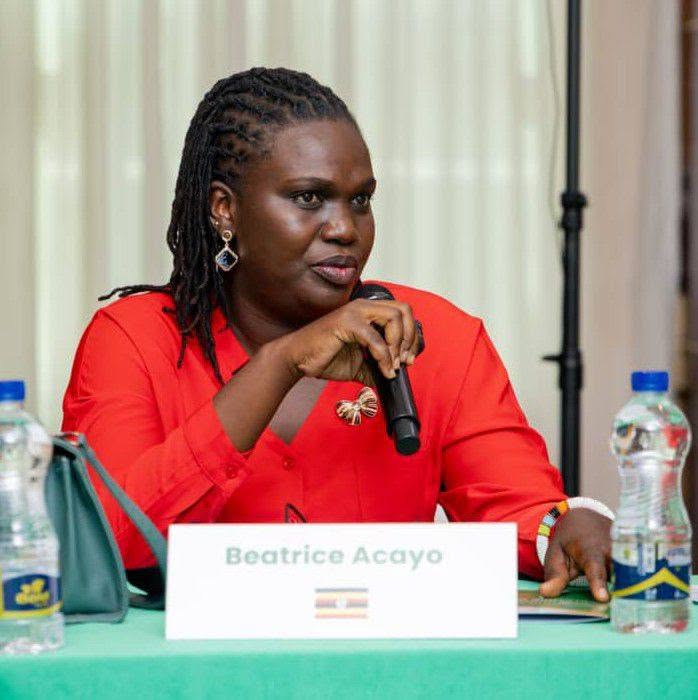
For Beatrice Acayo, joining FJDI was not simply a career choice. It was the continuation of a commitment that began during childhood.
Growing up in Northern Uganda during the LRA insurgency, she witnessed both the devastating effects of conflict and the efforts of individuals and organisations working tirelessly to restore peace.
Reflecting on her journey, she explains:
“My inspiration to work with FJDI traces back to my childhood admiration for peace-related work, having been born and raised in Northern Uganda, a time when the LRA insurgency was active. I deeply admired individuals and organisations that worked to pacify the region, and this informed my choice to study social sciences, to enable me to serve the community closely.”
These experiences shaped her understanding of service and community responsibility, ultimately leading her to an organisation whose mission closely aligns with her own values.
“FJDI’s work on peace, human rights and transitional justice perfectly aligns with my personal career goals and direction, hence my inspiration to be involved with the organisation.”
Her story is a reminder that organisations such as FJDI do more than deliver programmes. They nurture and inspire individuals who are committed to creating positive change within their communities.
Why Women’s Voices Matter
A defining strength of FJDI’s work is its recognition that peacebuilding and development cannot succeed without the meaningful participation of women.
Across the world, women often experience conflict, poverty and social inequality differently from men. As a result, their perspectives are essential when designing solutions that genuinely address community needs.
Beatrice believes that empowerment must go far beyond providing opportunities alone.
“Empowering women means approaching their unique gender needs holistically, alongside basic human rights. This means using equity as the guiding principle in delivering interventions and opportunities, as well as giving them real decision-making power through meaningful participation and representation.”
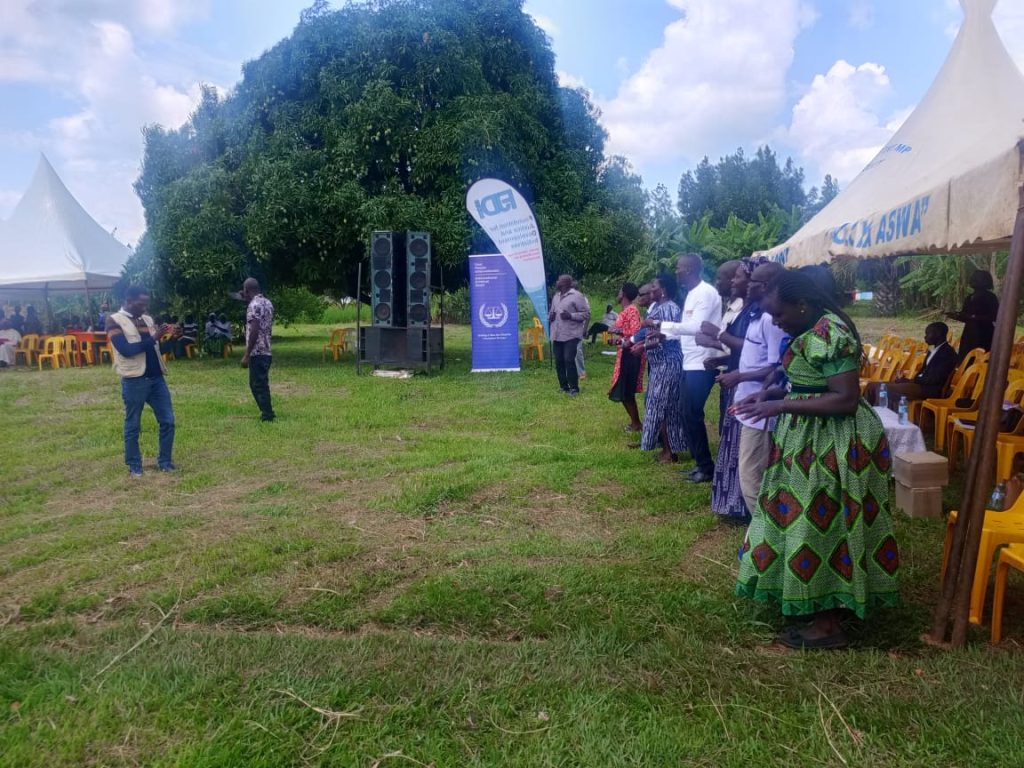
This philosophy is reflected in FJDI’s broader commitment to inclusion and community engagement. The organisation understands that women must not simply be beneficiaries of programmes; they must be active participants in shaping them.
When women are involved in decision-making processes, communities benefit from a wider range of experiences, perspectives and solutions.
Creating Safe Spaces for Collective Strength
One of the most powerful aspects of FJDI’s work is its ability to create environments where people feel safe to share their experiences, concerns and aspirations.
For women in particular, these spaces can be transformative.
“Women need spaces where they feel heard and supported because every situation affects women disproportionately compared to their male counterparts.”
Safe spaces provide more than emotional support. They help women build confidence, strengthen networks and identify common challenges that require collective action.
As Beatrice explains:
“Safe spaces help them to harness their power as women and amplify their voices on issues pertinent to them from a united front.”
This collective approach aligns closely with FJDI’s wider vision of community-led development. By supporting dialogue and participation, the organisation helps ensure that women are not only heard but are also able to influence decisions that affect their lives.
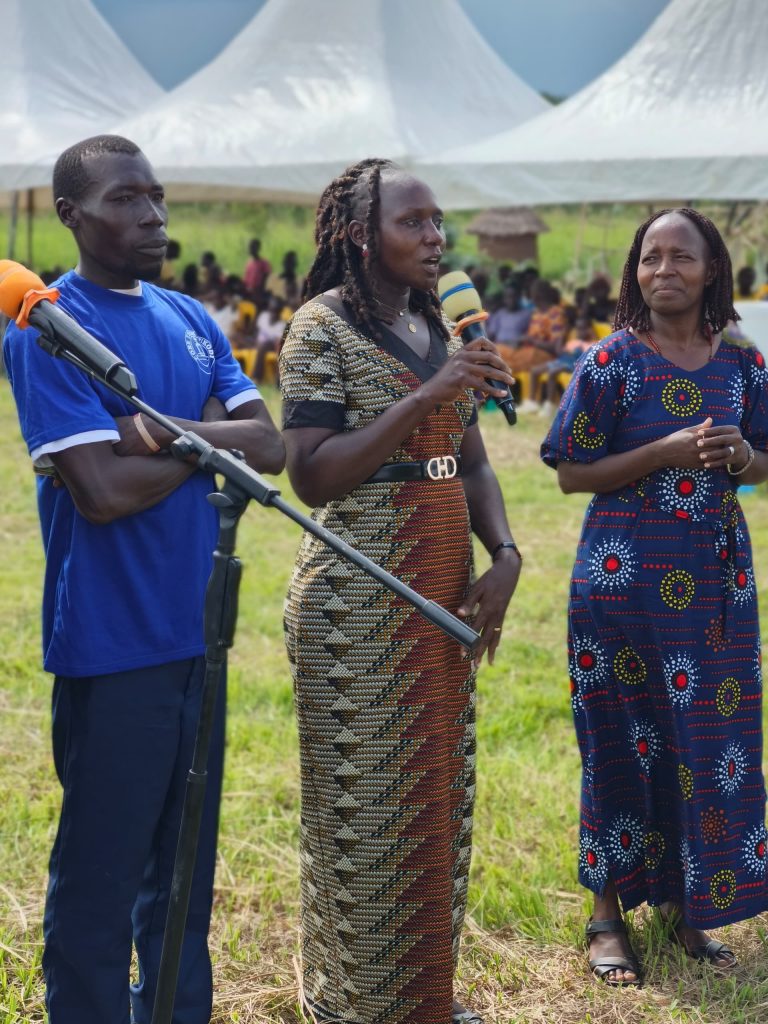
Addressing Everyday Barriers to Equality
While discussions around women’s rights often focus on legislation and policy, FJDI also recognises the importance of addressing everyday realities.
One issue highlighted by Beatrice is the significant burden of unpaid care work.
“The burden of unpaid care work is one of the biggest everyday struggles of women, cutting across both formally employed and unemployed women.”
This challenge affects women across all sectors and communities. It limits opportunities, reduces economic participation and often restricts access to leadership roles.
By raising awareness of these realities and advocating for more equitable approaches, organisations such as FJDI contribute to broader conversations about gender justice and social inclusion.
Shaping the Future Through Participation
FJDI’s commitment to community engagement is rooted in the belief that those affected by challenges should be involved in developing solutions.
This principle is particularly important when considering the role of women in governance and decision-making.
“This helps to inform policy formulation and other planning processes, such as budgeting at different levels, hence leaving no one behind.”
When women’s voices are included in planning and policy discussions, the resulting decisions are more representative, inclusive and effective.
This is not simply a matter of fairness. It is a practical necessity for sustainable development and long-term peace.
Looking Forward
As Northern Uganda continues its journey of recovery and development, organisations such as FJDI remain vital pillars of support for communities seeking justice, healing and opportunity.
Their work demonstrates that peacebuilding is not confined to historical events or political agreements. It is an ongoing process that requires commitment, compassion and the active participation of those most affected by social challenges.
Through the dedication of individuals like Beatrice Acayo, FJDI continues to champion a future in which women’s voices are valued, communities are empowered and human dignity remains at the centre of development.
The organisation’s work serves as a powerful reminder that meaningful change begins when communities are given the tools, opportunities and confidence to shape their own future.
In celebrating Beatrice’s contribution, we also celebrate the wider mission of FJDI: building stronger communities, preserving memory, promoting justice and ensuring that the voices of women continue to shape the path towards lasting peace.