Ending Racial Discrimination Together
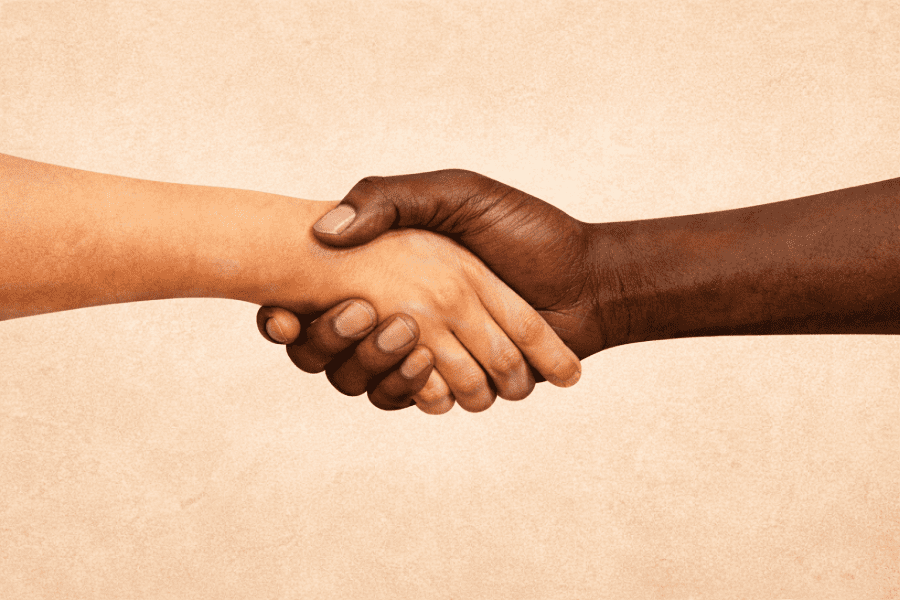
The International Day for the Elimination of Racial Discrimination (21 March) is observed each year to mark the killing of peaceful anti-apartheid protesters in 1960 and to renew a global commitment to dismantling racism in all its forms. It is not only a moment of remembrance, but a call to examine how racial discrimination continues to shape institutions, policies, and lived experiences across the world.
Racism is not simply a matter of individual prejudice. It is embedded in systems — in who is believed, who is protected, who is listened to, and who is left navigating harm alone.
This day asks difficult but necessary questions:
Who benefits from existing structures?
Who is made more vulnerable by them?
What would true racial justice require of us?
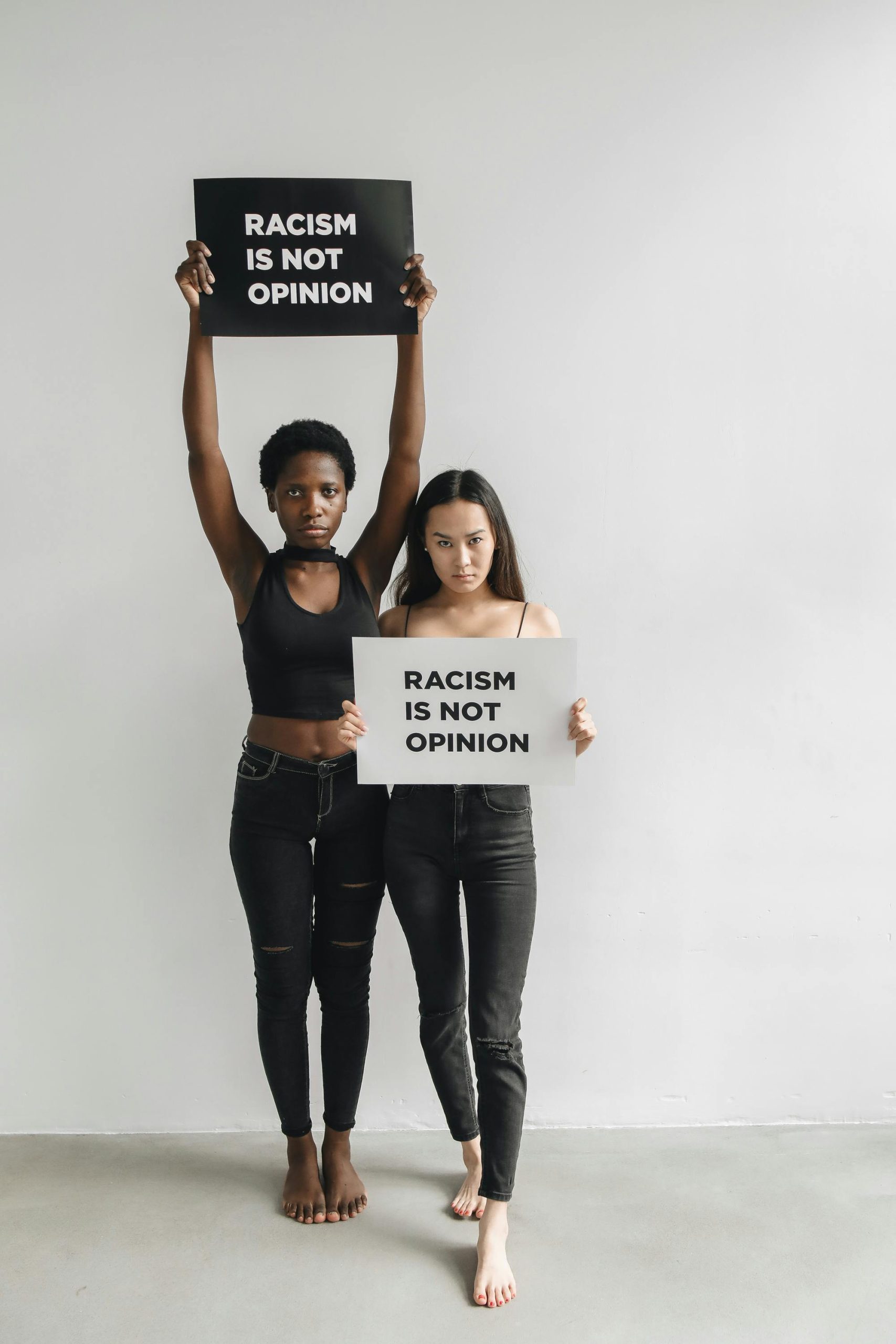
Beyond individual bias: understanding structural racism
Public conversations about racism often focus on personal attitudes or isolated incidents. While these are important, they can distract from a deeper reality: racial inequality is sustained through structures that appear neutral but produce unequal outcomes.
Structural racism operates through interconnected systems — education, housing, healthcare, employment, criminal justice, immigration policy, and social services. These systems shape life chances long before individual choices come into play. They influence who has access to safety, stability, and opportunity, and who faces disproportionate scrutiny, hardship, or harm.
For women from Black and minoritised communities, racism rarely operates in isolation. It intersects with gender inequality, economic marginalisation, migration status, disability, and experiences of violence. This intersection creates layered vulnerabilities that are often misunderstood or overlooked by services not designed with these realities in mind.
Racial discrimination, therefore, is not only about exclusion. It is about differential exposure to risk, harm, and disbelief.
The emotional and psychological weight of racism
Racism does not only shape material conditions. It also has profound emotional and psychological impacts.
Repeated exposure to discrimination, microaggressions, and institutional bias can lead to chronic stress, anxiety, hypervigilance, and a diminished sense of belonging. For many, the burden lies not only in overt acts of racism, but in the constant negotiation of identity in spaces where one is treated as an outsider, a stereotype, or a problem to be managed.
For women who are also navigating abuse, exploitation, or trauma, racism can compound isolation. Fear of being misunderstood, culturally judged, or dismissed can prevent individuals from seeking help. Experiences of discrimination within services can reinforce mistrust and silence.
The result is a double marginalisation: surviving harm while also navigating systems that do not fully recognise or respond to the complexity of that harm.
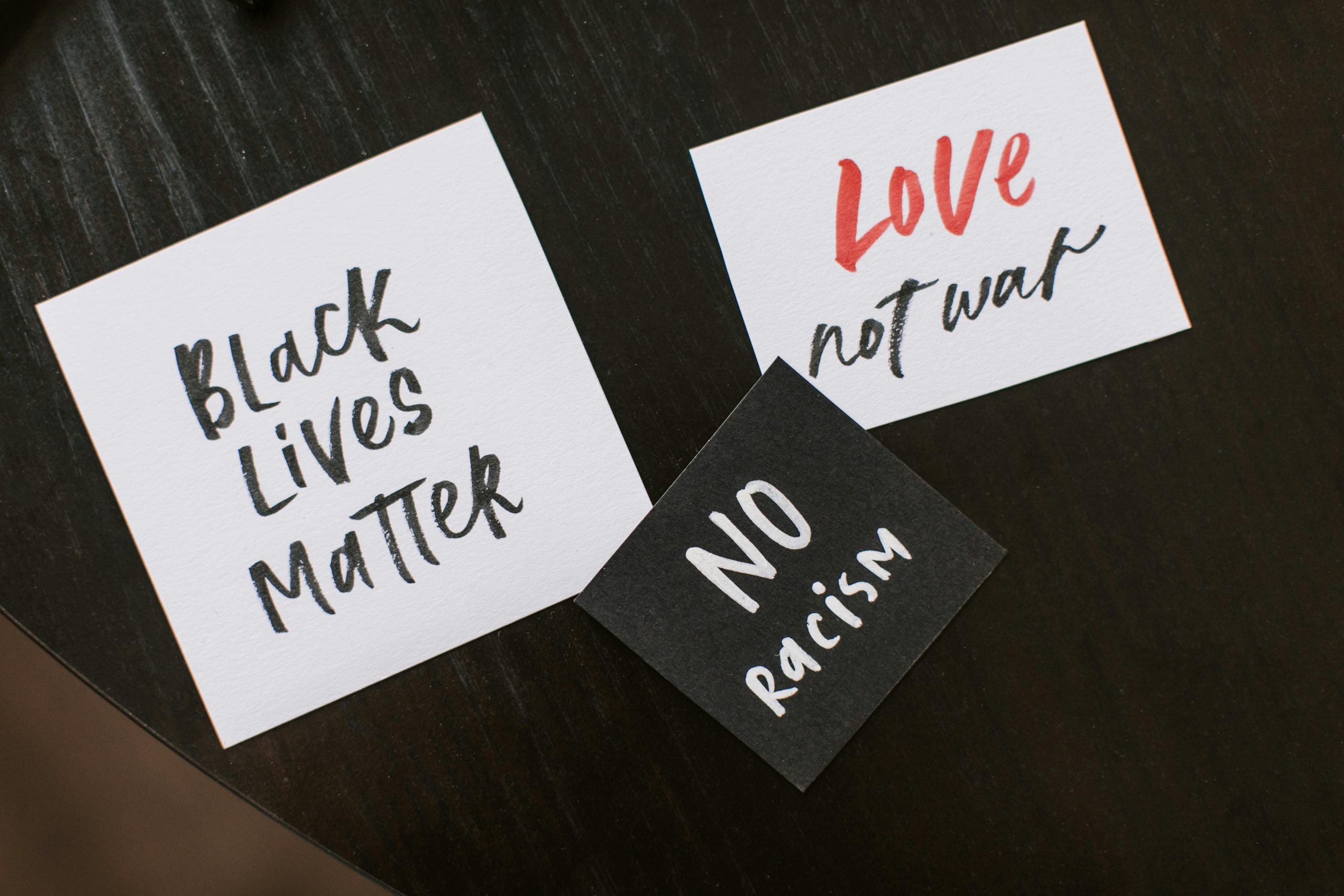 Historical legacies and present realities
Contemporary racial inequalities cannot be separated from historical processes such as colonisation, enslavement, segregation, and exclusionary immigration policies. These histories shaped global distributions of wealth, power, and representation, and their effects continue to influence whose knowledge is valued, whose suffering is acknowledged, and whose lives are considered worthy of protection.
Remembering history is not about dwelling in the past. It is about recognising how past injustices structure present conditions.
The International Day for the Elimination of Racial Discrimination reminds us that racism is not accidental. It is produced and reproduced through decisions, policies, and narratives — and therefore can be challenged and changed through collective action and accountability.
Listening to lived experience
One of the most powerful tools in challenging racial discrimination is listening to those directly affected.
Lived experience reveals gaps between policy and reality. It shows how systems that appear fair on paper can operate unevenly in practice. It highlights how cultural misunderstanding, language barriers, and implicit bias can shape responses to disclosures of violence, mental health needs, or safeguarding concerns.
At Anah Project, we see how culturally informed, trauma-aware support can make a transformative difference. When women are met with understanding rather than suspicion, and with respect rather than judgement, barriers begin to shift. Recognition of cultural context, migration experiences, faith, and community dynamics is not an “extra” — it is essential for meaningful support.
Racial justice requires not only representation, but structural change informed by those who experience the sharpest edges of inequality.
From awareness to accountability
Awareness alone does not dismantle racism. Statements of solidarity, while important, must be matched by sustained commitment to change.
This includes:
- Reviewing policies and practices for discriminatory impact
- Investing in culturally competent and community-led services
- Collecting and acting on disaggregated data to reveal inequalities
- Addressing barriers to reporting violence and accessing support
- Creating leadership pathways for people from Black and minoritised communities
Eliminating racial discrimination is not a one-day task. It is an ongoing process of reflection, redistribution of power, and institutional transformation.
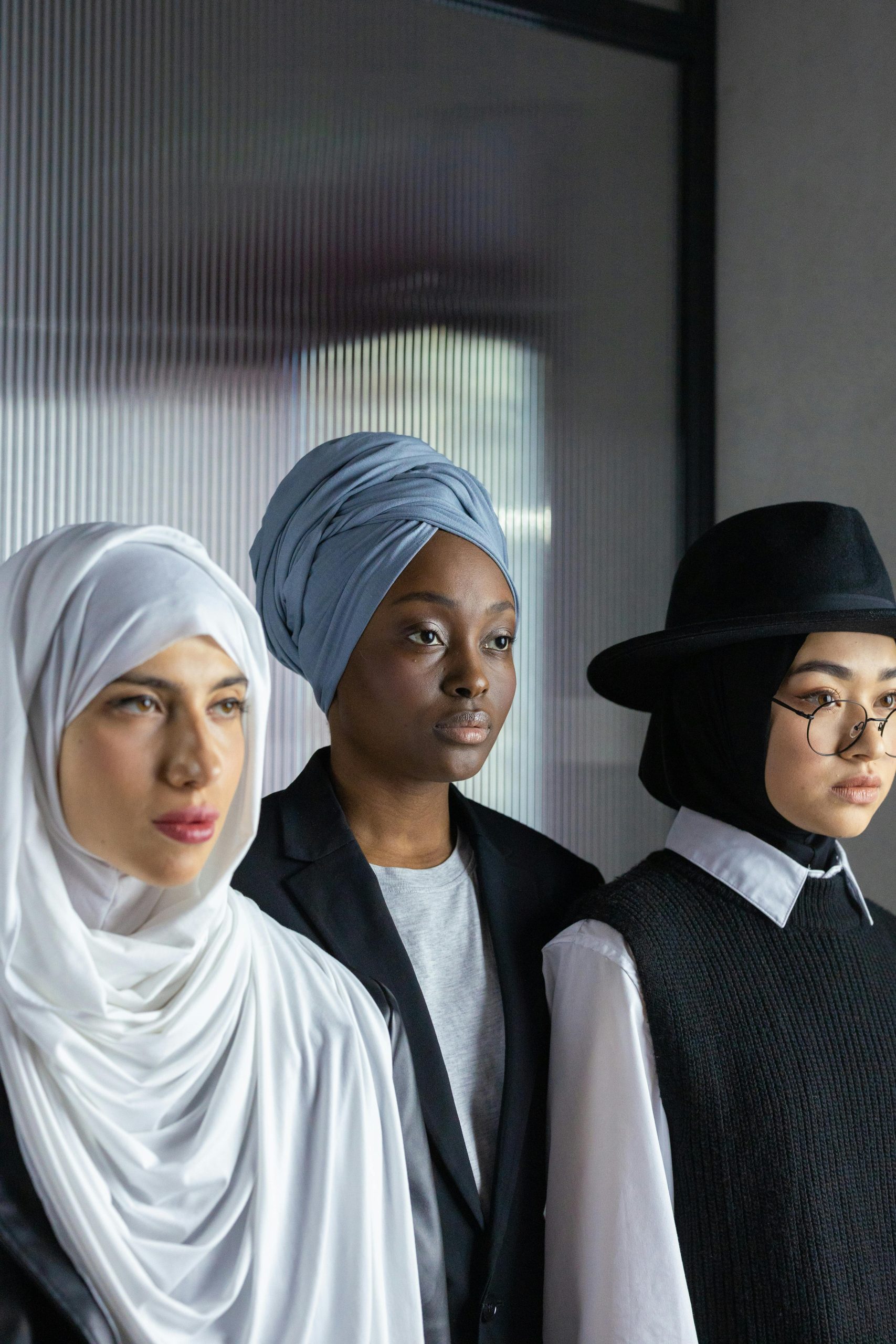 Reimagining a more equitable future
This day is both a remembrance and a vision. It honours those who have resisted racial oppression and those whose lives have been cut short by racist systems. It also challenges us to imagine a future where dignity, safety and opportunity are not shaped by race.
Such a future requires more than tolerance. It requires justice. It requires systems that protect rather than punish, listen rather than dismiss, and include rather than exclude.
As we mark the International Day for the Elimination of Racial Discrimination, we are invited to move beyond symbolic recognition and towards meaningful change — in policy, in practice, and in everyday interactions.
Because the elimination of racial discrimination is not only about removing harm. It is about building a society where every person’s life is recognised as equally valuable, and where equality is not an aspiration, but a lived reality.