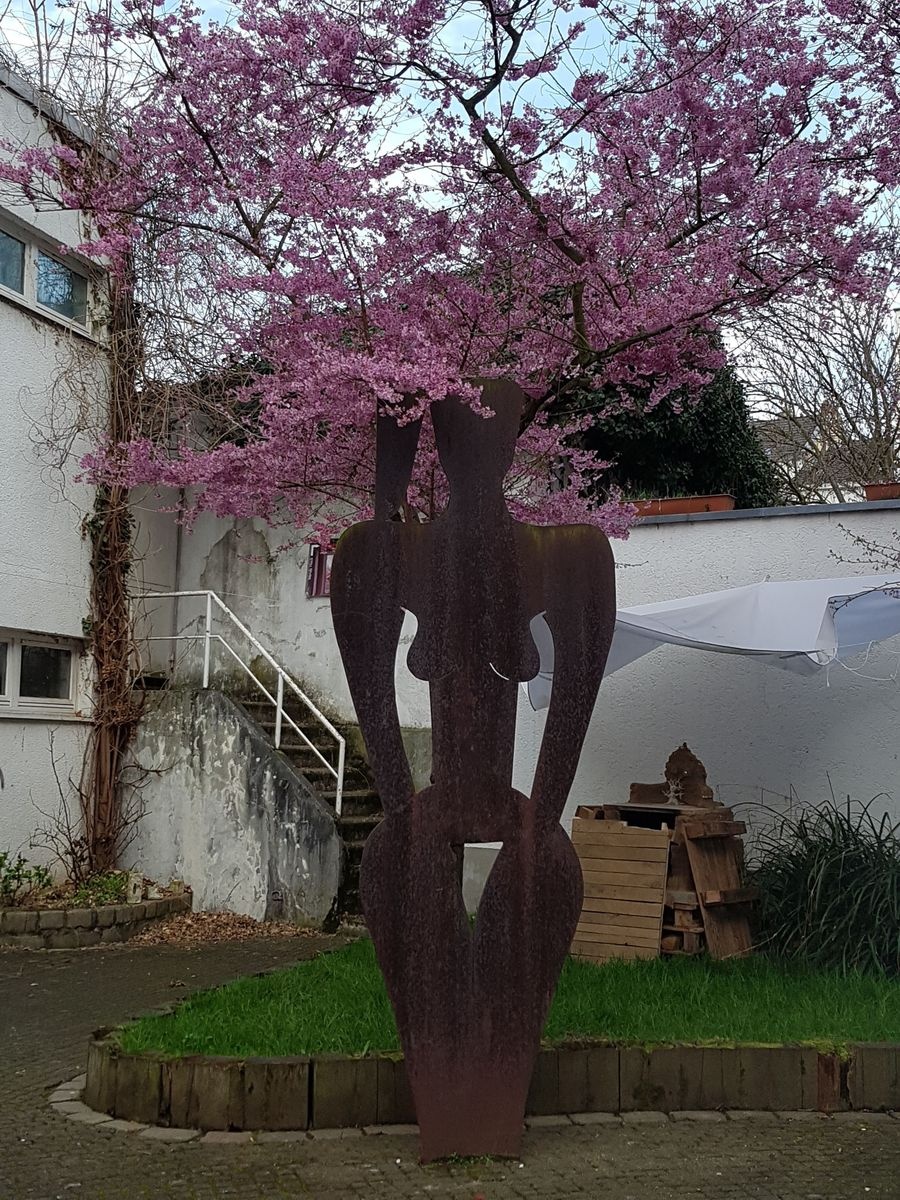
#EchosOfHer – Bonn Women’s Museum

Bonn Women’s Museum — Where Women’s Art Reclaims Its Place
When Marianne Pitzen founded the Bonn Women’s Museum in 1981, she was responding to a cultural silence — one that had echoed for centuries in galleries, museums, and art histories around the world. Women’s artistic contributions had long been sidelined, underrepresented, or outright ignored in mainstream institutions. Pitzen’s vision was not simply to create a gallery but to build a sanctuary: a space where women’s creativity, struggles, and stories could be seen, heard, and honoured on their own terms.
The Birth of a Radical Idea
At a time when feminist discourse was gaining momentum, but the art world remained stubbornly male-dominated, Pitzen’s initiative was revolutionary. She recognised that art was a powerful vehicle for social change and that reclaiming women’s place in art history was vital for wider gender justice. The Bonn Women’s Museum was the first museum dedicated exclusively to women’s art — not an addendum or side project, but a main stage.
From the outset, Pitzen committed the museum to exhibiting art that challenged prevailing narratives about gender, identity, and power. This was about more than visibility; it was about redefining artistic canons and questioning who gets to decide what is valuable or worthy.

A Mosaic of Voices and Mediums
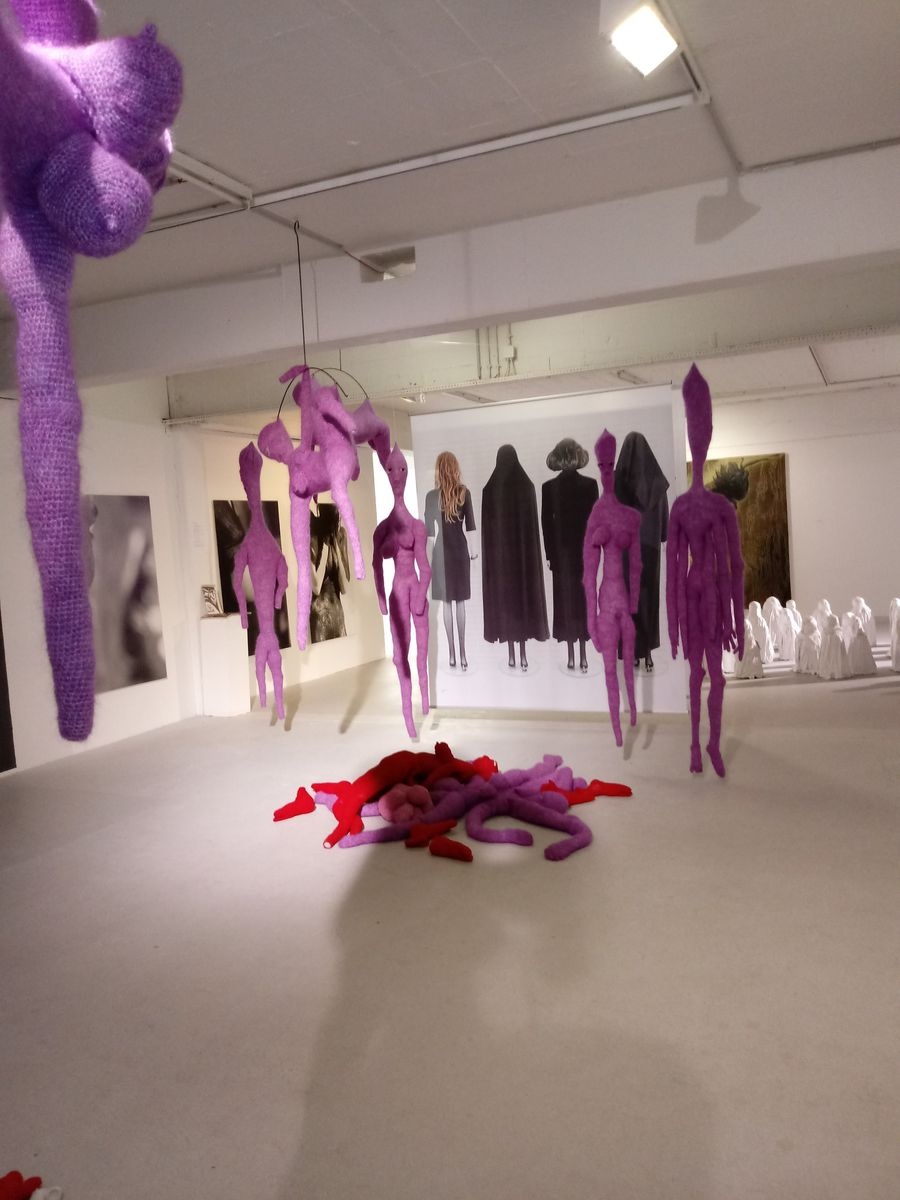
Walking through the museum’s exhibitions, visitors encounter an astonishing range of mediums and messages — from painting and sculpture to video installations and performance art. The curatorial choices celebrate diversity, featuring artists from various backgrounds, ages, and experiences.
Each exhibition is an invitation to listen: to voices that speak of resilience, resistance, joy, and sometimes pain. These stories refuse to be homogenised; instead, they reveal the richness and complexity of womanhood in its many forms.
The museum’s rotating exhibitions also serve as a platform for emerging artists, ensuring that the future of women’s art continues to grow and evolve.
Beyond the Gallery: Community and Education
The Bonn Women’s Museum extends its influence far beyond its walls. It runs workshops, seminars, and public discussions that encourage critical reflection on feminism, culture, and social justice. Through partnerships with schools and community organisations, it nurtures new generations of artists and activists.
Education here is not passive but active — visitors are invited to question the world around them and consider their roles in challenging systemic inequalities.
 Marianne Pitzen: A Lifelong Advocate
Marianne Pitzen’s legacy is woven into every corner of the museum. Her career as an artist, curator, and feminist activist fuels the institution’s ongoing commitment to gender equality in the arts.
Her vision was never just about showcasing women’s art but about reshaping cultural landscapes to be more inclusive and just. In doing so, she laid foundations that resonate strongly with the work of the Anah Project — amplifying marginalised voices and creating spaces for healing and empowerment.
Reflecting on Visibility and Power
The Bonn Women’s Museum is a vivid reminder that visibility is political. When women’s stories are absent from cultural institutions, it reinforces a broader social invisibility. But when given space to flourish, these stories transform perceptions and inspire change.
Visitors leave encouraged to reflect: Who is missing from the stories we tell about art and culture? How can we challenge the structures that silence certain voices? What can we learn by listening more closely to women’s lived experiences?
A Continuing Journey
The journey Marianne Pitzen began continues today as the museum adapts to new challenges and embraces new artistic expressions. In an age where intersectionality and diversity are ever more critical, the Bonn Women’s Museum is a vital cultural touchstone — reminding us that art can be a powerful agent of justice when it honours all who create it.