Break the Silence: The Powerful Impact of Bullying
For Anti-Bullying Week 2026, Anah Project is reflecting on what it takes to break the silence around bullying. For Black and minoritised women and girls, bullying can be compounded by racism and discrimination, and speaking up can feel especially difficult when an earlier report was brushed off. How we respond when someone tells us they’re being bullied can shape what happens next. Listening, taking their experience seriously and following up can help them feel safer and supported.
To the person experiencing it, these moments can feel anything but small.
Over time, repeated humiliation, exclusion and intimidation can affect how someone sees themselves and whether they feel safe enough to speak. What may appear insignificant to an outsider can become an exhausting part of everyday life.
This Anti-Bullying Week, the message “Break the Silence” encourages us to recognise harmful behaviour, listen to those affected and create spaces where people can speak without fear of being dismissed or judged.
For Anah Project, this message carries particular significance. In our work supporting Black and minoritised women and girls affected by domestic abuse, we understand how important it is for every woman to feel heard, respected and believed.
When Bullying Becomes Part of Everyday Life
Bullying does not always involve shouting, threats or physical aggression.
It can take the form of repeated criticism, cruel humour, rumours, social exclusion or the deliberate undermining of someone’s confidence. It can happen in schools, workplaces, communities, online spaces and personal relationships.
Sometimes, it is subtle enough that the person experiencing it begins to question whether they are overreacting.
A young girl may stop raising her hand in class because classmates mock her accent. A woman may dread going to work because colleagues repeatedly exclude her from conversations. Someone experiencing online harassment may begin avoiding social media altogether.
These experiences are different, but they share something important: the gradual loss of confidence, belonging and emotional safety.
Bullying is not simply a disagreement or an isolated unkind remark. It often involves repeated harmful behaviour and an imbalance of power that makes it difficult for someone to defend themselves.
Recognising these patterns is an important first step towards challenging them.
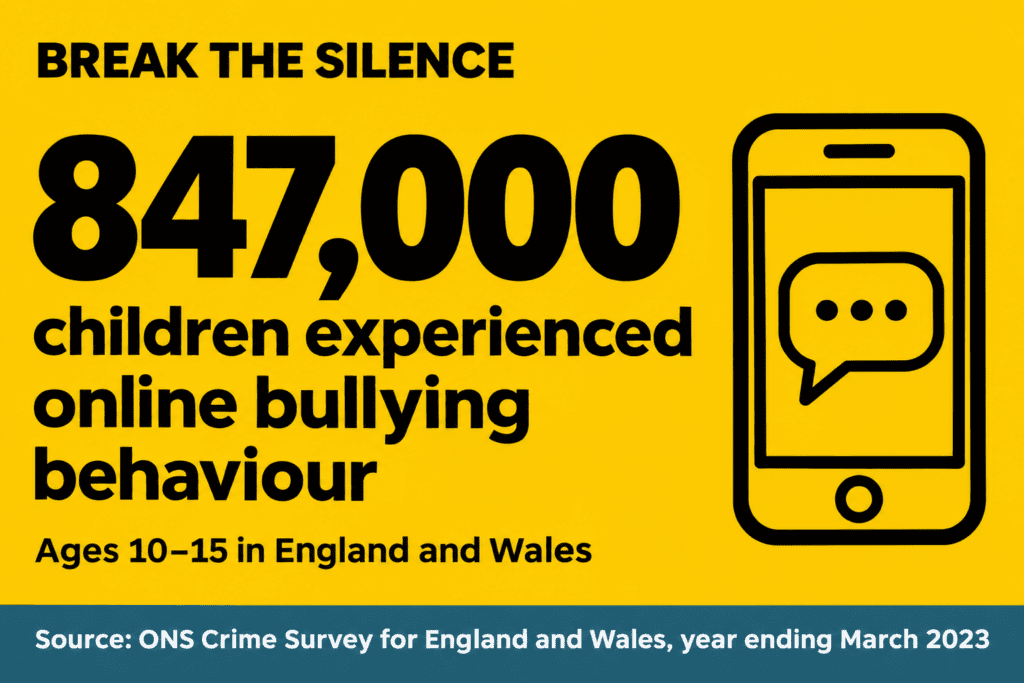
The Additional Burden of Racism and Discrimination
For Black and minoritised women and girls, bullying can intersect with racism, sexism, cultural prejudice and discrimination.
A girl may be mocked for her hair, skin colour, religion or traditional clothing. A woman may face stereotypes about her background or be made to feel that she does not belong.
These experiences can be particularly isolating when the people around her fail to recognise the prejudice involved.
Sometimes, those affected are told to ignore the comments, develop a thicker skin or avoid making a fuss. Such responses can reinforce the very silence that allows harmful behaviour to continue.
Nobody should have to minimise their identity to feel accepted.
Our differences in culture, language, appearance and experience should never become reasons for humiliation or exclusion. They are part of what makes our communities rich, diverse and valuable.
When Silence Becomes a Form of Protection
Speaking about bullying is not always straightforward.
Someone may fear that reporting an incident will make matters worse. They may worry about losing friendships, facing retaliation or being labelled difficult.
For women who have experienced domestic abuse, speaking up can carry additional emotional weight.
Bullying and domestic abuse are not the same, but behaviours such as intimidation, humiliation and deliberate isolation can also occur within abusive relationships.
A woman who has repeatedly been told that her opinions do not matter may find it difficult to trust that someone will listen. A girl who has been ridiculed for expressing her feelings may learn to keep them to herself.
Silence can become a way of avoiding further harm.
That is why breaking the silence must never mean pressuring someone to disclose an experience before they feel ready.
It means making sure that when they do choose to speak, there is someone willing to listen with patience, compassion and respect.
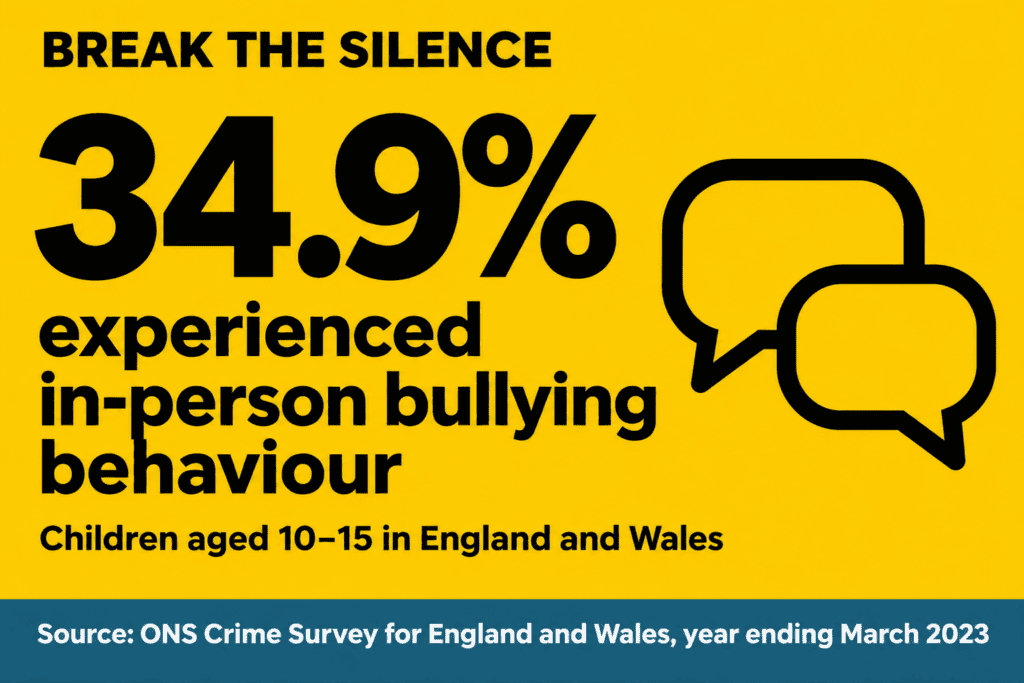
The Power of Being Believe d
There is something deeply reassuring about hearing the words, “I believe you.”
For someone who has spent months or years questioning their experiences, being taken seriously can make an enormous difference.
Support does not always begin with a formal complaint or a major intervention. Sometimes, it begins with a quiet conversation, a thoughtful question or a simple acknowledgement that what happened was wrong.
Friends, colleagues, teachers, employers and community members all have a part to play.
We can challenge discriminatory remarks rather than laugh along. We can notice when someone is repeatedly excluded. We can avoid sharing humiliating messages or images online.
And when someone tells us they are being bullied, we can listen without immediately questioning their account or telling them what they should have done differently.
Being heard does not solve everything. But it can help someone feel less alone and more able to consider their options.
Building Confidence Beyond Harm
The effects of bullying can continue long after the behaviour itself has stopped.
A person may carry the memory of cruel comments into new friendships, relationships or workplaces. They may hesitate to express an opinion, pursue an opportunity or trust others.
Rebuilding confidence takes time, and there is no single way to recover.
For some, it means reconnecting with supportive friends or family. For others, it involves counselling, joining a welcoming community group or rediscovering activities that bring joy and a sense of achievement.
At Anah Project, we recognise the importance of compassionate, culturally sensitive support for women and girls who have experienced abuse.
Every woman deserves the opportunity to re
build her confidence, make her own choices and imagine a future in which she feels safe and valued.
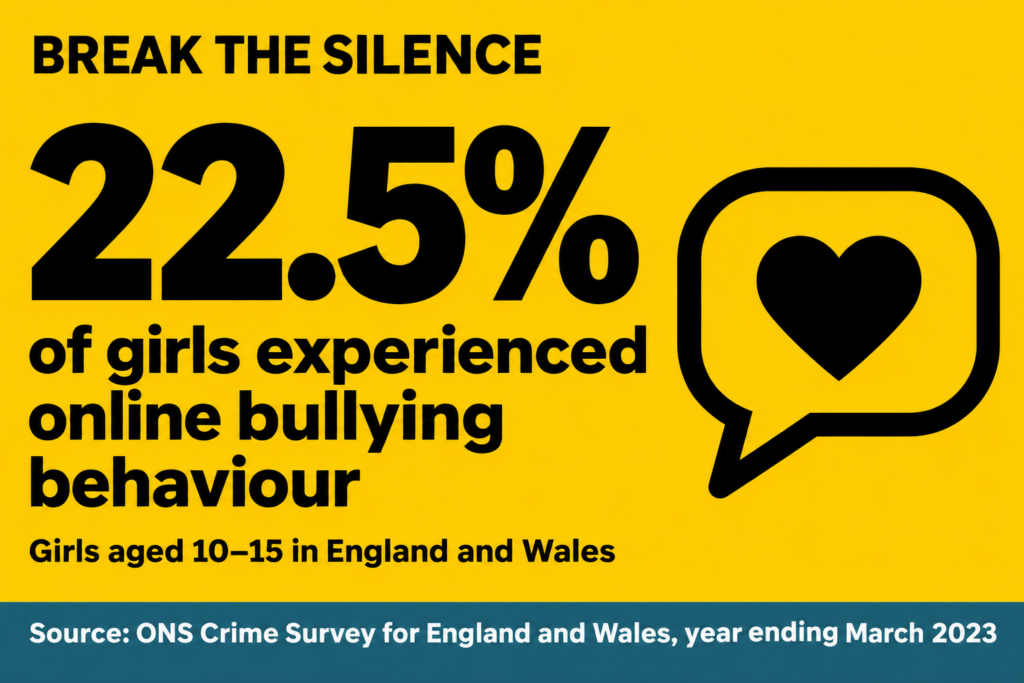 Breaking the Silence Is Everyone’s Responsibility
Anti-Bullying Week offers an opportunity to reflect not only on how we treat others, but also on what we allow to happen around us.
Do we challenge cruel remarks when we hear them? Do we make space for quieter voices? Do we recognise when someone is being deliberately excluded? Do we listen when a person tells us that something has hurt them?
Small actions can help create meaningful change.
A classroom where differences are respected, a workplace where concerns are taken seriously and a community where discrimination is challenged can all become places where people feel safer to be themselves.
Breaking the silence is not simply about encouraging people to speak.
It is about creating a world in which they no longer have to be afraid of being heard.
This Anti-Bullying Week, Anah Project stands for kindness, dignity and the right of every woman and girl to live free from intimidation, discrimination and abuse.
Because every voice deserves respect. Every experience deserves to be taken seriously. And nobody should have to face bullying alone.