Powerful Courage and Resilience Defying Injustice
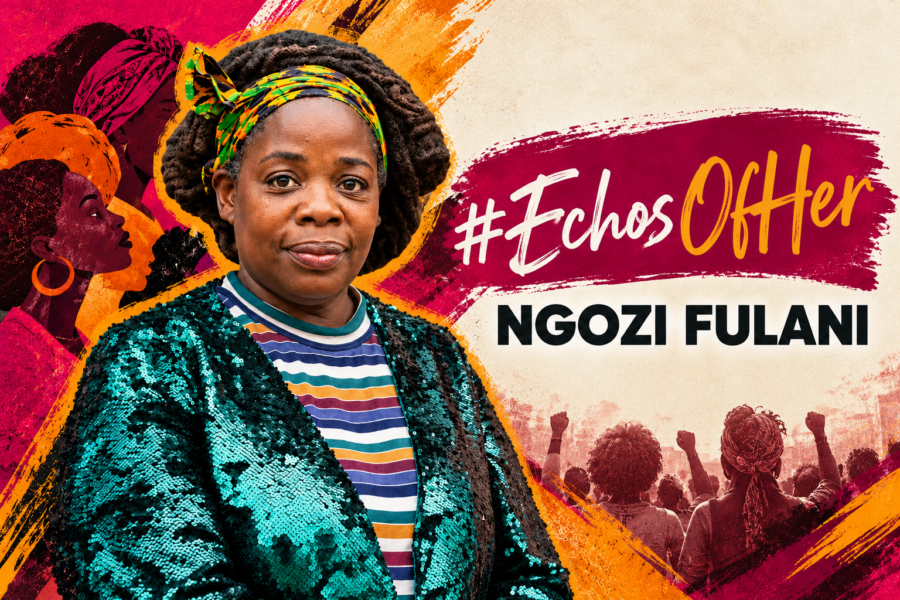
Creating a Space Where Black Women Are Heard
There are women who recognise what is missing and refuse to accept that it must remain that way.
For Ngozi Fulani, that meant recognising that Black women experiencing domestic and sexual abuse needed support that understood not only the abuse they were experiencing, but also the cultural, racial and social realities surrounding their lives.
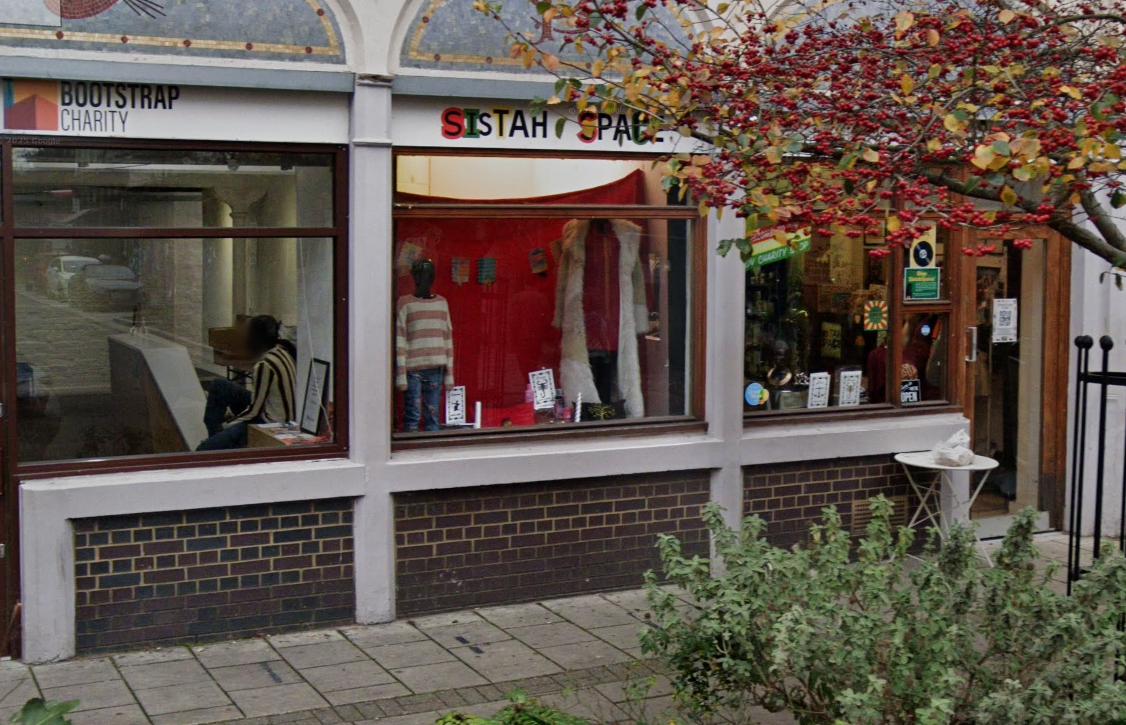
In 2015, she founded Sistah Space, a specialist organisation supporting women and girls of African and Caribbean heritage affected by domestic and sexual abuse. Its work grew from a belief that every woman seeking safety deserves to be understood as a whole person – her culture, her identity, her experiences and her voice included.
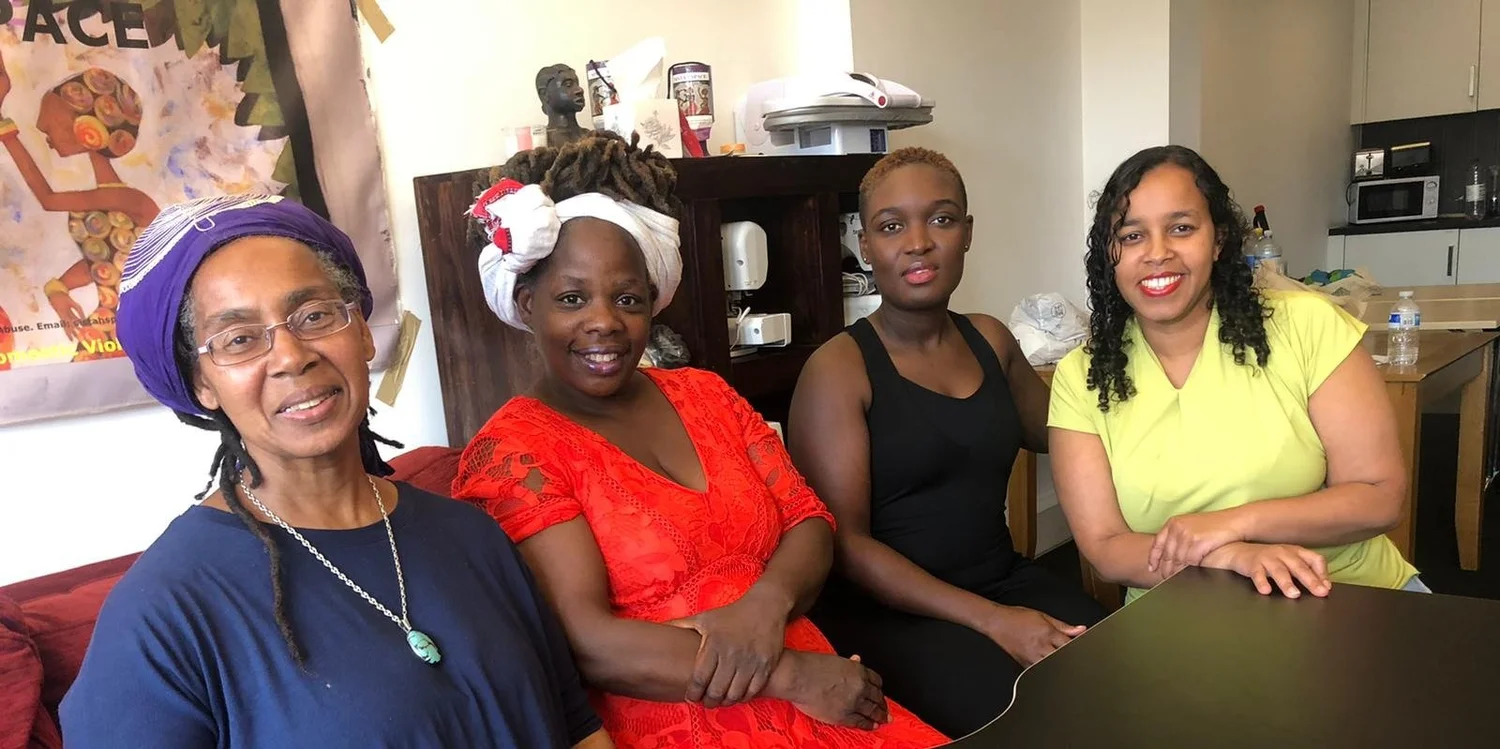
As part of our #EchosOfHer series, and during Black History Month, we celebrate Ngozi Fulani: a woman whose response to something missing within her community became a movement for recognition, understanding and change.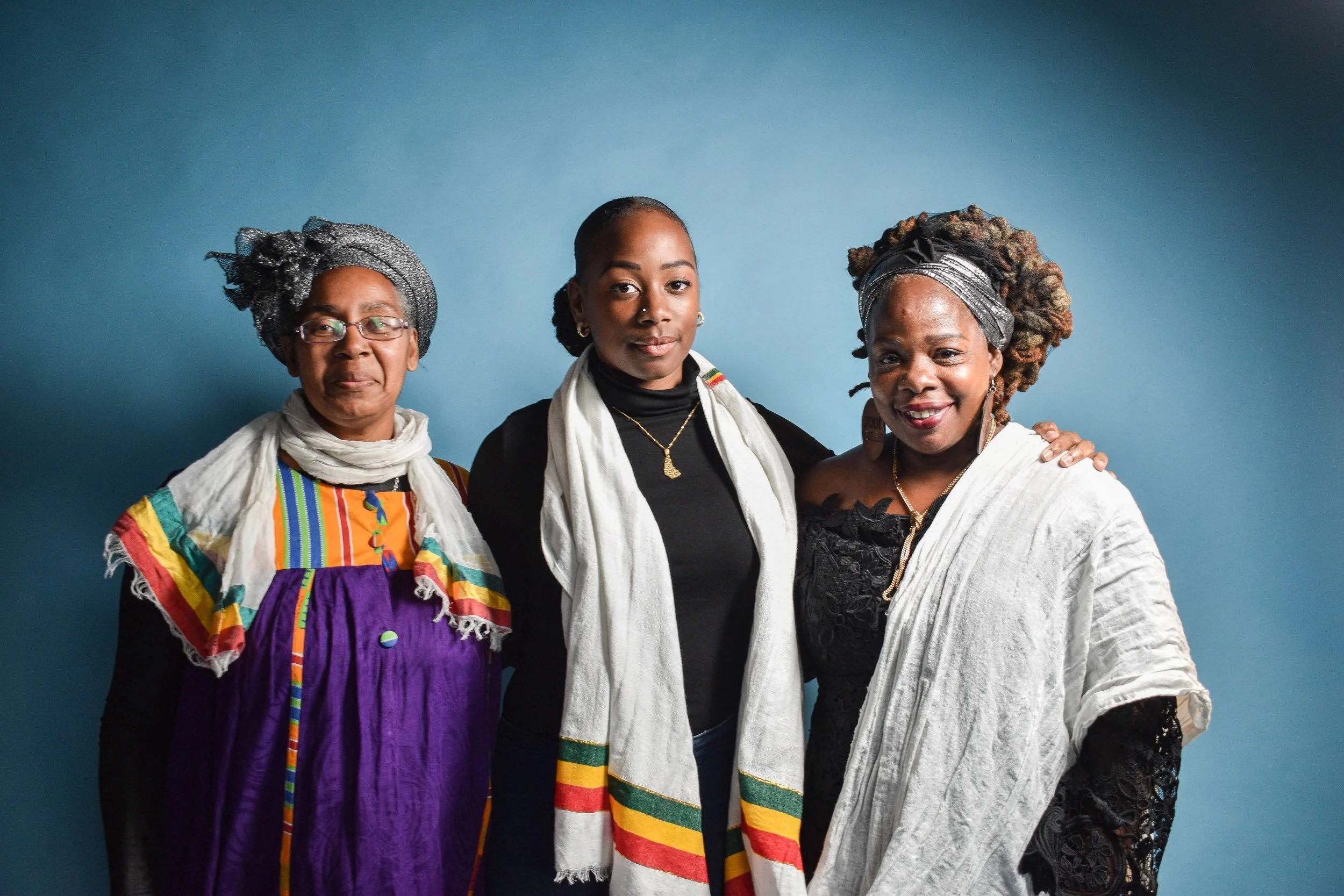
A Space Created for Black Women
Sistah Space was born following the deaths of Valerie Forde and her young daughter, who were murdered by Valerie’s former partner in 2014.
Six weeks before her death, Valerie had reported threats to the police. Sistah Space says those threats were recorded as threats to property rather than threats to life. Her story raised painful questions about whether Black women experiencing domestic abuse were always being heard, understood and adequately protected by the systems intended to support them.
For Ngozi, those questions demanded action.
Sistah Space was established the following year, creating a specialist service where women of African and Caribbean heritage could seek support from people who understood that domestic abuse does not exist separately from culture, racism, family, community or previous experiences with institutions.
 The Importance of Being Understood
One of the most powerful ideas behind Ngozi’s work is also one of the simplest: women should not have to leave parts of themselves behind when they ask for help.
Culturally specific support does not assume that every Black woman has the same experience. Instead, it recognises that different women may face different barriers to safety.
For some, there may be fears about how family or community will respond. For others, previous experiences of racism may affect their trust in statutory services. Immigration circumstances, financial dependence, language, faith and cultural expectations can also influence a woman’s experience of abuse and her ability to seek support.
Sistah Space provides specialist advocacy and practical assistance alongside emotional support. Its work has included counselling, support groups, emergency assistance and practical help for women and children rebuilding their lives after abuse.
Even apparently small details can matter.
Speaking about culturally appropriate services in an oral-history interview with Hackney Museum, Ngozi highlighted the importance of understanding aspects of Black women’s everyday lives that mainstream services may overlook, including appropriate hair and skincare.
Behind those details lies something much bigger: the feeling of walking into a space and not having to explain who you are before somebody can begin to understand what you need.
Turning One Woman’s Story Into a Call for Change
Ngozi’s work has not stopped with supporting individual women.
Through Sistah Space, she has also challenged the systems that respond to domestic abuse.
One of the organisation’s most significant campaigns is Valerie’s Law, named in memory of Valerie Forde. The campaign calls for mandatory cultural competency training for police and other agencies working with people affected by domestic abuse.
The proposed training addresses issues including unconscious bias, culturally specific language and communication, recognising injuries across different skin tones and understanding why experiences of institutional racism may affect a woman’s willingness to trust authorities.
A petition supporting Valerie’s Law received more than 100,000 signatures, taking the conversation into Parliament.
A tragedy that might have become another statistic instead became part of a continuing demand for change.
Listening to Black Women’s Voices
At the heart of Ngozi’s work is the principle that services designed for women should also be shaped by women’s experiences.
Sistah Space’s research has gathered the experiences of more than 2,200 Black women across England and Wales, using those voices to highlight gaps in support and advocate for greater investment in specialist services created by and for the communities they serve.
This matters because listening is about more than giving someone an opportunity to speak.
It means allowing what women tell us to influence what happens afterwards.
It means asking whether services designed to protect women actually feel accessible to all women. It means recognising when one approach does not meet everyone’s needs. And it means being willing to change systems when the experiences of the people using them tell us that something is not working.
 Her Echo
Black History Month is a time to honour extraordinary women whose courage has shaped history. Yet Black history is not only something we remember. It is being written today through remarkable acts of courage, resistance and hope.
It is written when a woman finds the strength to speak despite fear. It is written when another woman stands beside her, challenges injustice and fights for her right to safety. And it is written when communities refuse to accept systems that leave vulnerable women unheard.
Ngozi Fulani’s story is a powerful example of that change.
Through Sistah Space, she has helped create a vital place where Black women experiencing abuse can find safety, hope and understanding. Through Valerie’s Law, she has brought the urgent issue of cultural understanding in domestic abuse into national debate, challenging institutions to recognise why culturally informed support can be so important.
Her work carries a message that is also central to Anah Project: every woman’s story matters. Abuse can bring fear, isolation and pain, but being genuinely heard can offer something equally powerful – hope, dignity and strength.
That is her echo: the inspiring reminder that one courageous voice can challenge injustice, empower others and create lasting change.