The Legacy of Courage and Community Action
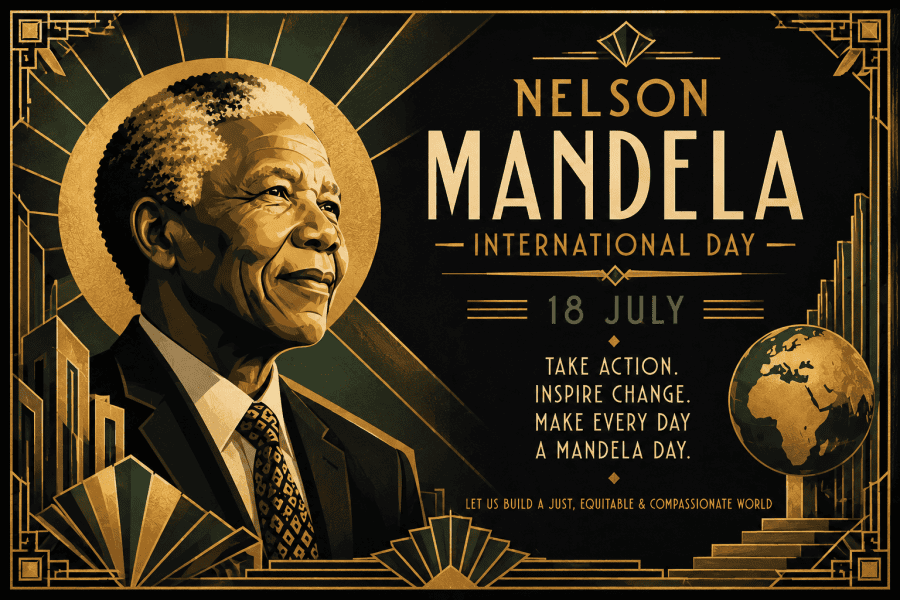
Why Mandela’s Legacy Remains Relevant
Every generation inherits certain names that come to represent more than the individual behind them. Nelson Mandela is one such figure. More than a decade after his death, he remains one of the most recognisable symbols of resistance to injustice, not simply because of what he achieved politically, but because of what his life demonstrated about human resilience, moral conviction and the possibility of change.
There is a tendency, however, to remember Mandela in broad and comfortable terms. He is often celebrated as a symbol of reconciliation, a statesman who helped unite a divided nation and a champion of peace whose message transcended borders. While all of this is true, such reflections can sometimes obscure the harder realities of his story. Mandela’s legacy was forged through sacrifice, endurance and an unwavering refusal to accept systems that denied people their dignity and humanity.
That legacy continues to hold significance because many of the issues he confronted have not disappeared. The forms may have changed, the language may have evolved, but questions of equality, discrimination, justice and human rights remain central to societies across the world.
The Continuing Challenge of Equality
The struggle against apartheid stands as one of the defining human rights battles of the twentieth century. It demonstrated that deeply entrenched systems of discrimination can be challenged and ultimately dismantled. Yet the end of one injustice does not guarantee the end of all injustice.
Across many societies, inequalities continue to shape people’s experiences and opportunities. Racism remains a reality for many individuals and communities, often manifesting in ways that are less visible than in previous generations but no less damaging. Disparities in education, employment, housing and access to services continue to affect countless lives.
For Black and minoritised women, these challenges can be particularly complex. Experiences of racial discrimination may intersect with gender inequality, economic disadvantage and cultural expectations, creating barriers that are not always immediately apparent. Discussions about equality therefore require more than broad statements of support; they demand a willingness to examine how different forms of disadvantage can overlap and reinforce one another.
The pursuit of equality is not simply a matter of correcting historical wrongs. It is about recognising the dignity and value of every individual in the present and ensuring that opportunities are not determined by race, gender, background or circumstance.
Courage Beyond Public Recognition
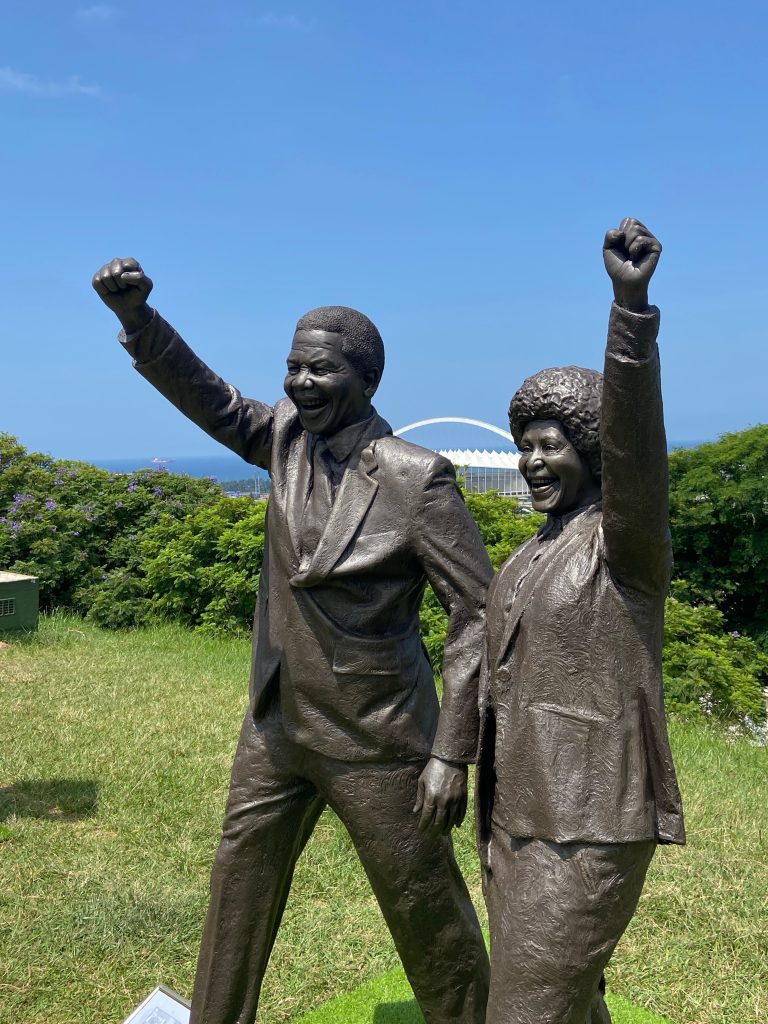
When society speaks of courage, it often focuses on extraordinary acts performed in extraordinary circumstances. Yet courage is not confined to history books or public life. More often, it appears in quieter and less visible ways.
For many women experiencing domestic abuse, honour-based abuse, forced marriage, trafficking or exploitation, courage may mean making a first phone call, confiding in a trusted friend or seeking support after years of silence. These decisions can carry enormous personal risk and uncertainty. They are rarely accompanied by public recognition, yet they require immense strength.
The stories that receive the most attention are often those that culminate in dramatic moments of change. Less visible are the countless acts of determination that occur beforehand: the decision to leave an unsafe situation, the effort required to rebuild confidence, the persistence needed to navigate legal systems, housing challenges or financial hardship.
Mandela’s life offers a reminder that courage is not the absence of fear but the willingness to act despite it. This lesson remains as relevant today as it was during his struggle against apartheid. Whether confronting racism, discrimination or violence, meaningful change often begins when individuals choose not to allow fear to dictate their future.
The Power of Community Action
While history frequently focuses on prominent leaders, lasting social change is rarely the work of individuals alone. Every movement for justice has depended upon communities, organisations and ordinary people who believed that change was both necessary and possible.
Community action continues to play a vital role in addressing contemporary challenges. Across the country, organisations provide support, advocacy and practical assistance to those facing discrimination, abuse and social exclusion. Their work may not always attract national attention, but its impact can be profound.
For women rebuilding their lives after abuse, access to support services can represent far more than practical assistance. It can provide reassurance, restore confidence and create opportunities for a future that once seemed impossible. The importance of these services extends beyond the individuals they support; they contribute to stronger, healthier and more inclusive communities.
The value of community action lies in its ability to translate principles into practice. Discussions about equality and human rights are important, but they acquire meaning when they are reflected in tangible actions that improve people’s lives.
Justice as a Shared Responsibility
One of the enduring lessons of Mandela’s life is that justice should never be regarded as a completed project. Progress achieved in one generation requires protection and renewal in the next. Rights that appear secure can be weakened if they are taken for granted, while new challenges continually emerge that demand attention and action.
This reality places a responsibility on all of us. The defence of human rights cannot rest solely with governments, institutions or campaigners. It depends upon the willingness of individuals to challenge prejudice, question discrimination and support those whose voices are too often ignored.
Such responsibilities are particularly important when considering violence against women. Despite increased awareness and significant progress in some areas, many women continue to experience abuse, coercion and exploitation. Addressing these issues requires more than legal protections alone. It requires cultural change, community engagement and a collective commitment to ensuring that every woman can live safely and with dignity.
The conversation about justice therefore extends beyond laws and policies. It concerns the values that shape how people are treated within families, workplaces, schools and communities.
Carrying the Legacy Forward
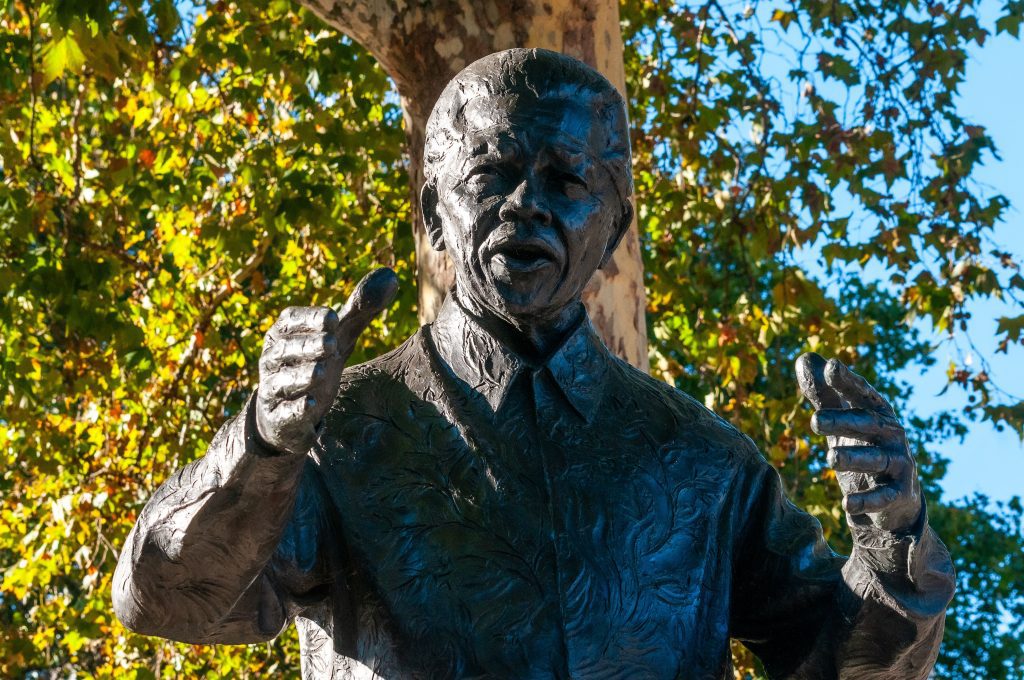
Mandela’s legacy is often discussed in terms of reconciliation, forgiveness and hope, and with good reason. These qualities helped shape one of the most remarkable political transitions in modern history. Yet perhaps his most enduring contribution was his belief that individuals possess the capacity to influence the world around them.
Few people will become political leaders or international symbols of change, but every person has opportunities to shape the character of their community. The decision to challenge prejudice, support someone facing injustice or speak out against harmful behaviour may appear small in isolation. History suggests otherwise. Lasting social progress is rarely the result of a single moment or individual; it is more often the accumulation of countless decisions made by ordinary people over time.
As societies continue to grapple with racism, discrimination and violence against women, Mandela’s example remains both inspiring and challenging. It reminds us that meaningful change is possible, but also that progress depends upon participation. Equality, dignity and human rights are not abstract ideals to be admired from a distance. They are principles that require active commitment and continual defence.
The true measure of Mandela’s legacy is not simply what he achieved during his lifetime. It is whether future generations are prepared to uphold those same principles and apply them to the challenges of their own time. In that sense, his story is not only a reflection on the past. It is an invitation to consider the kind of society we wish to build and the role each of us is willing to play in creating it.