The Long Road to Freedom: Why Juneteenth Still Matters Today

The Day Freedom Finally Arrived
Every year on 19 June, people across the United States mark Juneteenth — a day that commemorates the end of slavery in America. But Juneteenth is more than a historical anniversary. It is a reminder that freedom delayed is still injustice, and that the effects of oppression can echo across generations long after laws change.
For many Black communities, Juneteenth is both celebration and reflection. It honours resilience, culture, family, survival and joy, while also acknowledging the painful reality that freedom did not arrive equally, safely or immediately for everyone.
Why Juneteenth Matters
Juneteenth marks the moment in 1865 when enslaved African Americans in Galveston, Texas were finally informed that they were free — more than two years after the Emancipation Proclamation had officially abolished slavery in Confederate states. Even then, freedom came slowly, unevenly and often violently.
The delay itself tells an important story.
Freedom was written into law before many people were ever allowed to experience it. Information was withheld. Power was protected. Systems remained in place that continued to control Black lives through fear, poverty and discrimination.
For many, the end of slavery was not the end of suffering. It was the beginning of another fight — for safety, dignity, opportunity and recognition.
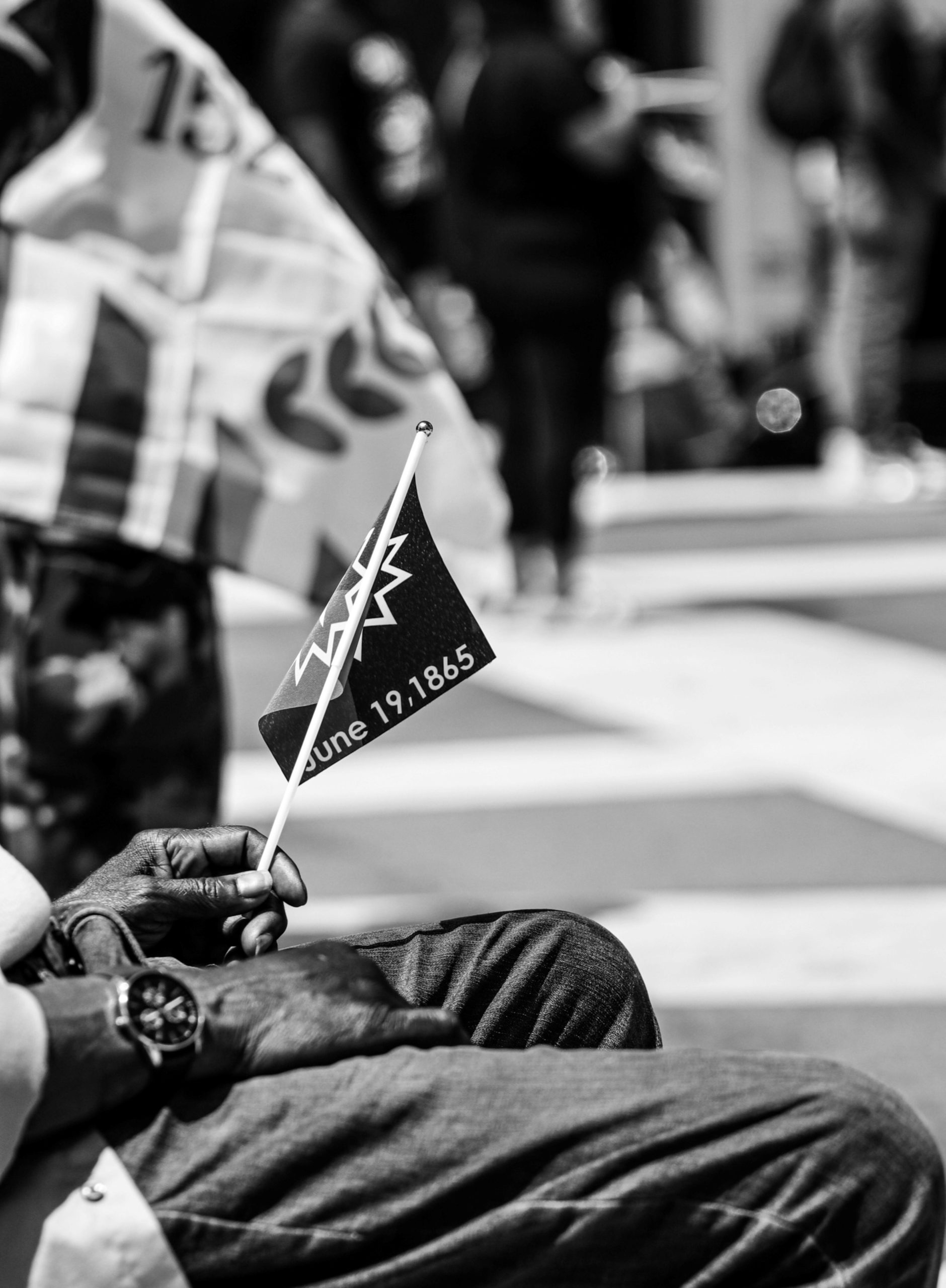 The Legacy Still Felt Today
That history still matters today.
Across many communities, Black and minoritised women continue to face barriers linked to race, gender, migration, economic inequality and abuse. Some experience isolation within systems that were not built to protect them. Others carry intergenerational trauma shaped by displacement, violence or silence passed down through families.
Juneteenth invites us not only to look back, but also to ask difficult questions about the present.
What does freedom truly mean if someone cannot live safely?
What does equality mean if support is inaccessible?
What happens when people survive injustice but are never given the space to heal?
Freedom Beyond Survival
These questions matter deeply when supporting women affected by domestic abuse, honour-based abuse, forced marriage, trafficking or coercive control. Freedom is not simply physical. It is emotional, financial, cultural and psychological too.
For many survivors, reclaiming freedom can begin quietly.
It may begin with being believed for the first time.
With opening a bank account independently.
With learning English.
With attending college despite resistance.
With sleeping peacefully.
With saying “no” safely.
With imagining a future that once felt impossible.
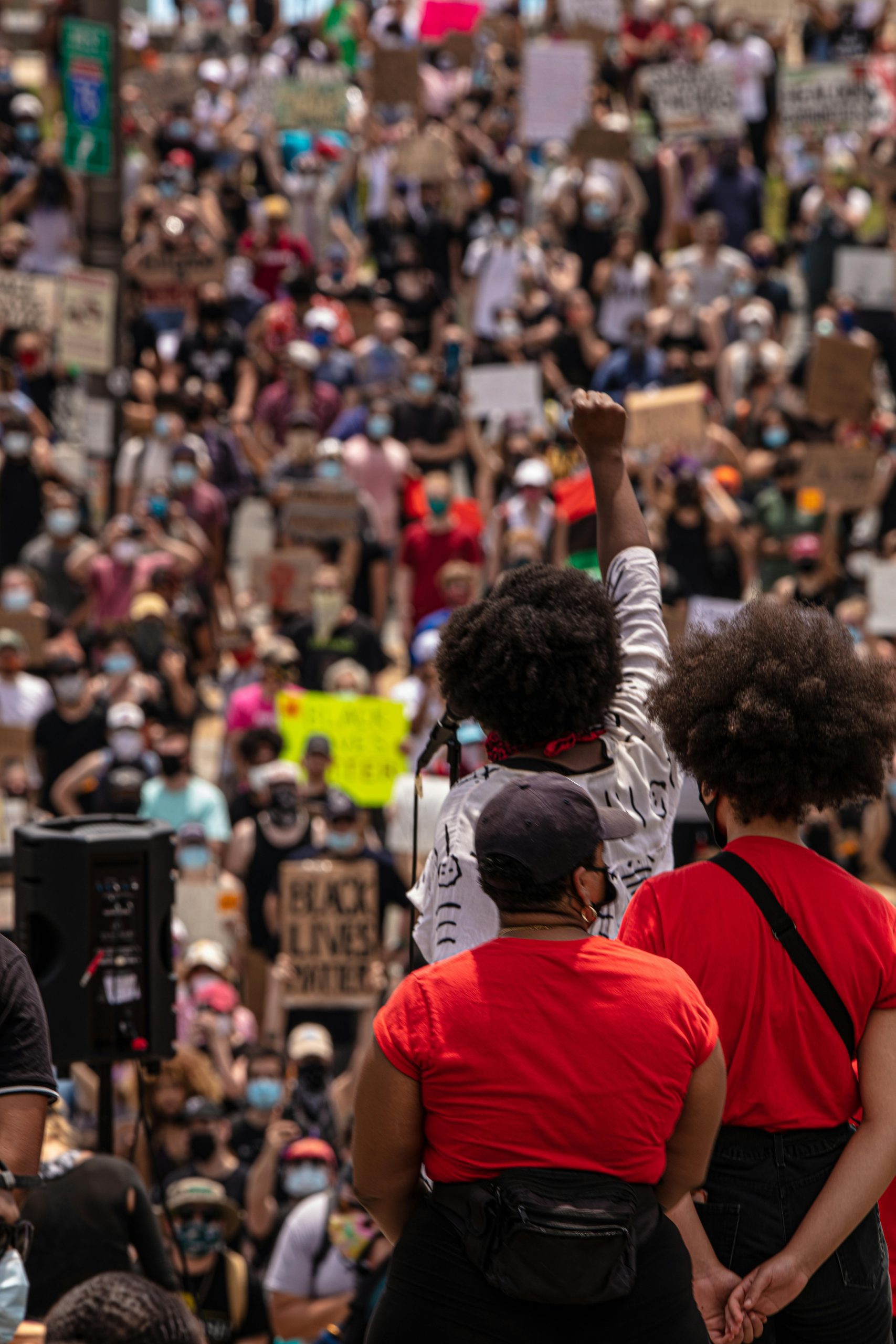 Joy as Resistance
Juneteenth also celebrates Black culture, creativity and community. Music, storytelling, food, faith and art have long been forms of resistance as well as survival. In the face of systems designed to erase identity, communities preserved memory through generations — through voices, traditions and shared strength.
That is why celebrations matter too.
Joy itself can be powerful.
Rest can be powerful.
Being visible can be powerful.
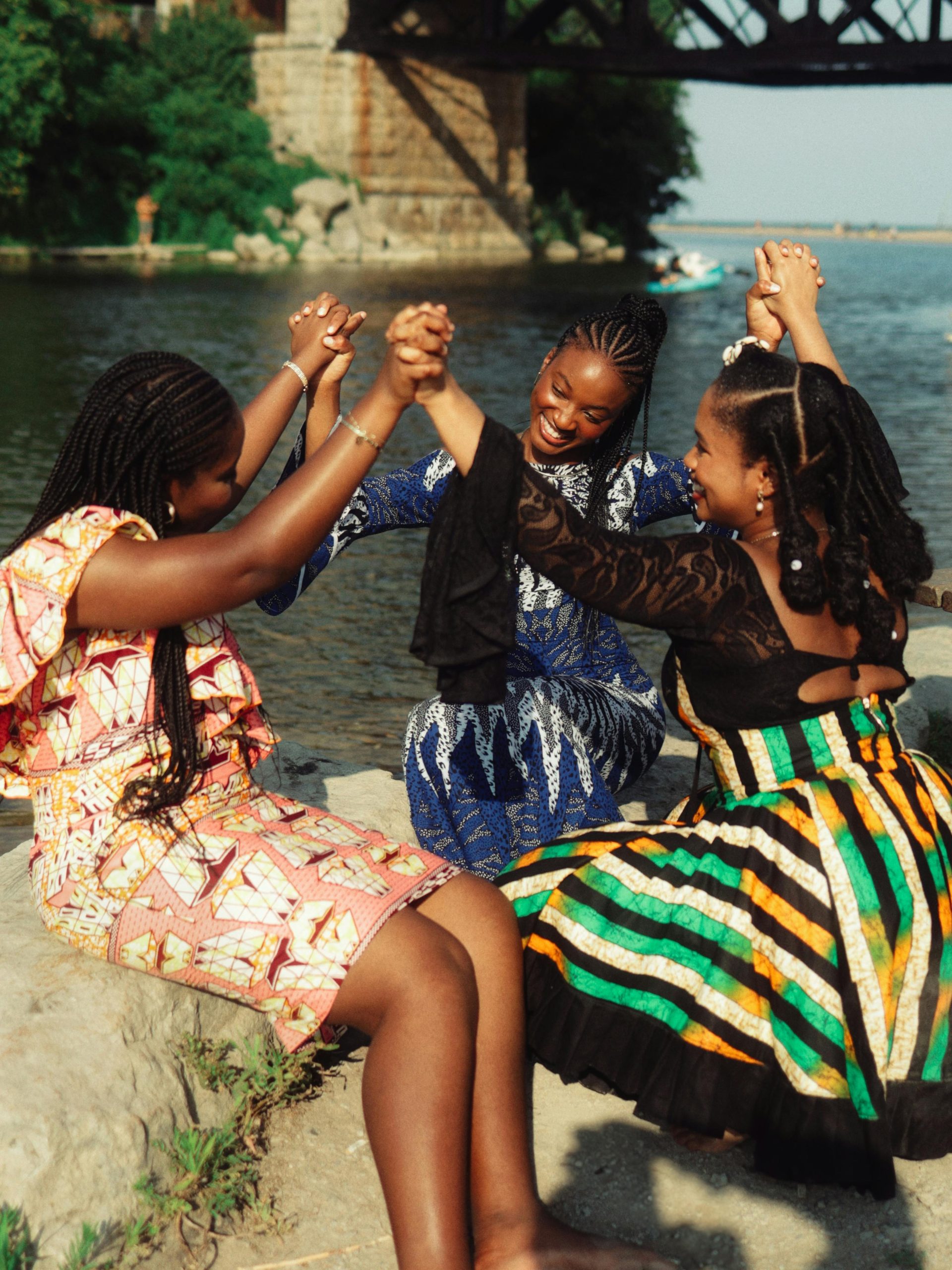
Across parks, homes and community spaces, Juneteenth is often marked with gatherings, music, poetry, education and shared meals. These moments honour not only the pain of history, but also the endurance of people who continued to build families, communities and futures despite unimaginable hardship.
A History That Reaches Beyond Borders
Juneteenth is not only American history. Its themes resonate far beyond borders.
The transatlantic slave trade shaped societies across the world, including Britain. Its legacies continue to influence conversations around racism, migration, inequality and belonging today. Understanding that history helps create more compassionate and informed communities — communities that recognise why representation, safety and justice still matter.
 Remembering, Reflecting and Moving Forward
Remembering history is important because silence can allow harm to repeat itself.
When stories are ignored, people become invisible.
When experiences are dismissed, inequalities deepen.
When communities are unheard, healing becomes harder.
Juneteenth reminds us that progress requires truth, remembrance and action. It reminds us that freedom should never depend on who is considered worthy of protection, dignity or humanity.
And perhaps most importantly, it reminds us that even after unimaginable hardship, people still found ways to hope, create, connect and rise.
That legacy deserves to be remembered.