Day of Action for Women’s Health
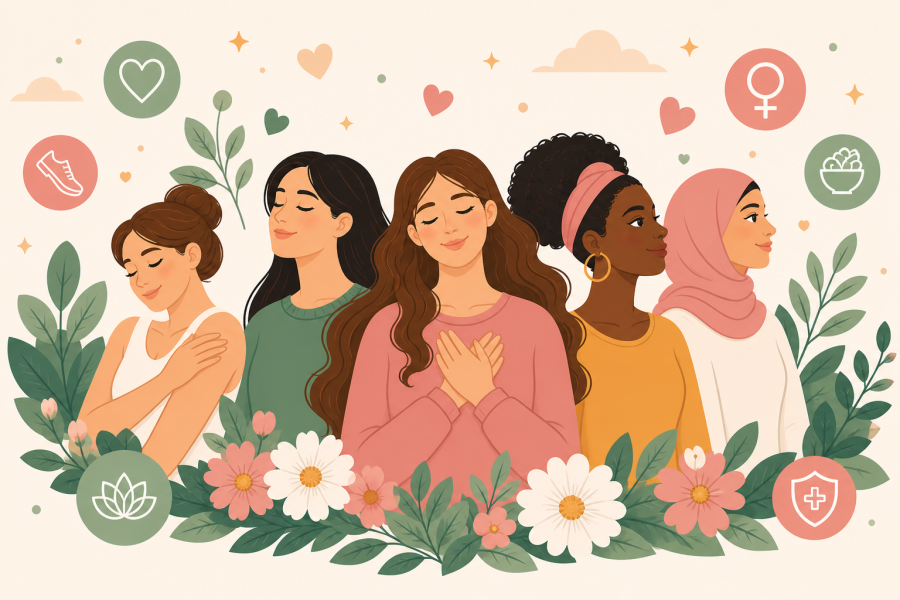
In Solidarity We Resist: Our Fight, Our Right
On 28 May, the International Day of Action for Women’s Health returns as a powerful moment of global connection, reflection, and resistance. In 2026, its message feels sharper than ever. Across continents, activists, grassroots organisations, and communities are not only raising awareness, but actively defending the fundamental right to bodily autonomy in the face of growing pressure and organised opposition.
This is not a distant or abstract issue. It is lived daily by women, girls, and gender-diverse people navigating systems that too often limit access to care, information, and choice. Sexual and reproductive health and rights (SRHR) remain essential, not optional. They sit at the centre of gender equality, social justice, and sustainable development, shaping the conditions in which individuals can live safely, make informed decisions, and move through the world with dignity.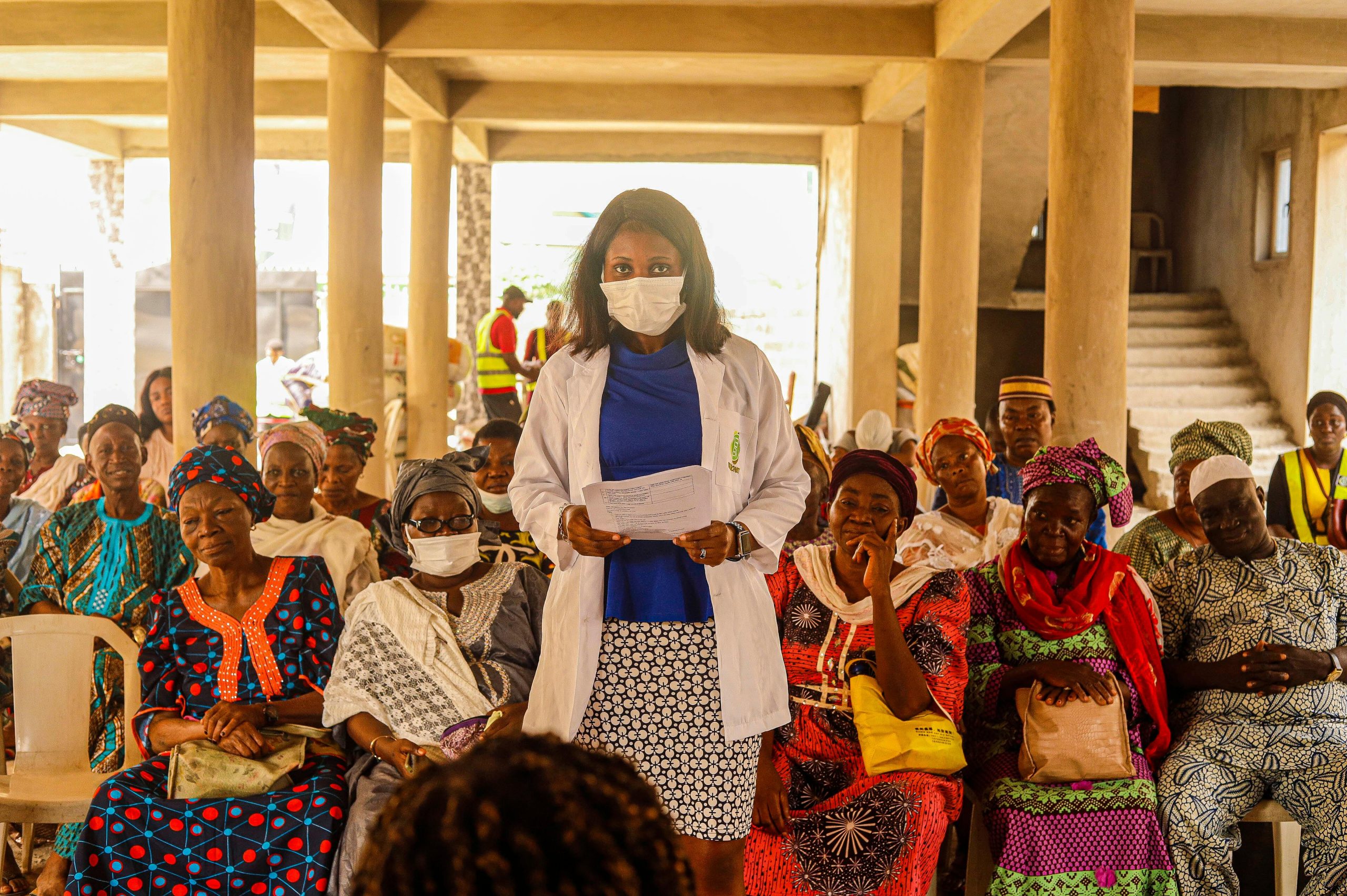
A Coordinated Backlash
The global landscape in 2026 reflects a concerning pattern. Efforts to restrict reproductive rights are increasingly coordinated, well-funded, and transnational in nature. They are driven by overlapping forces that include right-wing political movements, nationalist agendas, and forms of religious fundamentalism that seek to define morality through control rather than care.
These movements do not operate in isolation. They share strategies, language, and influence, working across borders to reshape policies, restrict access to services, and undermine public trust in evidence-based healthcare. Misinformation continues to play a central role, distorting conversations around reproductive health and weakening the ability of individuals to make informed decisions about their own bodies.
The consequences are tangible. Reduced access to safe services, increased stigma, and the erosion of rights that have taken decades to secure. What is being witnessed is not simply political change, but a deliberate attempt to roll back progress and silence those who advocate for equality and justice.
Why Solidarity Matters
In this context, solidarity is not a passive concept. It is an active, ongoing commitment to stand alongside those whose rights are under threat. It is about recognising that these challenges are interconnected, crossing national, cultural, and social boundaries.
For many women, particularly those from Black and minoritised communities, the impact is compounded. Barriers to healthcare are often shaped by systemic inequalities, discrimination, language barriers, and mistrust of institutions that have historically failed to provide safe and culturally competent care. When access is restricted further, it is these communities who are disproportionately affected.
Solidarity means listening to these experiences, centring them in conversations, and ensuring that responses are not one-size-fits-all but rooted in understanding and respect. It also means acknowledging that justice cannot exist in fragments. Reproductive rights are inseparable from broader struggles for safety, equality, and freedom from violence.
 Reclaiming Bodily Autonomy
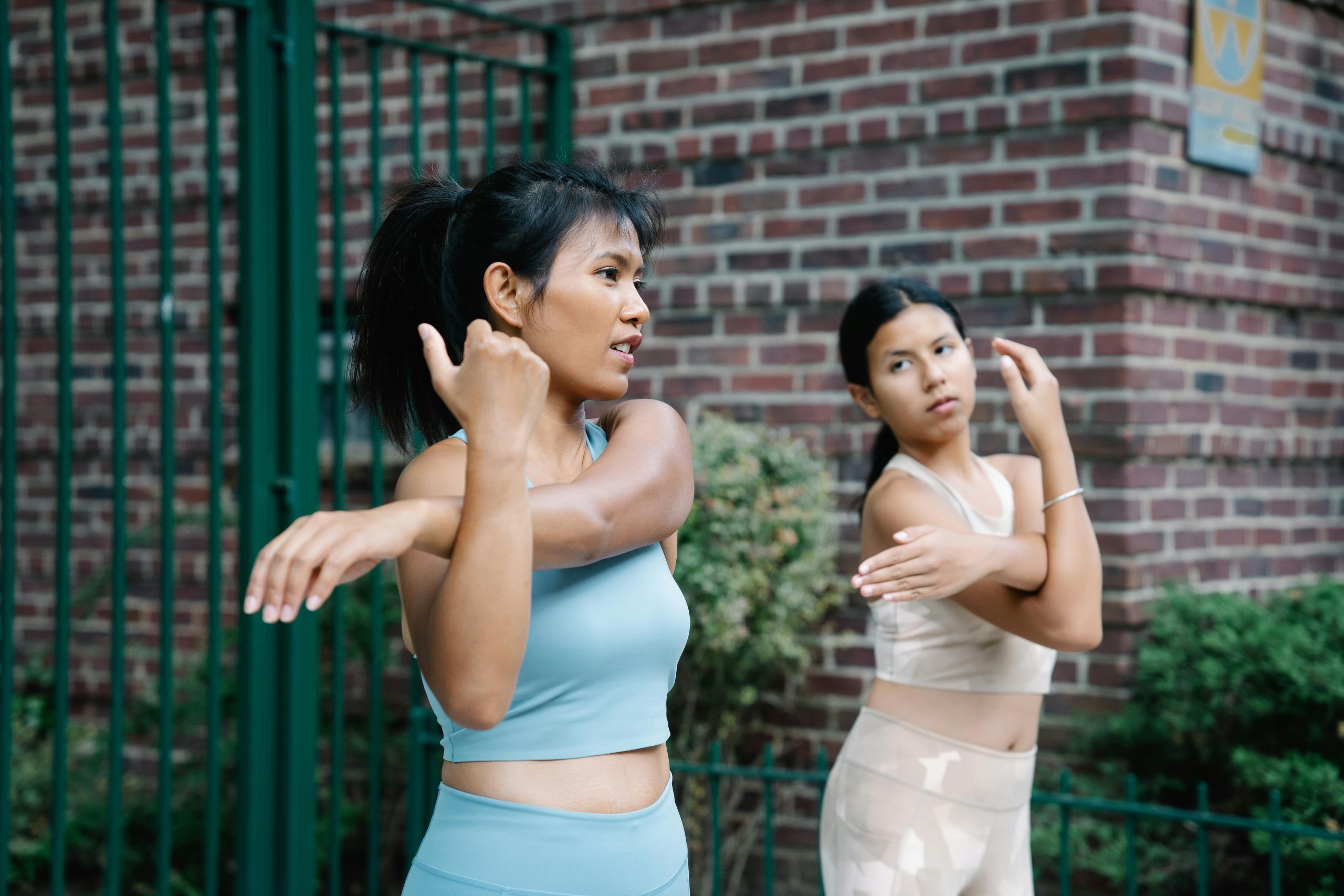
At the heart of this year’s theme is a clear and unwavering assertion: bodily autonomy is a right, not a privilege.
To reclaim this right is to challenge the systems and narratives that seek to control it. It is to affirm that every individual has the authority to make decisions about their own body, free from coercion, fear, or misinformation. This includes access to comprehensive sexual health education, safe reproductive healthcare, and support systems that uphold dignity and respect.
Reclaiming autonomy also requires confronting the ways in which silence is imposed. Conversations around reproductive health are still shaped by stigma in many communities, creating environments where individuals may feel unable to seek help or ask questions. Breaking this silence is an act of resistance in itself.
The Role of Governments and Institutions
Governments have a clear responsibility under international human rights frameworks to protect and advance SRHR. In 2026, this responsibility must move beyond statements and into meaningful action.
This includes ensuring accessible, affordable, and high-quality healthcare services, investing in education, and safeguarding the rights of those who are most at risk of exclusion. It also means resisting pressure from groups that seek to undermine these commitments and instead prioritising policies grounded in evidence, compassion, and equity.
When SRHR is not prioritised, the consequences ripple across societies. Health outcomes worsen, inequalities deepen, and opportunities for individuals to thrive are limited. Recognising SRHR as central to development is not only necessary, it is urgent.
 The Strength of Collective Action
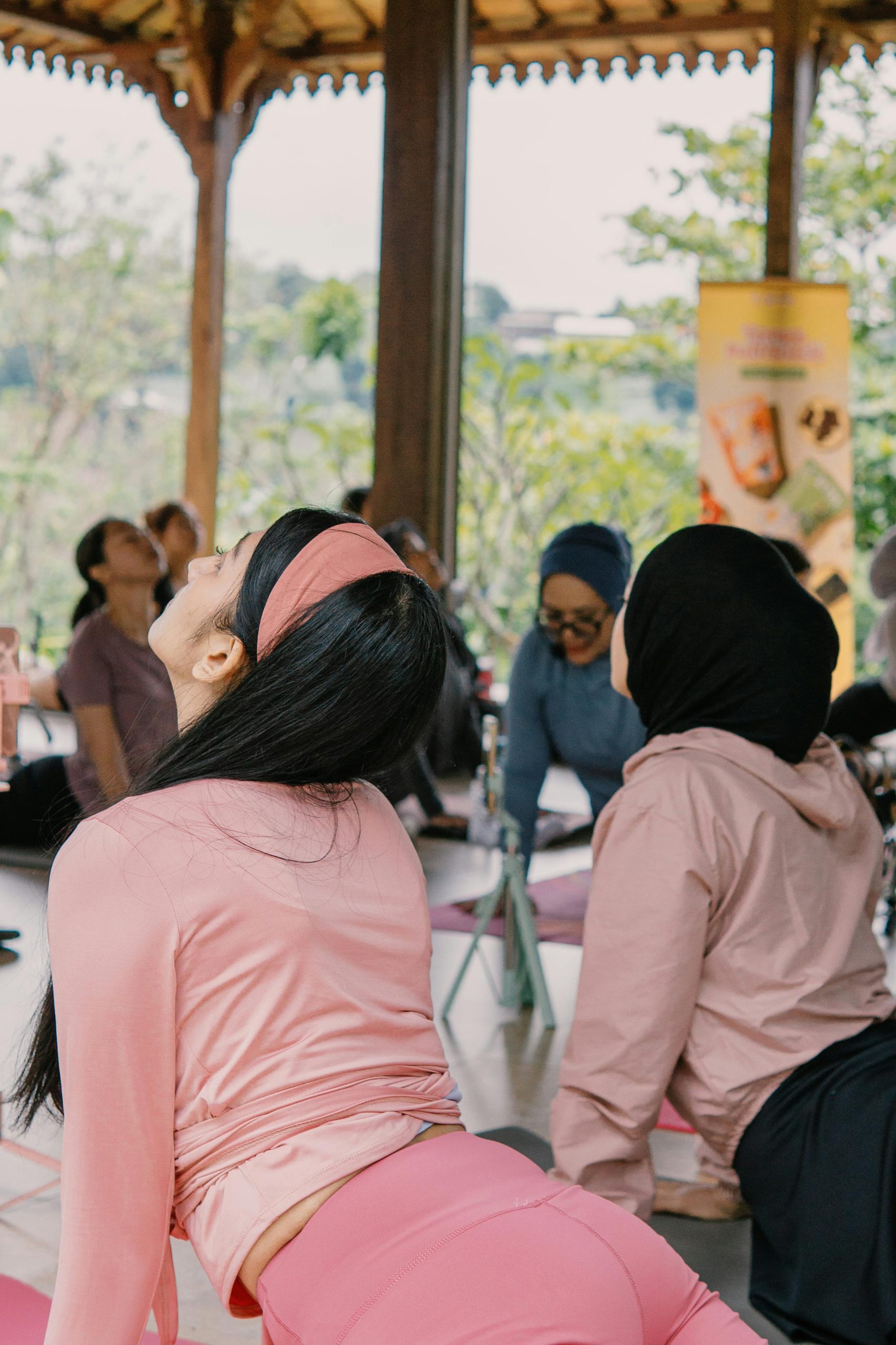
Despite the challenges, there is also strength. Across the world, individuals and organisations continue to organise, advocate, and support one another. From grassroots campaigns to international networks, the movement for reproductive justice remains active and resilient.
Collective action takes many forms. It can be seen in community-led initiatives that provide education and support, in advocacy efforts that challenge harmful policies, and in the everyday acts of speaking out and standing up for others. Each action, however small it may seem, contributes to a wider movement that refuses to be silenced.
This is where the power of the International Day of Action for Women’s Health truly lies. It is a reminder that no one is alone in this work. That across borders, languages, and experiences, there is a shared commitment to justice.
Moving Forward Together
The message of 2026 is not one of despair, but of determination. The challenges are real, but so is the collective strength of those working to overcome them.
At Anah Project, this day aligns closely with our ongoing commitment to supporting women, particularly those from Black and minoritised communities, who face multiple and intersecting barriers. Access to safe, informed, and respectful support is essential, and it must be protected.
This is a moment to reflect, but also to act. To question how systems can be improved, how voices can be amplified, and how support can be made more accessible to those who need it most.
What does solidarity look like in practice?
How can we ensure that access to care is not shaped by inequality?
What role can each of us play in protecting the rights that so many have fought to secure?
These are not simple questions, but they are necessary ones.
On 28 May 2026, the call is clear.
In solidarity, we resist.
In unity, we continue the fight.