Africa Day: Past Legacies, Present Realities
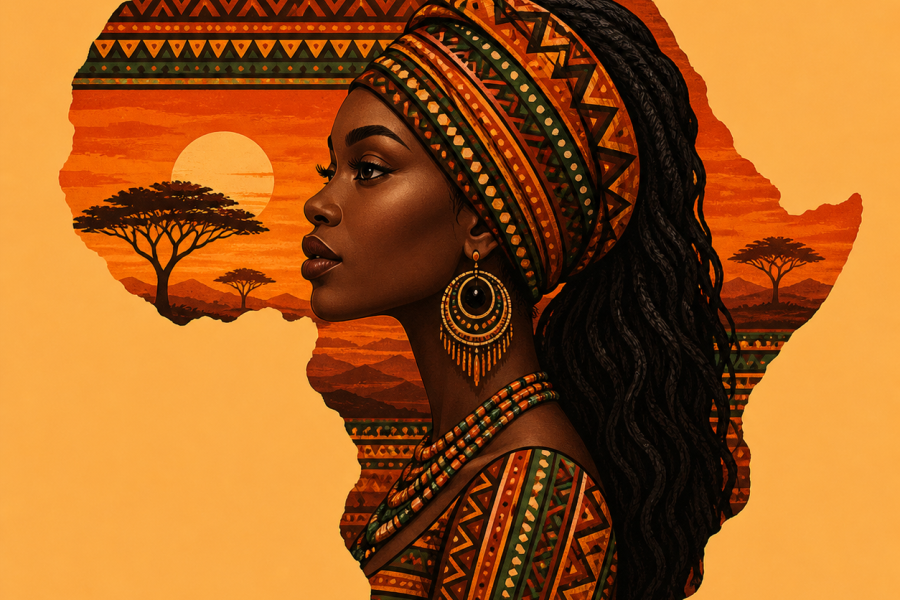
Africa Day marks the founding of the Organisation of African Unity in 1963, now known as the African Union. It is a moment that commemorates collective efforts towards political solidarity, self-determination, and liberation from colonial rule across the African continent.
However, Africa Day is not solely a historical marker. It also provides an opportunity to engage critically with how histories of colonialism, displacement, and structural inequality continue to shape present-day experiences — particularly for women of African descent, both on the continent and across the diaspora.
These historical continuities are not abstract. They are embedded in social structures, economic realities, and lived experience.
Gender, Power and Structural Inequality
Across different contexts, women of African descent encounter intersecting systems of inequality shaped by race, gender, and, in many cases, migration status. These dynamics influence access to resources, representation, and safety.
For Black women, both within African contexts and in diaspora communities, experiences of marginalisation are often compounded. Structural inequalities may manifest through limited access to services, economic disparities, or barriers to being heard and believed within institutional systems.
At the same time, these realities exist alongside significant contributions that are frequently under-recognised — in communities, in activism, and in sustaining social and familial structures.
Understanding these intersections is essential to developing responses that are both informed and effective.

Diaspora, Identity, and Belonging
The African diaspora is not a singular or uniform experience. It encompasses a wide range of histories, identities, and cultural expressions shaped by migration, displacement, and global interconnectedness.
For many women, navigating diasporic identity involves negotiating multiple cultural frameworks simultaneously. This may include balancing inherited cultural values with the expectations of the societies in which they live.
Such navigation can create both opportunities for connection and points of tension, particularly where identity, belonging, and social acceptance are concerned.
Recognising the diversity within diaspora experiences is critical to avoiding oversimplified narratives.
Cultural Heritage and Representation
Cultural heritage plays a central role in shaping identity and continuity. It is expressed through language, tradition, art, and collective memory. For women of African descent, cultural heritage can serve as a source of resilience and affirmation, particularly in contexts where representation has historically been limited or distorted.
At the same time, questions of representation remain significant. Narratives about African women have often been shaped by external perspectives, which can obscure the complexity and diversity of lived experiences.
Creating space for self-representation — where women articulate their own narratives, priorities, and identities — is essential to addressing these imbalances.
Violence, Silence and Access to Support
Discussions of Africa Day must also acknowledge the realities of gender-based violence and the barriers that can exist in accessing support. These barriers may be influenced by stigma, cultural expectations, or systemic limitations within services.
For women of African descent, both within the continent and in diaspora communities, experiences of violence are often underreported and insufficiently addressed. This can be compounded by concerns around trust, cultural understanding, and fear of repercussions within communities.
Addressing these issues requires approaches that are both culturally informed and survivor-centred, recognising the specific contexts in which women are living.
Towards Equity and Recognition
Africa Day provides an opportunity not only for recognition, but for reflection on what equity requires in practice. This includes acknowledging historical and structural factors, addressing ongoing inequalities, and ensuring that responses are informed by lived experience.
At Anah Project, we recognise the importance of creating spaces where women of African descent feel seen, heard, and supported. This involves not only responding to immediate needs, but also contributing to broader conversations around identity, safety, and justice.
Continuing the Conversation
Africa Day is often framed as a celebration of unity and heritage. While these elements remain important, it is equally necessary to engage with the complexities that shape contemporary experiences.
A more complete understanding requires attention to both historical context and present realities, as well as a commitment to amplifying voices that have not always been centred.
In doing so, Africa Day becomes not only a moment of commemoration, but a space for ongoing reflection, dialogue, and meaningful change.