#Echos of Her: Mama Africa Women’s Museum
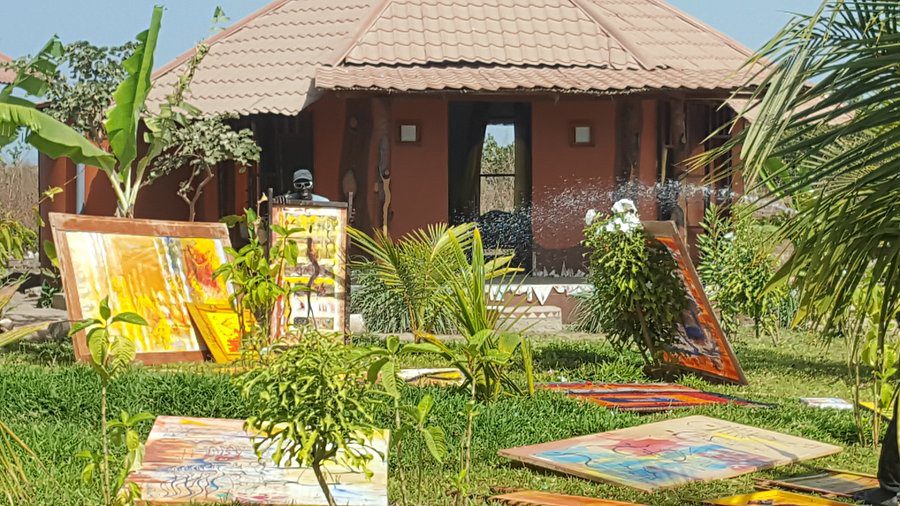
Where Women’s Stories Are Held, Not Lost
In many places, history is preserved through monuments, institutions, and national archives. Yet not all stories are held with the same care. The lives of women — their labour, creativity, knowledge, and resilience — are often present, but not always centred.
In Gambia, the Mama Africa Women’s Museum and Art Centre offers a different approach. It is a space where women’s histories are not treated as secondary, but as essential to understanding culture, identity, and continuity.
Founded by Gambian artist Isha Fofana, the centre was created with a clear purpose: to ensure that the experiences of African women are preserved, recognised, and passed forward.
Everyday Life as Cultural Memory
What is striking about this space is not only what it contains, but how it tells its story.
The collections include textiles, tools, jewellery, cooking utensils, and personal objects — items that might once have been considered ordinary. Yet within this context, they are recognised as part of a much larger narrative.
These objects speak to the rhythms of daily life: work, care, creativity, survival. They reflect how women have shaped and sustained communities, often without formal recognition.
Rather than focusing on distant or abstract histories, the museum centres lived experience. It acknowledges that culture is not only created through major events, but through everyday acts that are repeated, adapted, and carried across generations.
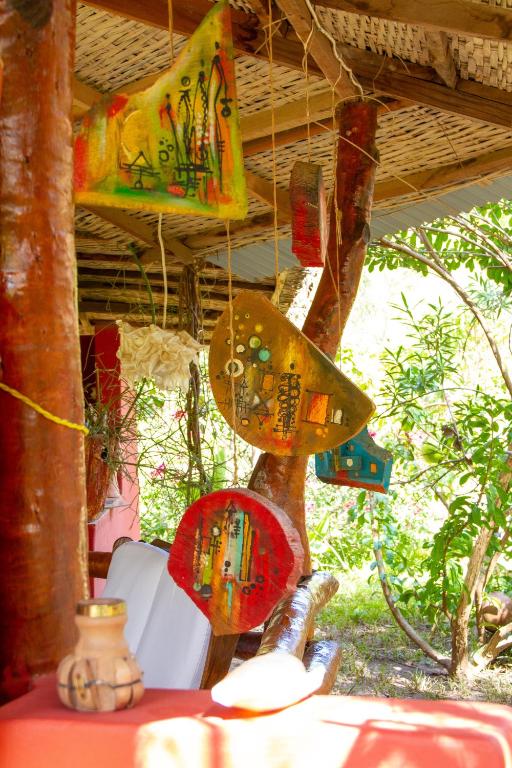
Art, Skill, and Economic Possibility
The centre is not only a place of preservation. It is also a place of learning and participation.
Through workshops in painting, batik, pottery, and other traditional crafts, young women are able to develop practical skills that can provide a source of income.
This connection between culture and economic independence is significant. It recognises that heritage is not static, but something that can be lived, developed, and used to create opportunity.
In this way, the space moves beyond representation. It becomes a site where women’s creativity is both valued and supported in tangible ways.
Reclaiming Narrative and Representation
Historically, narratives about African women have often been shaped by external perspectives. These narratives can simplify, distort, or overlook the diversity of women’s experiences.
Spaces such as Mama Africa challenge this by creating room for self-representation.
Here, women’s stories are not filtered through distance or assumption. They are presented through objects, practices, and voices that come from within the community itself. This shift is subtle, but powerful. It allows for a more accurate and nuanced understanding of identity and experience.
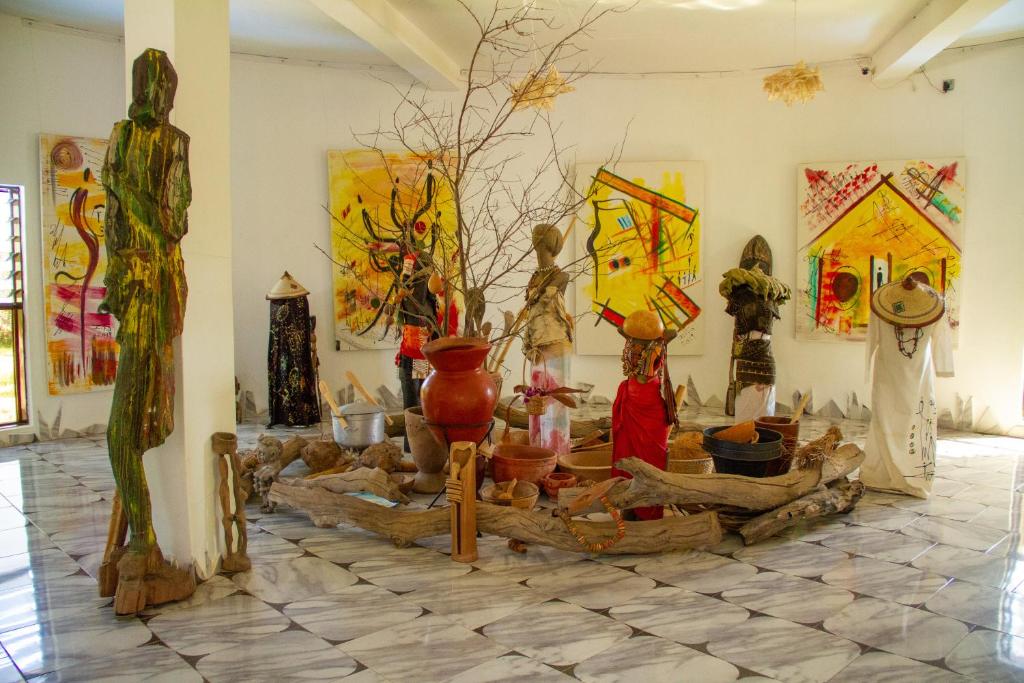
A Living Space, Not a Static One
The museum extends beyond its walls. Its gardens, exhibitions, and cultural events create an environment where history is not fixed, but continuously engaged with.
Storytelling, art, and shared experiences become part of an ongoing dialogue. The past is not only remembered — it is interacted with, questioned, and reinterpreted.
This makes the space feel alive.
Why Spaces Like This Matter
For many women, particularly those whose histories have not always been prioritised, visibility matters. Recognition matters. Having a space where experiences are acknowledged and preserved matters.
At Anah Project, we understand how important it is for women to see their realities reflected — not simplified, not overlooked, but held with care and complexity.
The Mama Africa Women’s Museum and Art Centre reminds us that history is not only about what is recorded in official narratives. It is also about what is carried, created, and remembered in quieter ways.
Continuing the Echo
#EchoesOfHer is about recognising the spaces that hold women’s stories — sometimes visibly, sometimes quietly — and ensuring they are not lost.
In places like this, those stories are not only preserved. They are given room to breathe, to evolve, and to be passed forward.
And in that process, something important happens.
What was once overlooked begins to be seen.