#EchosOfHer – Beijing Museum

The China National Museum of Women and Children, Beijing
In every society, there are stories that are carefully preserved and stories that fade quietly into the background. Through #EchoesOfHer, we continue to explore the spaces that gather women’s histories and refuse to let them disappear. In Beijing, the China National Museum of Women and Children stands as one such space — a national institution dedicated not to emperors or battles, but to the lived experiences of women and children across centuries of Chinese history.
Established in 2009, the museum was the first of its kind at national level in China. Its very existence signals a shift in perspective: that the domestic sphere, childhood, caregiving, craft, labour and education are not peripheral themes in history, but central to understanding how societies function and evolve.
Reframing the Narrative
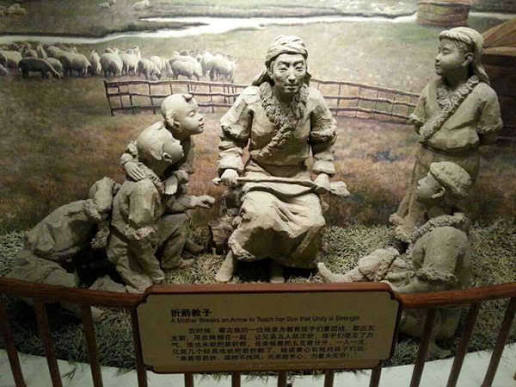
National museums often tell stories of political transformation and state formation. This museum, by contrast, centres everyday life. Its galleries trace the changing roles of women across dynasties and modern eras, examining how expectations around marriage, motherhood, education and public participation have been shaped by shifting cultural and political forces.
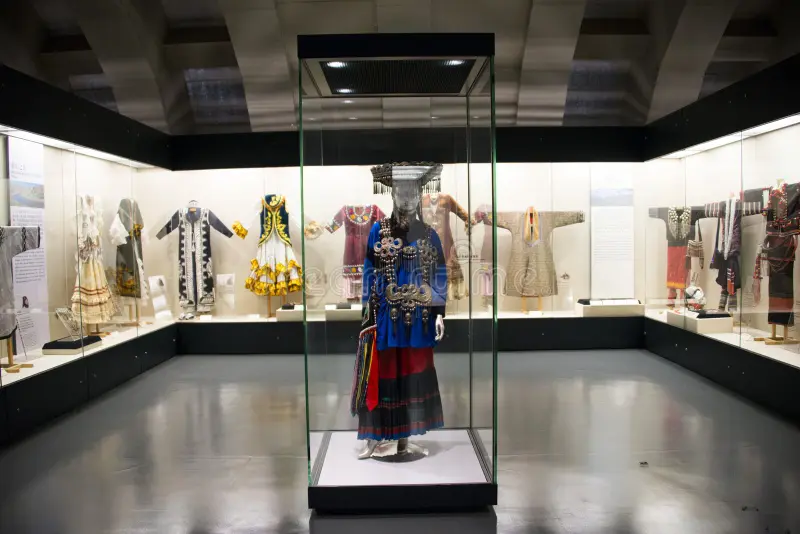
Objects on display — textiles, garments, personal belongings, tools, artworks and archival materials — may appear modest at first glance. Yet together they form a layered narrative about identity and resilience. Clothing becomes more than fabric; it reflects social position, tradition and transformation. Educational materials reveal the gradual opening of opportunity. Household objects speak quietly of labour that has sustained families for generations.
The museum does not simply celebrate progress; it documents complexity. Women’s status has never been static. It has been negotiated, contested and redefined over time.
 Childhood as Cultural Memory
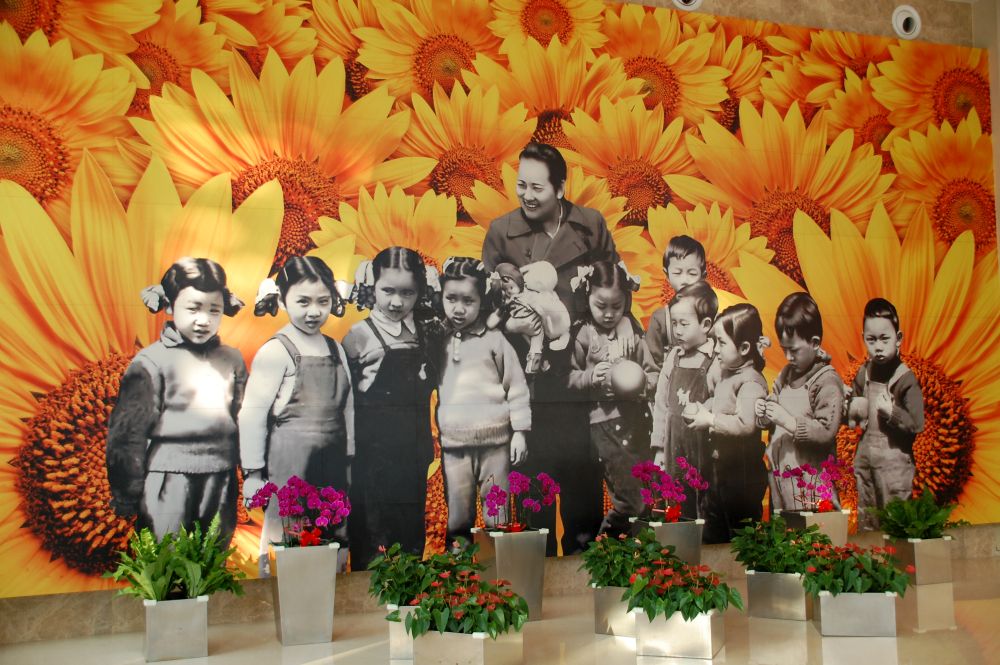
Alongside women’s history, the museum devotes significant attention to childhood — to toys, school life, family rituals and the ways societies define care and responsibility. In doing so, it highlights how gender expectations often begin early, shaped by custom and reinforced through family and community structures.
This focus on childhood resonates deeply with safeguarding work. The environments in which children grow up — the messages they receive about respect, equality and autonomy — influence how future relationships are formed. Preserving the history of childhood is therefore also about understanding how social norms are passed down and, at times, challenged.
Why This Matters to Anah Project
At Anah Project, we work with women whose lives are shaped by cultural expectations, family pressures and experiences of domestic abuse. While the contexts may differ geographically, the underlying themes — identity, belonging, honour, autonomy — often intersect.
Museums such as the China National Museum of Women and Children remind us that culture is neither fixed nor singular. It evolves. Practices once unquestioned can be re-examined. Roles once narrowly defined can expand. Heritage is not weakened by reflection; it is strengthened by it.
For many survivors of domestic abuse, silence is imposed as protection of family reputation or tradition. Yet when women’s stories are documented and displayed publicly, the message shifts: lived experience has value. It deserves recognition.
The act of archiving women’s lives — whether in Beijing or within local community organisations — becomes an act of dignity.

A Living Conversation
What makes this museum particularly powerful is not only its historical scope but its insistence that women’s experiences are integral to national identity. It acknowledges that social progress cannot be understood without examining how women and children have navigated change.
Through #EchoesOfHer, we reflect on how institutions around the world are contributing to this broader conversation about memory and visibility. The China National Museum of Women and Children offers a reminder that heritage is not solely about monumental architecture or grand events; it is also about preserving the textures of daily life and the courage woven quietly through generations.
In recognising these stories, we are invited to consider our own communities. Whose histories are we recording? Whose experiences are we still learning to hear?
Heritage, at its most meaningful, ensures that the echoes of women’s lives are not lost — but carried forward with respect.