Spring Festival Carrying a Whole Story
A celebration that began in the fields
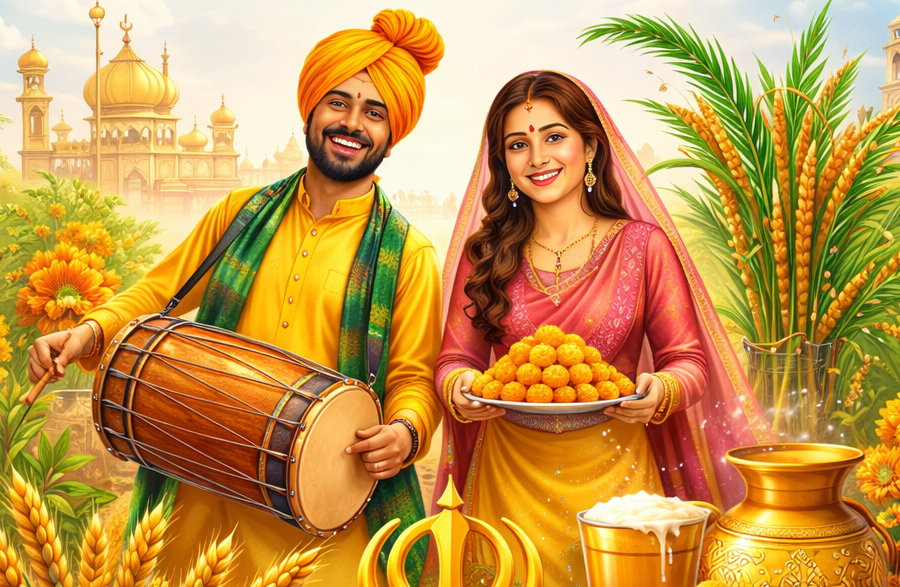
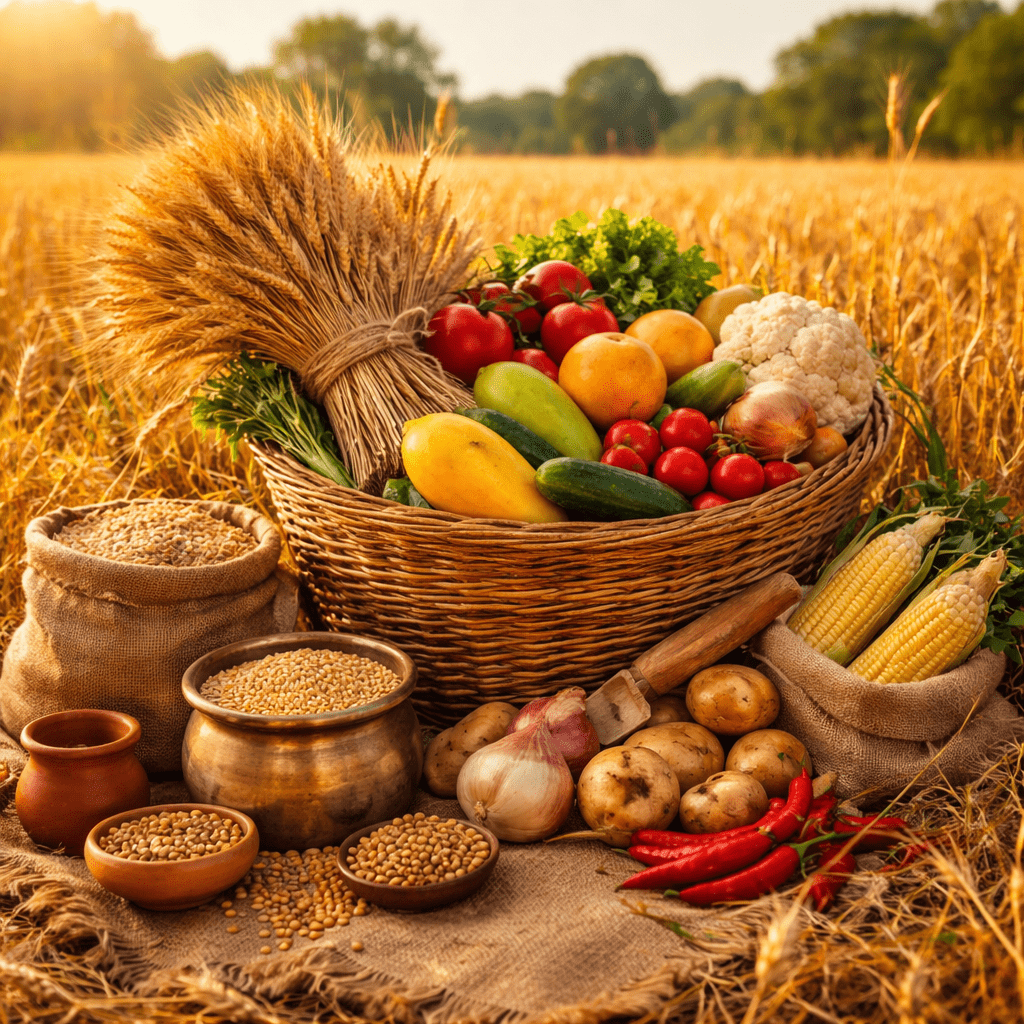
Vaisakhi (also spelled Baisakhi) began its life long before Sikhism, as a spring harvest festival in the Punjab region, when communities marked the turning of the agricultural year with gratitude, gatherings, and the simple relief that comes when the crops are in. Even now, that original spirit still clings to the day: the sense of renewal, the energy of new beginnings, and the feeling that something in the world has shifted from waiting to growth.
Because Vaisakhi sits in mid-April, it arrives just as spring is finding its confidence. It is a festival that feels outward-facing by nature — a day made for community, for colour, for food shared openly, for music that travels beyond walls.
The moment in 1699 that changed Sikh history
For Sikhs, Vaisakhi is much more than seasonal celebration. It carries the memory of a defining moment in 1699, when Guru Gobind Singh, the tenth Sikh Guru, used the occasion to shape the future of the Sikh faith in a way that still echoes today.
The story is told with a kind of breath-holding intensity: a large gathering, a call that demanded courage, and five volunteers who stepped forward when asked to demonstrate complete commitment. These five became known as the Panj Piare — “the Five Beloved Ones” — and their willingness to stand up publicly is remembered as the beginning of the Khalsa, the collective Sikh community committed to equality, discipline, service, and moral courage.
What makes this moment especially striking is that it is not only remembered as a spiritual milestone, but as a social one too. The Panj Piare are often described as coming from different backgrounds, and that detail matters, because it speaks to an idea that runs through Sikh teaching: that dignity is not reserved for the powerful or the privileged, and that community should not be built on hierarchy.
What Vaisakhi looks like today
If you experience Vaisakhi through Sikh community life, one of the first things you notice is that it is both celebratory and purposeful. There is joy, of course — music, colour, gathering — but there is also a clear sense of values being practised in real time.
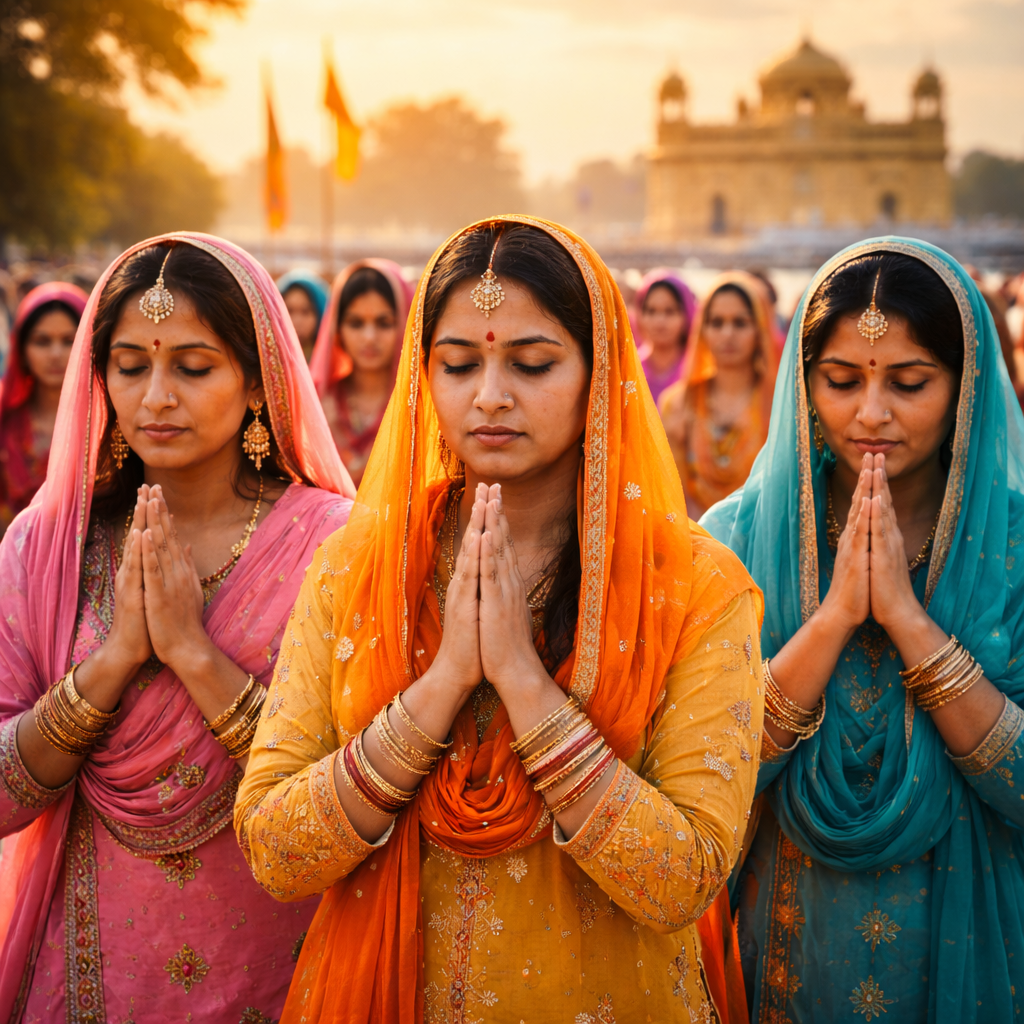
Many people mark the day by visiting the gurdwara for prayers, reflection and devotional singing, and the story of the Khalsa is often revisited as something living rather than distant. For some, Vaisakhi is also the moment they choose to be baptised into the Khalsa, which gives the day an added layer of personal meaning: it becomes not only a festival, but a decision.
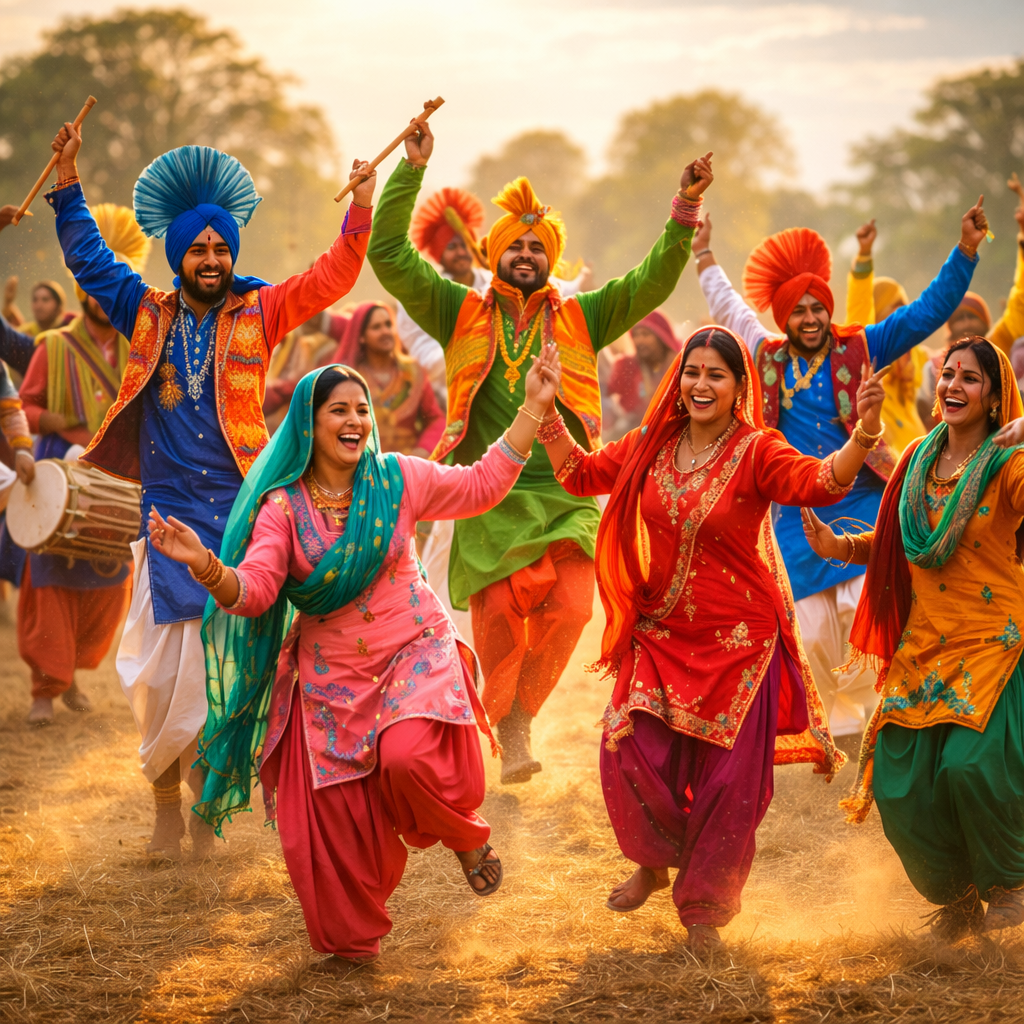
And then there is the part of Vaisakhi that tends to stay with people, even if they are seeing it for the first time: the openness. Public processions, community parades, and the generosity of shared food turn the celebration into something visible and welcoming. It is hard to watch a community celebrate its faith and culture so confidently without feeling that you are being invited to understand rather than simply observe.
 A shared day, held in different ways
Vaisakhi is also significant for many Hindu communities, because it aligns with the solar new year and is often marked with charity, social visiting, and ritual bathing. This matters, because it reminds us that festivals do not always fit into neat boxes. A single date can carry different meanings, shaped by history, belief, region and tradition.
Rather than being confusing, that shared timing can be a gift. It allows a classroom, a workplace, or a neighbourhood to see how communities can honour the same day in distinct ways — not competing for ownership, but showing the richness of cultural life.
Why Vaisakhi is a powerful day to learn from
Vaisakhi is a celebration, but it also tells us something about what communities value when they come together.
It speaks about courage, not as something dramatic and distant, but as something ordinary people can choose. It speaks about belonging, not as a closed circle, but as a responsibility to care for one another. It speaks about equality, not as a slogan, but as a lived practice — visible in who is welcomed, who is fed, and who is treated with respect.
For Anah Project, these themes matter because our work is rooted in dignity and safety, and in the belief that community can be protective rather than controlling. Many women know what it feels like when power is misused, when belonging comes with conditions, or when identity is questioned and reduced. Vaisakhi offers a very different picture: a story in which faith and culture are not used to shrink people, but to strengthen values like service, responsibility, and care.
 A gentle way to mark Vaisakhi
You do not need to share a faith to share respect. Vaisakhi can be marked simply by learning, listening, and showing up with warmth.
If there are Sikh or Hindu voices in your community who are happy to share what the day means to them, make space for that. If you are unfamiliar with the festival, treat it as an invitation rather than a test — ask thoughtful questions, notice the symbolism, and pay attention to what is being celebrated beneath the colour and music.
Because Vaisakhi is not only a date in the calendar. It is a reminder that history can live inside a festival, that joy can carry meaning, and that community — at its best — can be a place where dignity is practised openly.
Call to action
Today, choose curiosity over assumption, and understanding over distance. Read, listen, ask, and share what you learn. Celebrate cultural diversity in a way that feels real: by making space for people’s stories, honouring the values behind the festival, and carrying that spirit of respect into how we treat one another every day.