Self-Injury/Harm Awareness Day
Understanding the pain behind the behaviour
Self-Injury/Harm Awareness Day is a time to bring gentle attention to something that is often hidden in silence — the ways people cope with overwhelming emotional pain by hurting their own bodies. It is not easy to talk about. For many, it carries deep shame, fear of judgement or worry that they won’t be understood.
At Anah Project, we know that behind self-harm there is always a story and a reason. And most importantly, there is always a person who deserves compassion, dignity and support.
Self-harm is not about “attention seeking’, but about trying to survive feelings that feel unbearable.
What do we mean by self-harm?
Self-harm refers to any intentional act of hurting one’s own body as a way of coping with emotional distress. It can include cutting, burning, hitting, scratching, hair pulling, interfering with wound healing, or misusing medication. Sometimes it is visible. Often, it is hidden.
For many women, especially those from Black and minoritised communities, self-harm can be deeply tied to experiences of trauma, control, cultural expectations, abuse, or isolation. It can be a way of:
- Releasing intense emotional pain
- Feeling something when feeling numb
- Regaining a sense of control
- Punishing oneself due to guilt or shame
- Expressing distress when words feel impossible
Self-harm is rarely about wanting to die. It is more often about wanting the pain to stop, even for a moment.
The hidden pressures many women carry
Women who access specialist support services often describe layers of pressure that others may not see.
Some are living with the impact of domestic abuse, sexual violence, or honour-based abuse. Some are navigating expectations around family roles, marriage, or reputation. Others are managing racism, migration stress, poverty, or long-term mental health challenges without adequate support.
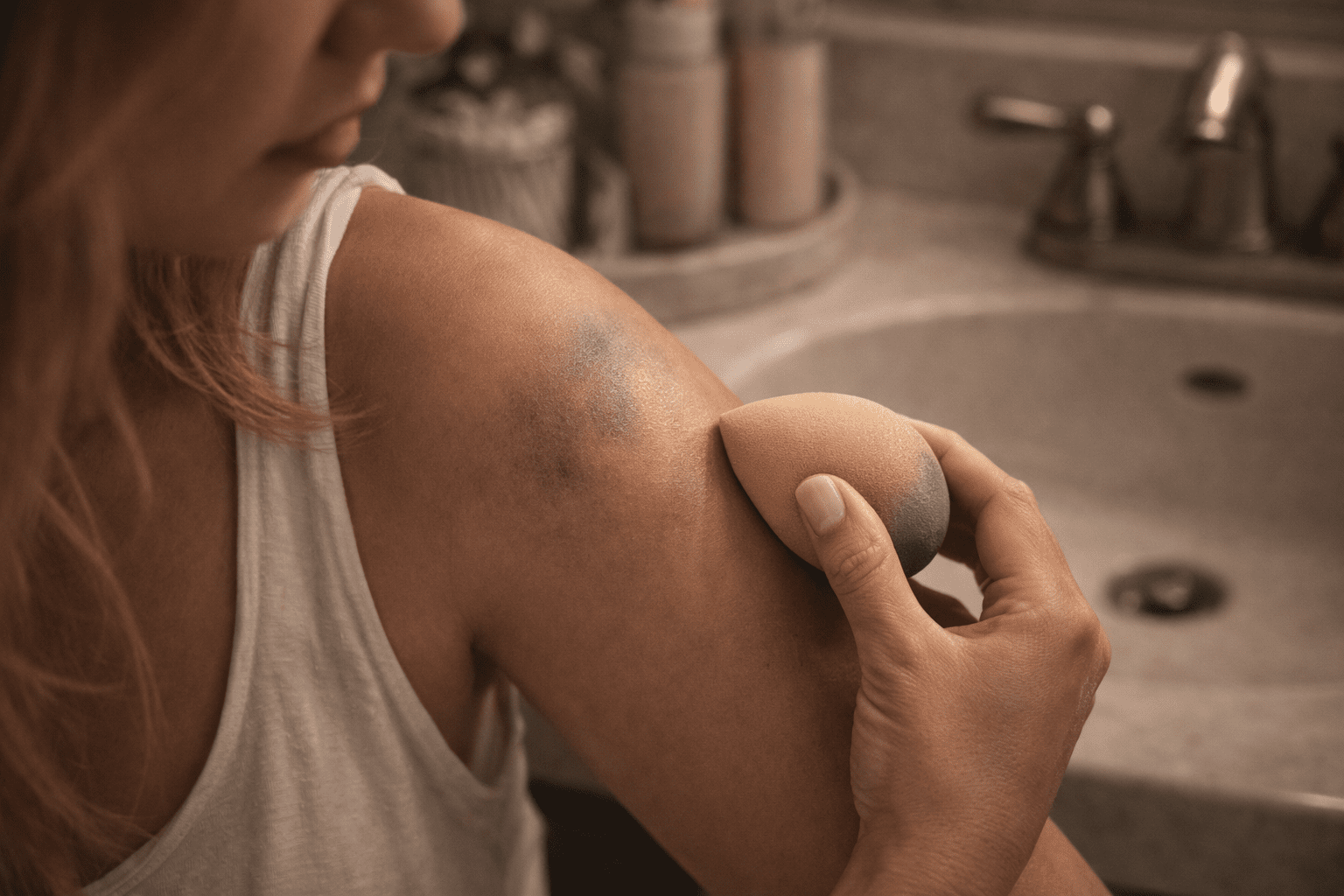
When someone feels they cannot speak openly — because they fear bringing shame to their family, being judged by their community, or not being believed — distress can turn inward.
Self-harm can become a secret language of pain.
We might ask ourselves:
- Who feels safe enough to say “I am not coping”?
- Who has learned to stay silent to protect others?
- Who has been told their feelings are not important?
Shame makes suffering heavier
One of the biggest barriers to seeking help for self-harm is shame.
Shame says:
“You should be stronger.”
“Other people have it worse.”
“You’re bringing disgrace.”
For women facing cultural stigma, these messages can be even louder. Mental health struggles may be misunderstood, minimised, or seen as weakness. This can make self-harm feel like the only private outlet for emotions that feel unacceptable to share.
But pain does not become smaller when it is hidden. It often grows.
Awareness days like this matter because they gently challenge the silence. They say: You are not strange. You are not broken. You are responding to pain. And support exists.
How support can make a difference
Recovery from self-harm does not happen through judgement or punishment. It happens through safety, understanding, and connection.
Support might involve:
- Having space to talk about experiences of abuse or control
- Learning safer ways to cope with overwhelming feelings
- Understanding emotional triggers
- Rebuilding a sense of self-worth and identity
- Connecting with others who have had similar experiences
For some women, culturally sensitive support is essential. Being able to speak in one’s own language, to have faith or cultural values understood, and to feel free from judgement about family or community pressures can make all the difference.
At Anah Project, we see again and again that when women are believed, listened to, and supported without blame, the need to hurt themselves can lessen over time.
If someone you know is self-harming
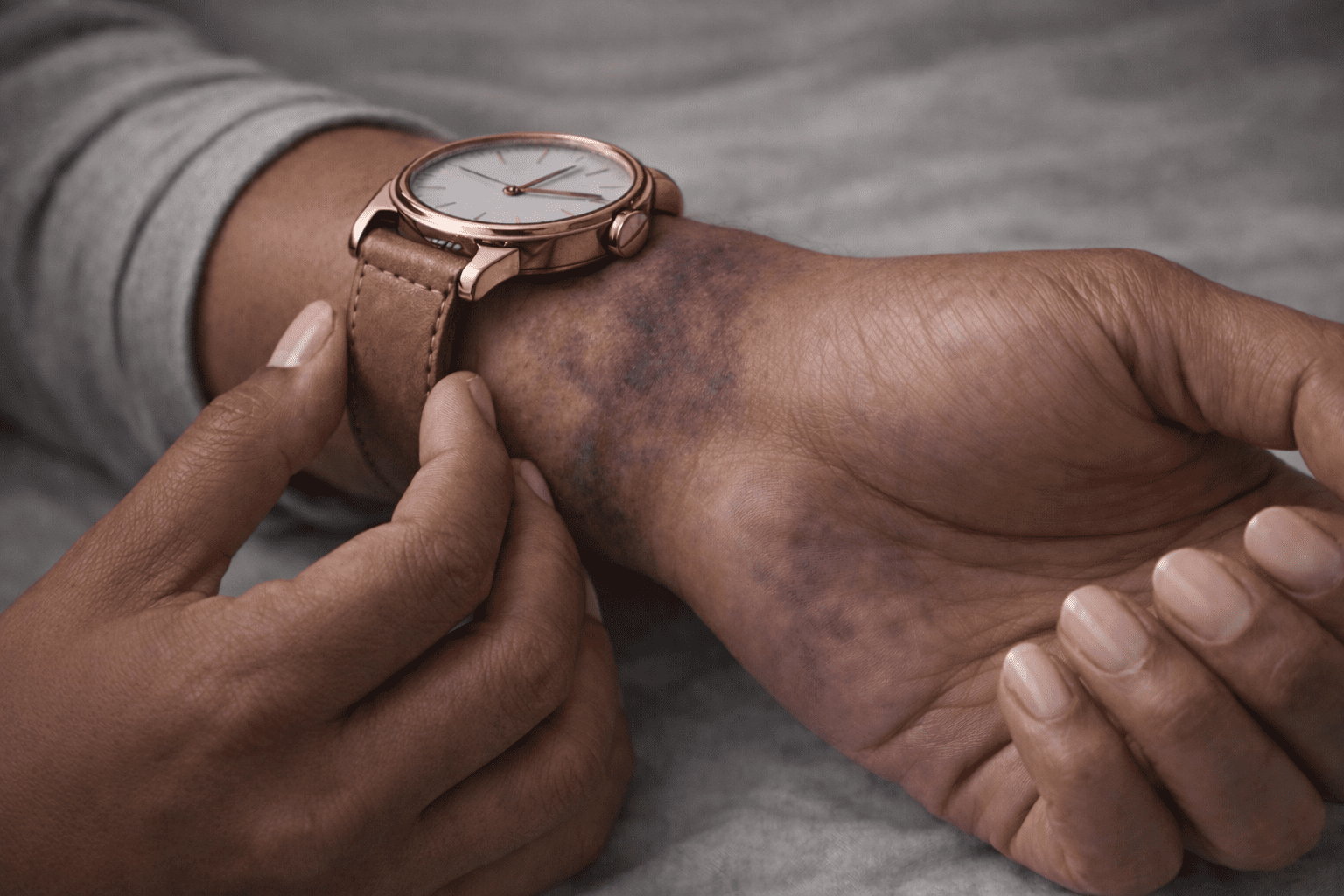
It can feel frightening or confusing to discover that someone is hurting themselves. You might worry about saying the wrong thing. You might feel helpless.
What often helps most is:
- Staying calm and not reacting with anger or shock
- Listening more than talking
- Avoiding ultimatums or threats
- Gently encouraging them to seek professional support
- Letting them know they are not a burden
You do not need to have all the answers. Simply being a safe person can be powerful.
A message to anyone struggling
If you are harming yourself or thinking about it, please know this:
You are not alone in feeling this way.
Your pain is real, even if others cannot see it.
You deserve care that is kind, respectful and understanding.
Reaching out can feel like the hardest step. But you do not have to carry everything by yourself.
What would it feel like to tell someone, just once, “I am not okay”?
What kind of support would make you feel safer?
What would healing look like for you, even in small steps?
And if today feels overwhelming, if you feel at risk of harming yourself, please seek urgent help. You deserve immediate support and you do not have to face this moment alone.
You can call 999 in an emergency, contact NHS 111 or reach Samaritans on 116 123 free at any time. If speaking feels hard, you can text SHOUT to 85258 to message with a trained volunteer.
Reaching out in a crisis is not a failure. It is a step towards safety.