Listening for the Women History Didn’t Centre
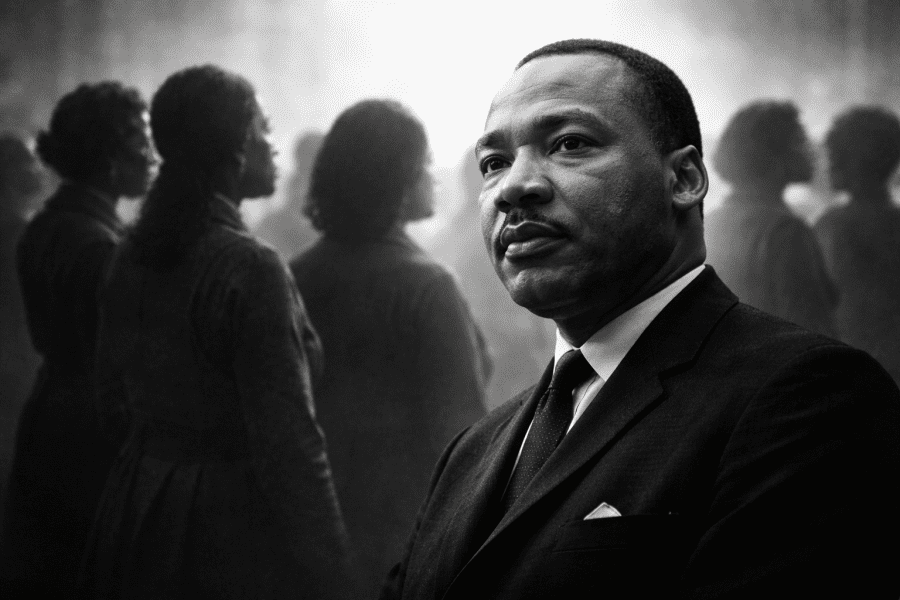
Martin Luther King Jr. Day is often framed around powerful speeches, public marches, and moments of Collective courage. These narratives matter. They remind us that justice is possible, and that voices raised together can change the direction of history.
But beneath these well-known images sits a quieter truth. Movements are sustained not only by those who stand at the podium, but by those who carry the weight behind the scenes. Women. Often unseen. Often unnamed. Often expected to endure.
On this day, it is worth asking whose labour made justice possible — and whose voices were left out of the story.
The Women Who Held the Line
Women were not on the edges of the civil rights movement. They were its backbone. They organised, mobilised, educated, housed, fed, protected, and healed. They built networks of care while navigating ra cism, sexism, and violence simultaneously.
Many carried responsibility without recognition. Their leadership was frequently informal, relational, and rooted in community — forms of power that history does not always value or record.
For Black women especially, the fight for racial justice has always existed alongside the fight to be seen as whole human beings. Their pain was rarely centred. Their exhaustion was often normalised. Their resilience was praised, even when it came at great personal cost.
This pattern has not disappeared.
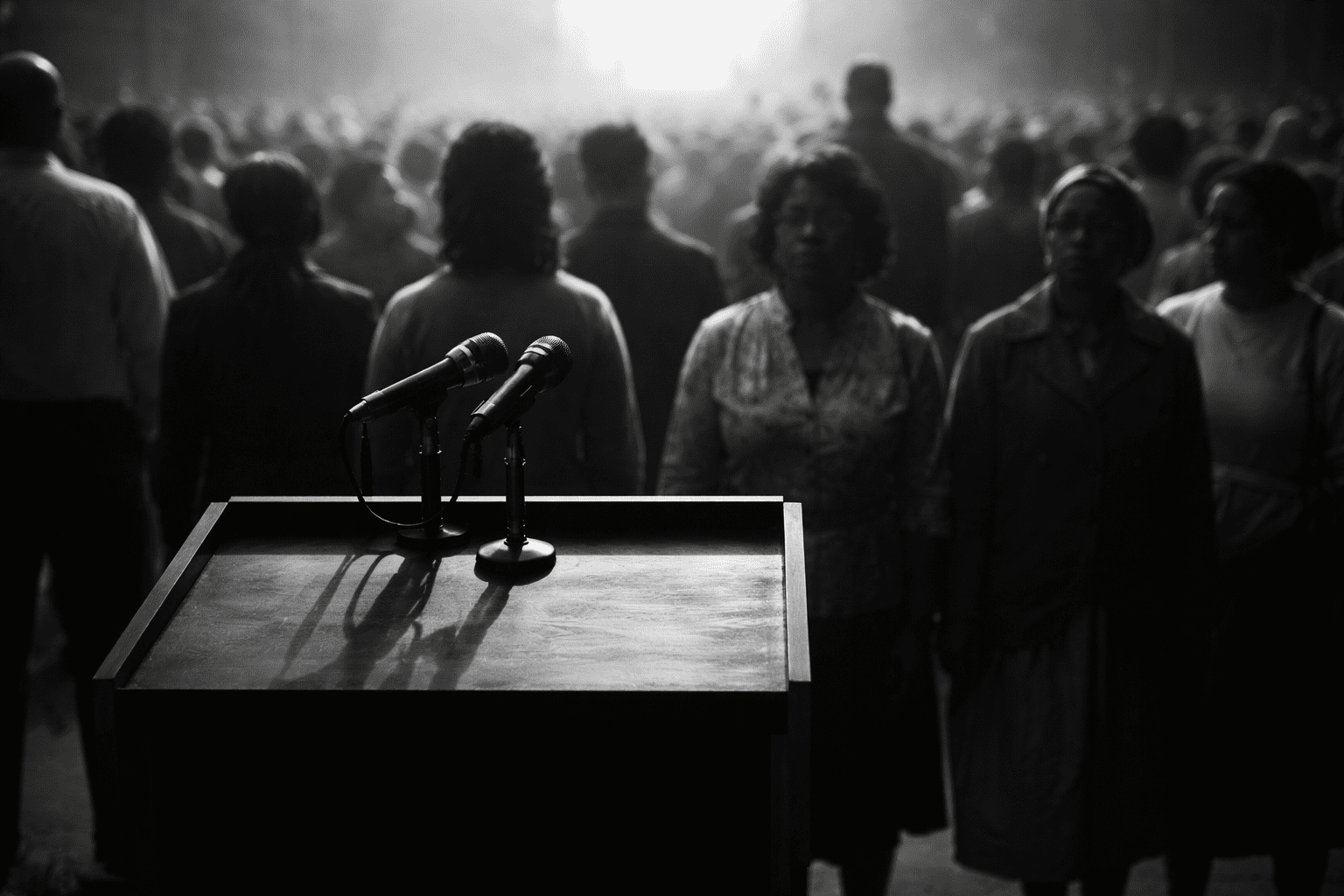 When Justice Movements Ask Women to Wait
Across generations, women have been told to be patient. To wait for equality. To prioritise the “bigger cause.” To stay quiet for the sake of unity.
But justice that asks women to silence their harm is incomplete.
For many women today — particularly those from Black and minoritised communities — inequality does not arrive in neat categories. Racism, gendered violence, economic injustice, and systemic neglect are intertwined. Addressing one without the others leaves women vulnerable.
Martin Luther King Jr. spoke powerfully about dignity, humanity, and the moral responsibility to resist injustice. Honouring that legacy means recognising where women have been excluded — and refusing to repeat that exclusion.
The Cost of Carrying Strength
Women are often remembered for their strength. But strength, when expected rather than chosen, can become another form of burden.
Many women have been taught to hold families together, sustain communities, and absorb harm quietly. They are praised for endurance while denied protection. Their suffering is minimised because they are seen as capable of surviving it.
At Anah Project, we see the consequences of this every day. Women who have carried too much for too long. Women whose needs were postponed in the name of loyalty, faith, or collective struggle. Women who were told that their pain was less urgent.
Justice requires more than admiration for resilience. It requires safety, accountability, and care.
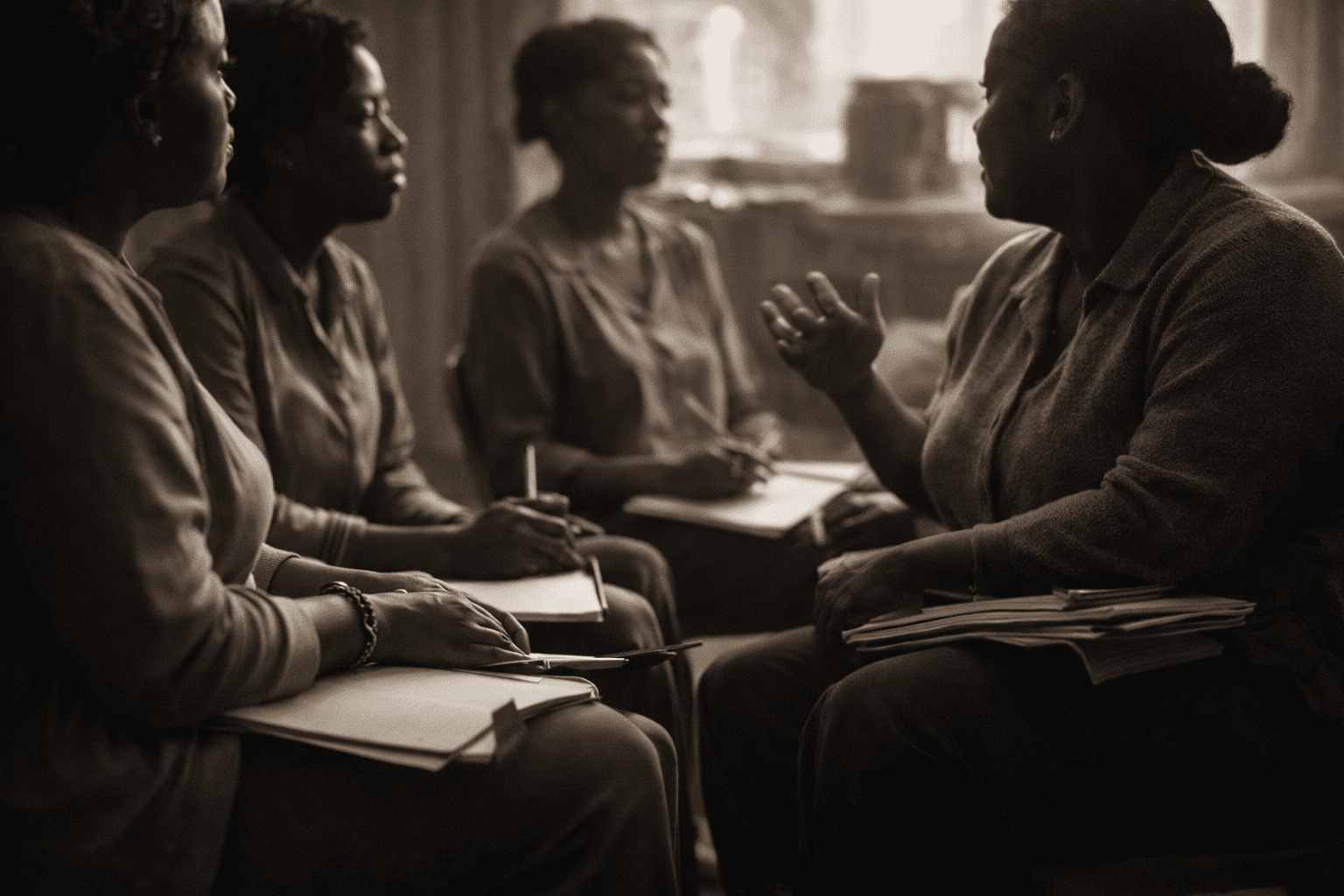 Legacy as Responsibility, Not Symbol
Remembering Martin Luther King Jr. is not only about honouring the past. It is about examining the present.
What does justice look like for women now?
Who is being asked to endure rather than be protected?
Whose voices are still treated as secondary?
A legacy rooted in dignity demands that we listen differently. That we centre those who have been marginalised even within movements for change. That we challenge systems — cultural, social, and institutional — that continue to place women at risk.
Moving Forward With Women at the Centre
On Martin Luther King Jr. Day, we honour the vision of a world shaped by justice and compassion. We also recognise that this vision cannot be realised without women’s experiences at its heart.
For women rebuilding their lives after abuse, inequality is not theoretical. It is lived. Justice is not symbolic. It is practical. It is safety. It is being believed. It is having access to support without fear or judgement.
Honouring this day means committing to that work — not just in words, but in action.
And it means listening, finally and fully, to the women history too often asked to stand behind the movement rather than at its centre.