The Quiet Weight Many People Carry

Carer’s Week 2026 takes place from 8–14 June and offers an opportunity to pause and recognise the people whose care often happens quietly, behind closed doors and without recognition. Across the country, carers support loved ones through illness, disability, mental health challenges, ageing, recovery and crisis — often while balancing work, parenting, financial pressure and their own wellbeing.
For many women supported by Anah Project, care is not simply an act of kindness. It can become a responsibility carried every single day, often without rest. Some care for children while rebuilding their own lives after abuse. Others support family members while navigating trauma, housing insecurity or isolation themselves. Many continue to give emotionally, physically and financially long after they have reached exhaustion.
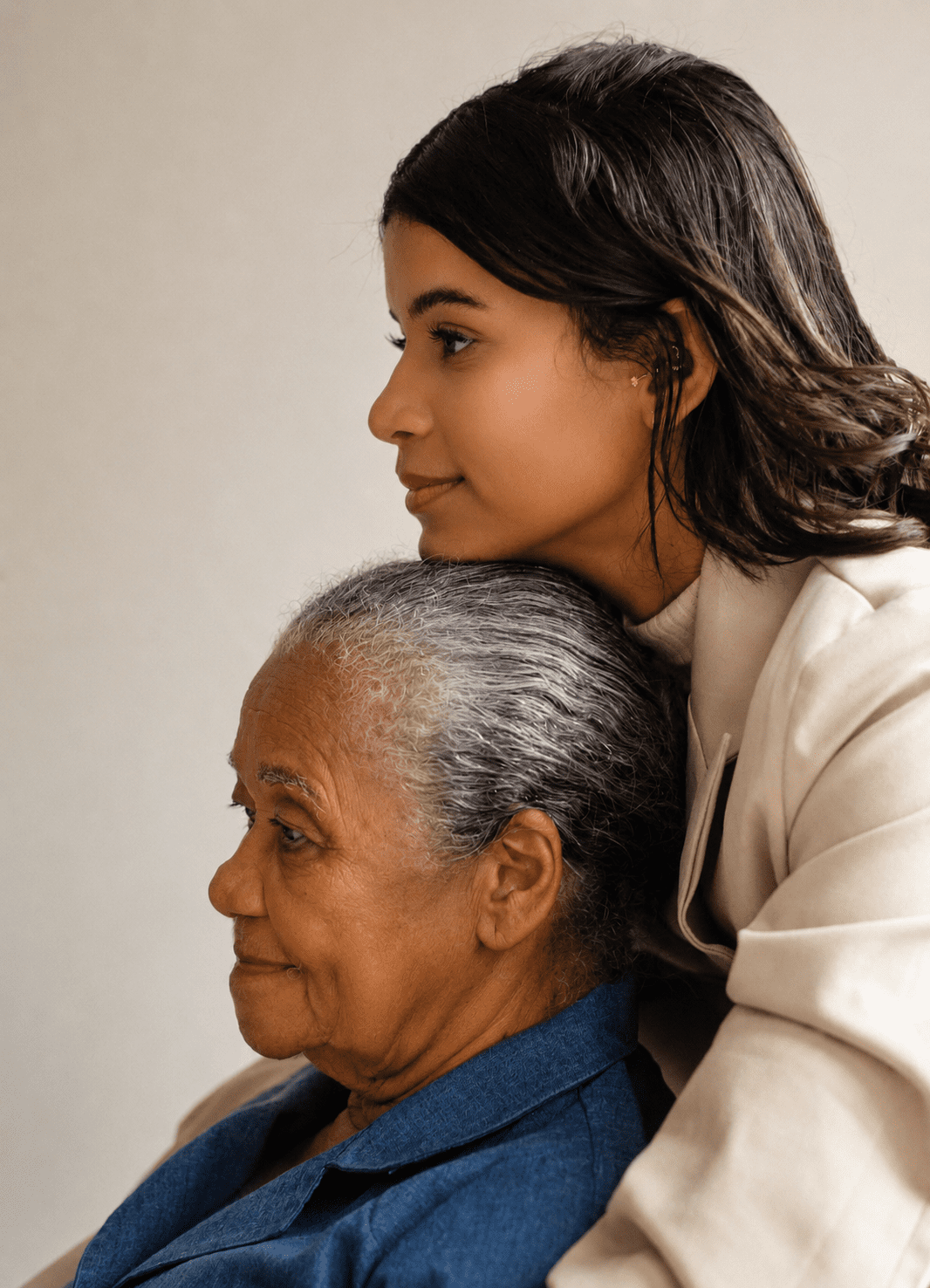 When Care Becomes Invisible
Care can be deeply meaningful. It can strengthen bonds, create moments of closeness and remind people that they are not alone. But care can also become invisible. Society often praises carers for being “strong” without asking whether they are coping. It celebrates selflessness while overlooking the emotional toll that constant responsibility can have on a person’s mental health, confidence and future opportunities.
For Black and minoritised women especially, caring responsibilities are often shaped by cultural expectations, migration experiences, language barriers and community pressures. Some women feel unable to ask for help because they fear judgement or shame. Others are expected to carry responsibilities simply because they always have. In some households, daughters become interpreters, emotional support systems and caregivers from a very young age. Over time, this can affect education, employment, relationships and wellbeing in ways that are rarely acknowledged openly.
 Care, Safety and Survival
At Anah Project, we know that care and safeguarding are closely connected. Women experiencing abuse may also be caring for children, elderly relatives or family members with additional needs. Some survivors remain in harmful situations because they fear what will happen to the people who depend on them. Others carry guilt for prioritising their own safety.
These realities remind us that support services must understand the full picture of a woman’s life — not only the abuse she may have experienced, but the responsibilities she continues to carry every day.
Carers Need Support Too
Carers themselves also deserve care.
That care might look like practical support, flexible workplaces, community understanding or simply being asked a genuine question: How are you coping? Sometimes it means allowing carers to speak honestly without feeling they must appear endlessly resilient. Sometimes it means recognising that rest is not selfish, and that asking for help should never be seen as failure.
This Carer’s Week, we encourage people to reflect on the carers around them — the friend who is always rushing between responsibilities, the mother who never seems to stop, the young person translating documents for relatives, the woman quietly supporting everyone else while struggling herself.
Who checks in on the people doing the caring?
Who notices when they are tired?
And how can communities create spaces where carers feel supported too?
 Recognising Care in Everyday Life
Care is often spoken about as something extraordinary, but in reality it is woven into everyday life through thousands of unseen actions: preparing meals, attending appointments, making phone calls, offering reassurance, staying awake through difficult nights, or simply continuing to show up for someone else.
This week is not only about recognising carers for what they do. It is also about recognising them as people — people who deserve dignity, support, rest and understanding in return.