8 March – International Women’s Day

The mother who turned grief into a movement for justice
International Women’s Day (8 March) is a global day recognising women’s achievements while also highlighting the inequalities many still face. It began in the early 20th century, rooted in movements for women’s rights, fair working conditions, and the right to vote. Today, it is both a celebration and a call to action — a reminder that progress has been made, but work remains.
It invites us to reflect:
- Whose contributions are celebrated — and whose are overlooked?
- What does justice look like for women today?
- How do we support women who speak up against injustice?
This year, Anah Project is reflecting on the story of Baroness Doreen Lawrence — a mother, campaigner, and charity leader whose strength transformed personal tragedy into national change.
Her journey is not only one of loss. It is one of persistence, courage, and an unwavering belief that justice should not depend on who you are, where you come from, or how much power you hold.

A voice that would not be silenced
After the racist murder of her teenage son, Doreen Lawrence could have been consumed by grief alone. Instead, she stepped into a public fight for truth and accountability at a time when institutions were not ready to listen.
She challenged not only individuals, but systems. She questioned failures, demanded answers, and refused to accept dismissals or excuses. In doing so, she helped expose deep inequalities and forced a country to confront uncomfortable truths about racism and justice.
This was not the role she had chosen for herself.
It was the role she chose not to walk away from.
From personal loss to public impact
What makes Doreen Lawrence’s story so powerful is not only her resilience, but what she did with it.
She went on to establish a charitable foundation in her son’s name, creating opportunities for young people and working to address inequality in education, employment, and society more broadly. Her work moved beyond remembrance into action — building pathways for others where doors had too often been closed.
Her leadership shows how lived experience can become a force for structural change. She did not campaign only for her own family. She worked to make sure other families might not have to endure the same injustice.
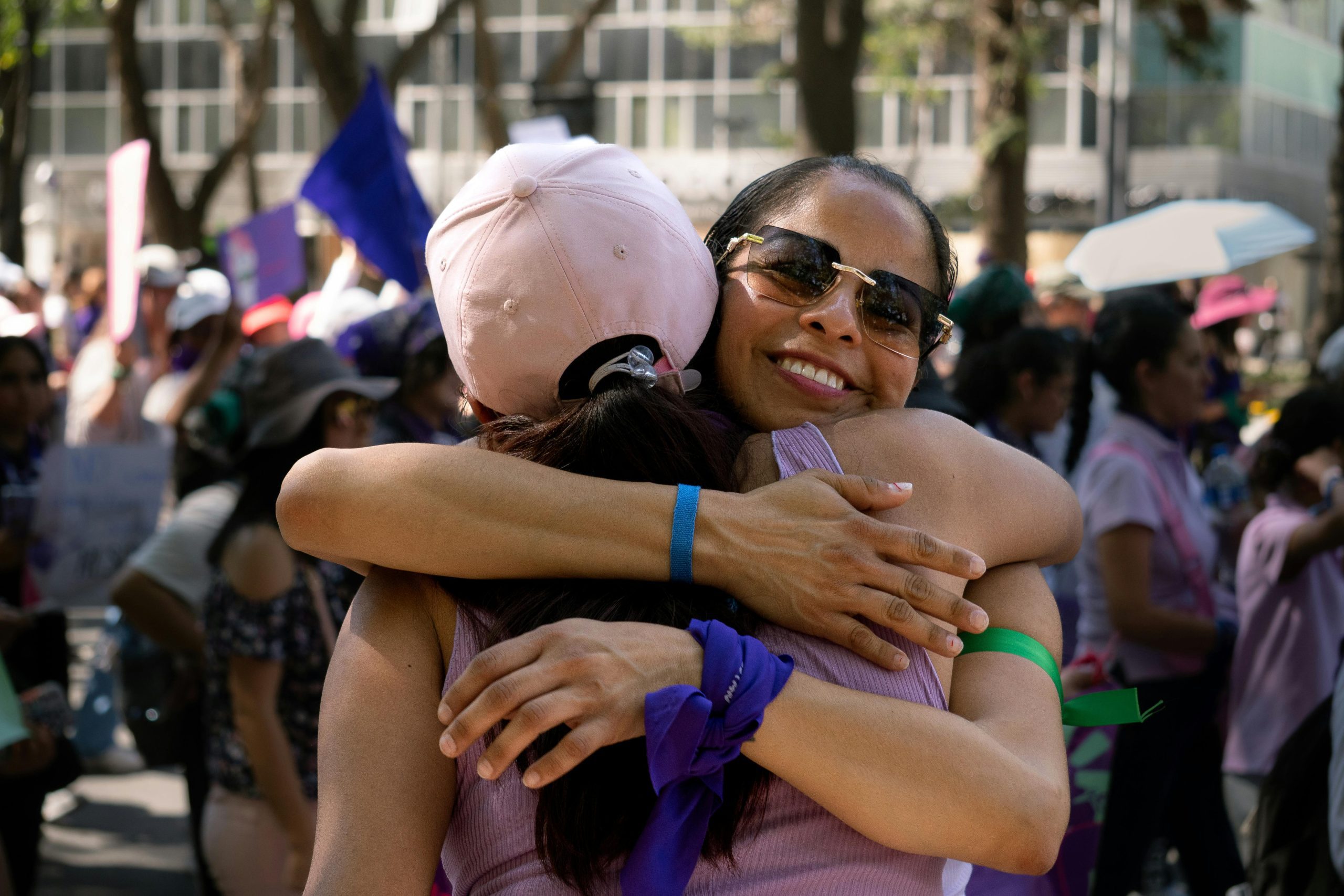 Redefining strength
Strength is often misunderstood. It is not always loud. It is not always polished. Sometimes it looks like continuing when you are exhausted. Sometimes it looks like speaking when your voice shakes.
Doreen Lawrence has shown a form of strength that many women — particularly those from Black and minoritised communities — know well: the strength of carrying pain while still pushing for change, the strength of navigating systems that were not built to protect you, the strength of insisting that your loved one’s life had value when others failed to see it.
Her work has influenced law, policy, education, and public awareness. But at its heart, it began with something deeply human: a mother saying, this is not right.
Why her story matters today
At Anah Project, we support women who are often told to stay quiet about abuse, exploitation, and harm. Many are navigating racism, cultural stigma, or institutional barriers alongside personal trauma. Speaking up can feel risky. Challenging systems can feel impossible.
Doreen Lawrence’s journey reminds us that:
- One voice can start a national conversation
- Persistence can outlast resistance
- Change often begins with someone refusing to accept injustice as normal
Her story is not only about the past. It is about what courage looks like now — in courtrooms, in communities, in charities, and in everyday acts of advocacy.
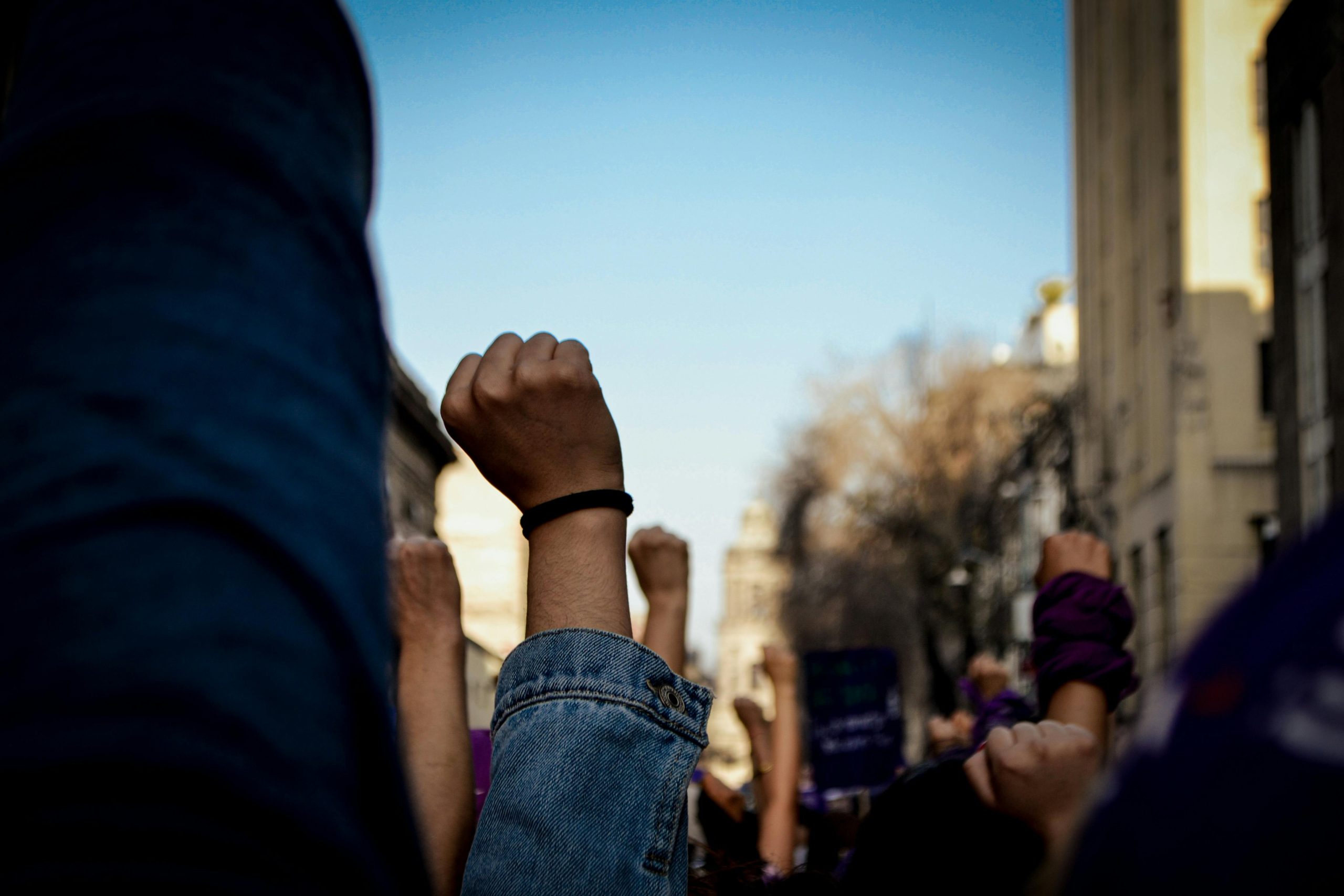 Honouring women who create change
International Women’s Day is a time to celebrate women’s achievements, but also to recognise the emotional labour, resilience, and determination behind that change.
Women like Doreen Lawrence show us that leadership does not always begin with a title. Sometimes it begins with love, loss, and the decision to keep going anyway.
Her legacy lives not only in the policies she helped influence, but in the young people supported through her foundation, the conversations her campaigning forced into the open, and the example she continues to set: that dignity, fairness, and justice are worth fighting for.
As we mark this day, we might ask:
- Who is speaking up today, even when it is difficult?
- Whose voices are still not being heard?
- How can we stand beside women turning pain into change?
And today, we also invite you to share your appreciation. Reach out, send a message, speak a name, or simply say thank you to the women — past and present — who have shaped not only history, but your own life through courage, care, and everyday acts of strength. Sometimes, the simplest gestures carry the deepest meaning.