World Day for Cultural Diversity
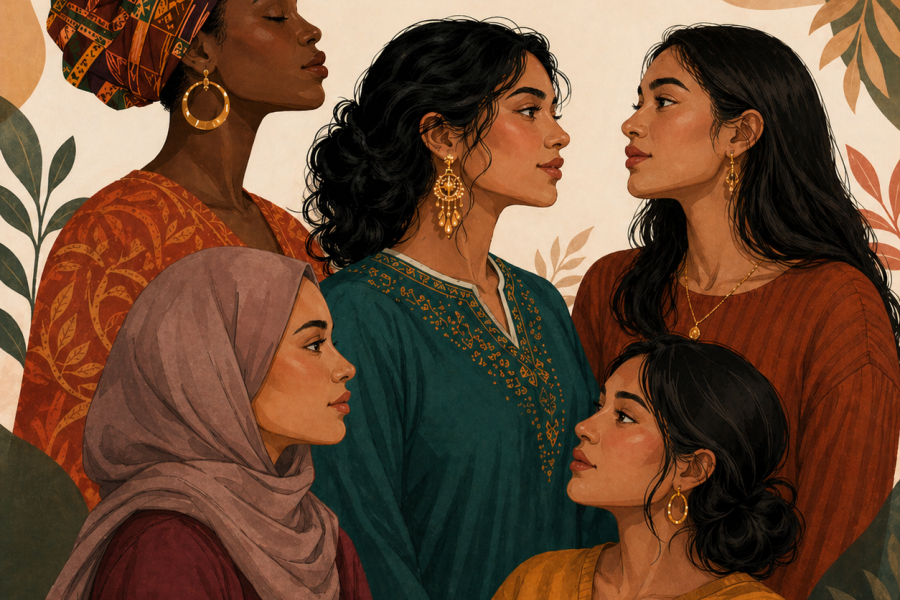
Culture, Identity, and the Spaces We Carry Within Us
Culture shapes how we understand ourselves and how we move through the world. It lives in language, traditions, values, and the quiet ways we connect with others. It can offer comfort, familiarity, and a sense of belonging that feels deeply rooted.
For many women, especially those from Black and minoritised communities, culture is not something distant or abstract. It is lived and felt every day. It can be a source of strength and identity, but it can also carry expectations that are not always easy to navigate or question.
World Day for Cultural Diversity invites us to reflect gently on both of these experiences — the warmth that culture can bring, and the complexity that can sit alongside it.
Where Culture Holds Strength and Connection
Culture can create a sense of home, even in unfamiliar places. It can be found in shared traditions, in stories passed through generations, and in the ways communities care for one another.
For many women, culture is closely connected to resilience. It carries histories of survival, of adaptation, and of quiet strength. It offers ways of understanding the world and provides a sense of continuity, even when life feels uncertain.
These parts of culture are important. They deserve to be recognised, held onto, and celebrated.
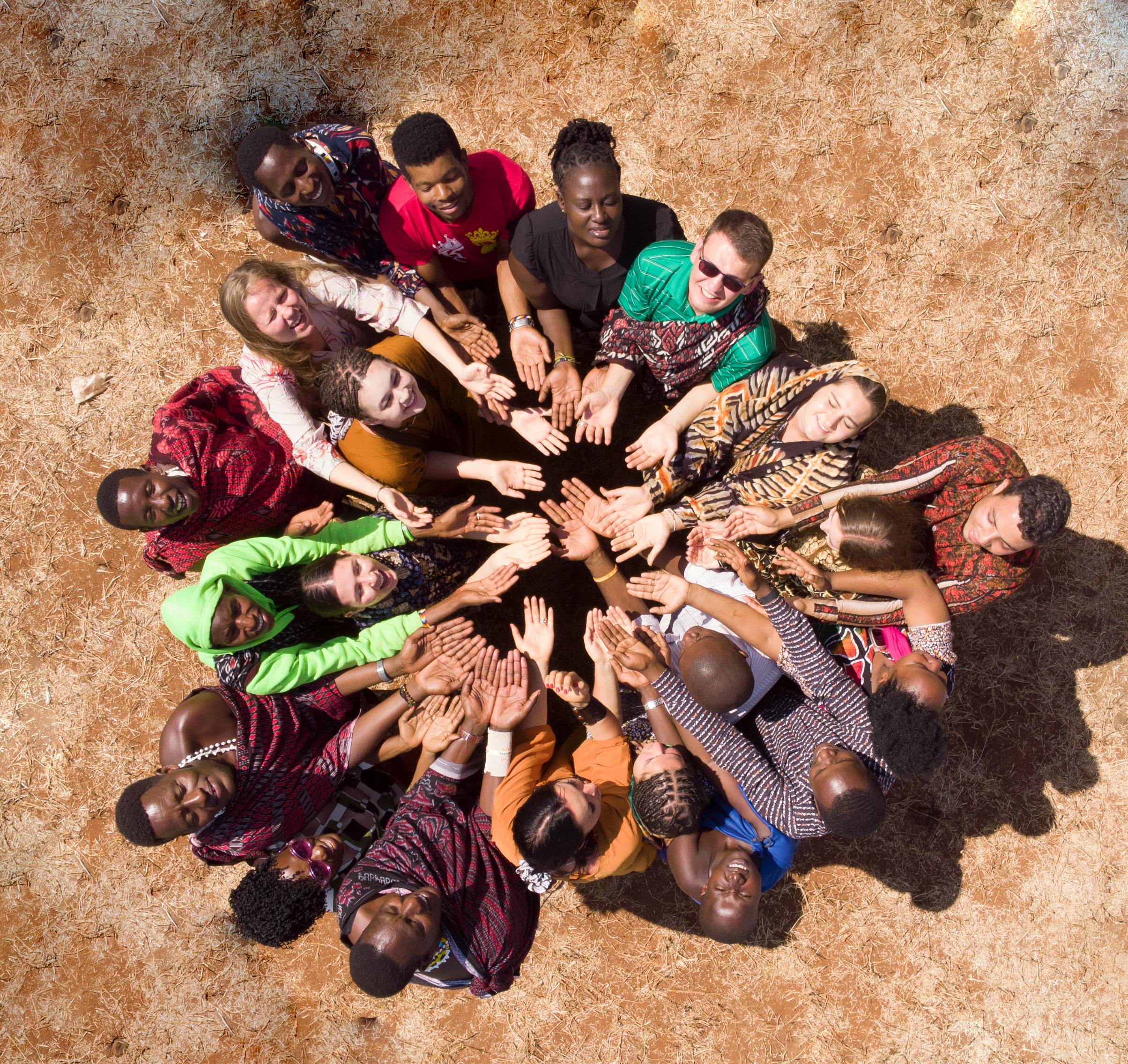
When Expectations Feel Heavy
At times, culture can also bring expectations that feel difficult to carry. These may relate to roles within the family, to behaviour, or to decisions about relationships and independence.
These expectations are not always spoken openly, yet they can shape choices in very real ways. There can be a sense of responsibility to meet them, even when they do not feel aligned with personal needs or wellbeing.
For some women, this can create a quiet tension — between staying connected and feeling able to live freely.
Holding Identity Across Different Worlds
Many women move between different cultural spaces, whether through migration, upbringing, or lived experience. This can bring a richness of perspective, but also moments of uncertainty.
There may be times when identity feels layered or shifting, depending on where you are and who you are with. Parts of yourself may feel fully understood in one space, and less so in another.
Navigating this can take energy. It can involve adjusting, balancing, and finding ways to remain connected to yourself while moving through different expectations.
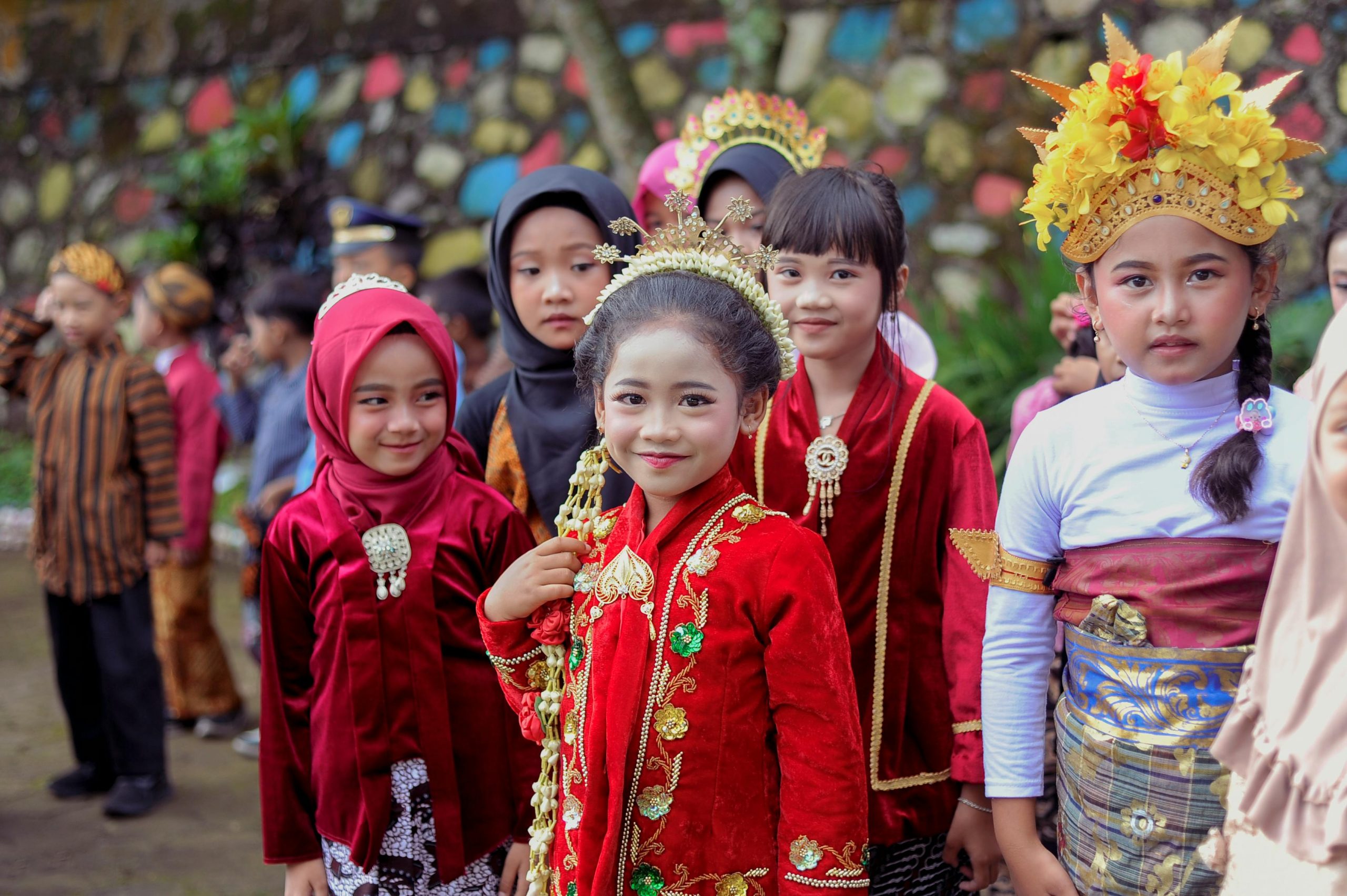
Making Space for Gentle, Honest Reflection
Conversations about culture are not always easy. There can be a desire to protect what feels important, while also trying to understand what may feel difficult or limiting.
Allowing space for reflection does not mean rejecting culture. It simply means creating room to consider how it is experienced, and how it shapes wellbeing, safety, and choice.
These conversations can be quiet, thoughtful, and personal. They do not need to be loud to be meaningful.
Choice, Safety and Being Able to Breathe
At Anah Project, we see how culture and identity are closely connected to feelings of safety and belonging. We see the care women hold for their families and communities, alongside the need to feel safe within their own lives.
Being able to make choices — about relationships, about independence, about how life is lived — is an important part of wellbeing.
Culture should be something that supports that sense of safety, not something that makes it harder to breathe.
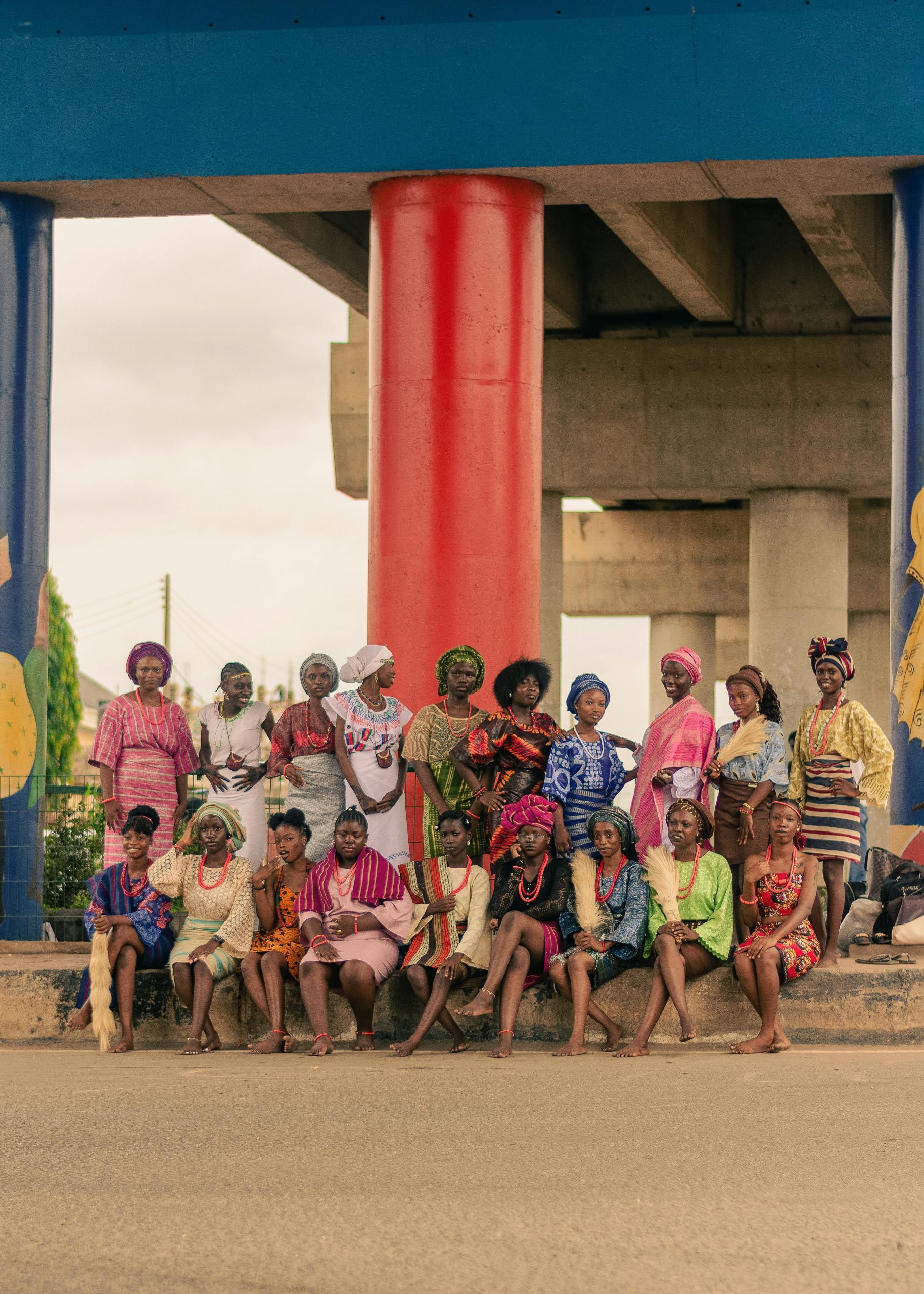
Holding Space for Complexity
This day is an opportunity to hold space for the fullness of experience. To recognise the beauty and strength within culture, while also acknowledging that it can sometimes feel complex or challenging.
Both can exist together, without cancelling each other out.
In making space for these conversations, there is room for understanding, for compassion, and for a more balanced way of seeing culture — one that centres women’s voices, experiences, and sense of self.