Changing the Narrative, Starting the Conversation
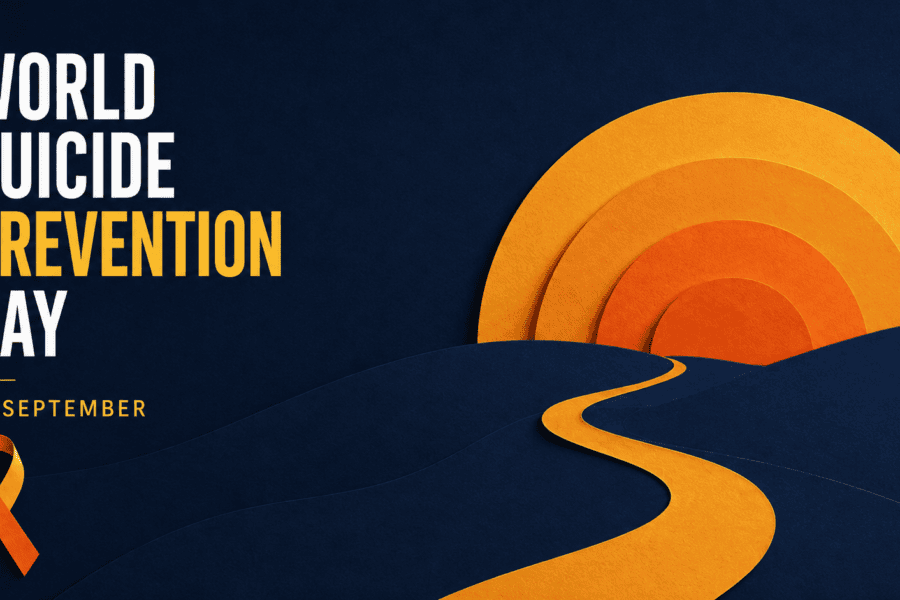
Every year on 10 September, people and organisations around the world mark World Suicide Prevention Day.
In 2026, the international theme remains “Changing the Narrative on Suicide”, with a simple but important call to action: Start the Conversation.
The theme, led by the International Association for Suicide Prevention and supported by the World Health Organization, encourages us to challenge stigma and harmful assumptions around suicide and create environments where people feel able to speak openly and seek support.
For Anah Project, this conversation also provides an opportunity to consider the importance of emotional wellbeing, safety and appropriate support for women experiencing domestic abuse.
Changing the Narrative
Talking about suicide can feel difficult.
People may worry about saying the wrong thing, feel uncertain about how to respond or avoid the subject altogether. For someone experiencing distress, that silence can contribute to feelings of isolation.
The theme of World Suicide Prevention Day challenges that silence.
Changing the narrative means moving away from stigma, secrecy and judgement towards greater understanding, compassion and openness. It also means recognising suicide prevention as something that requires wider social and systemic change, including access to appropriate care and support.
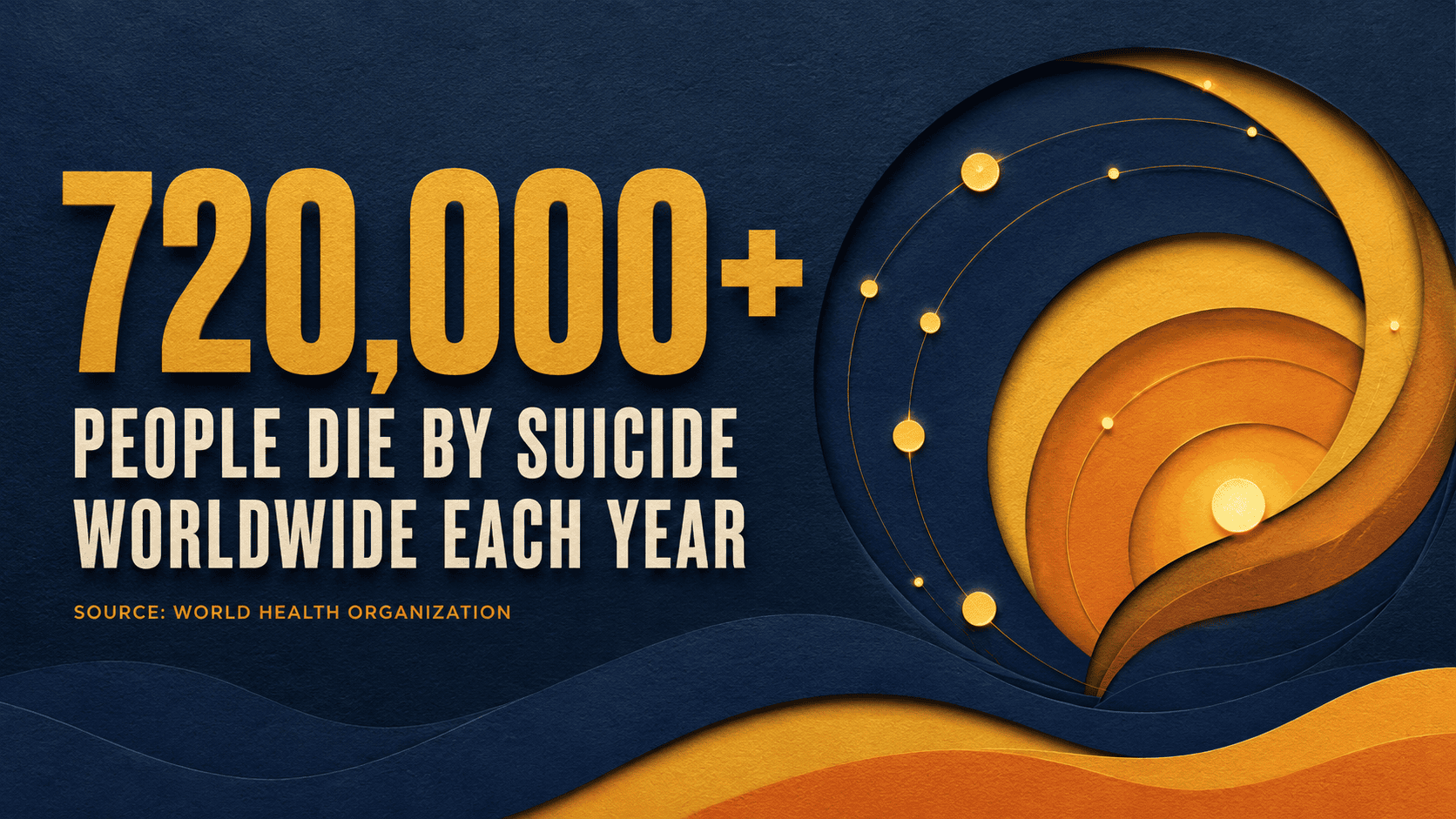
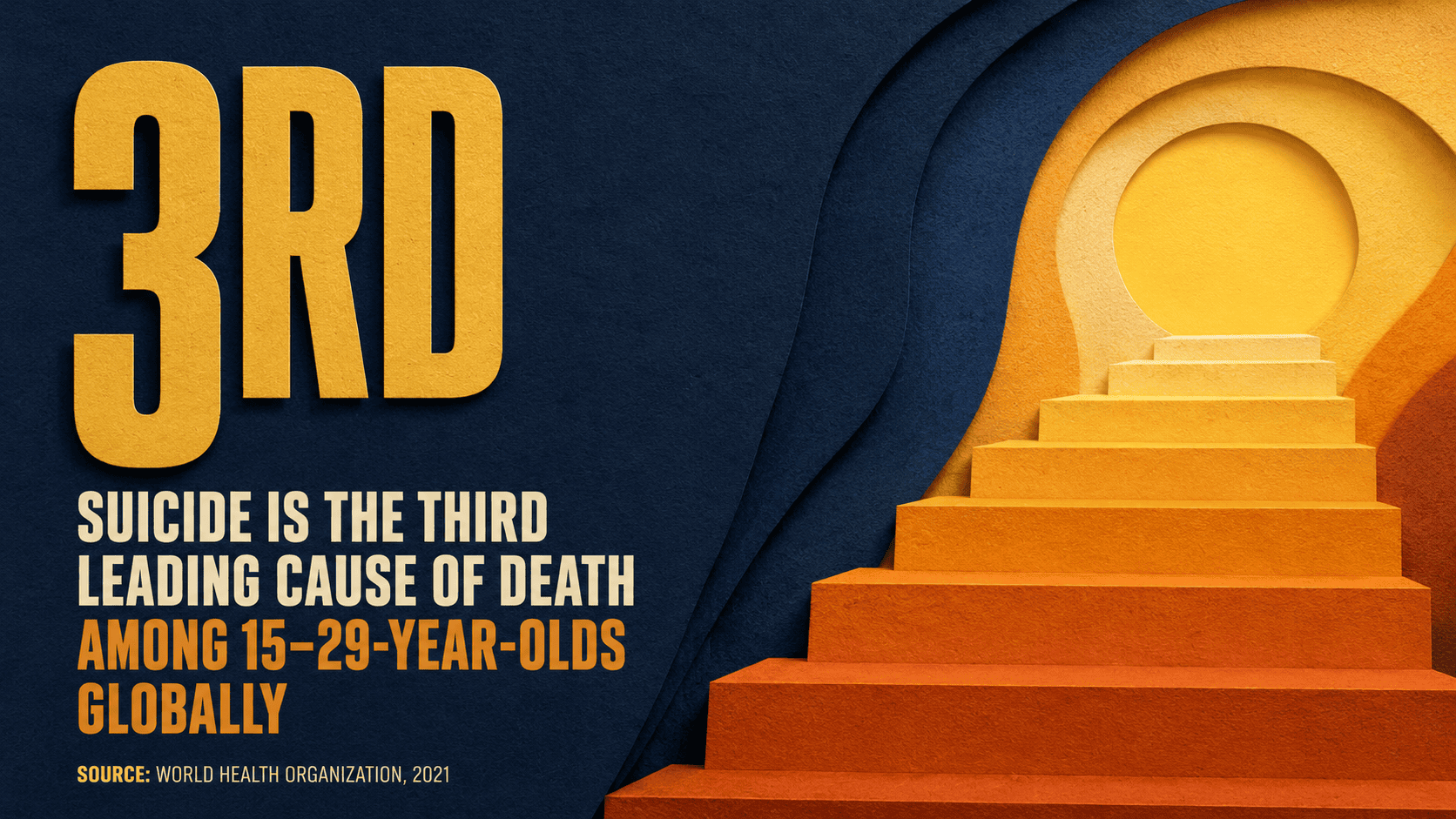
The scale of the issue remains significant. The World Health Organization estimates that more than 720,000 people die by suicide globally each year, with the effects extending to families, friends, workplaces and communities.
Behind every statistic is a person and a story that cannot be reduced to a number.
 Domestic Abuse and Emotional Wellbeing
Domestic abuse can affect many areas of a woman’s life.
Abuse may involve physical violence, but it can also include coercive control, emotional and psychological abuse, financial abuse, threats, isolation and other forms of controlling behaviour.
Living with fear and control can have a profound effect on emotional wellbeing.
For some women, there may be additional barriers to seeking support. Language, immigration status, financial dependence, family pressures, fear of community judgement or previous experiences of services can all influence whether someone feels able to ask for help.
For Black, South Asian and Middle Eastern women, culturally appropriate specialist support can therefore be particularly important.
Understanding these different experiences is part of changing the conversation around both domestic abuse and mental health.
The Importance of Being Heard
Sometimes support begins with being able to speak without fear of judgement.
Listening does not mean having all the answers. Nor should friends, relatives or colleagues feel that they have to become mental health professionals.
But taking someone seriously, responding with compassion and helping them connect with appropriate support can matter.
This is particularly important when someone has experienced abuse and control. Having choices repeatedly taken away can affect confidence and independence, so support should respect a woman’s voice and her right to make decisions about her own life.
At Anah Project, our work is culturally sensitive and trauma-informed. Women are supported according to their individual circumstances, recognising that recovery does not follow the same path for everyone.
 Starting Conversations Without Judgement
The 2026 World Suicide Prevention Day message, Start the Conversation, is not about forcing people to disclose experiences they are not ready to discuss.
It is about creating a society in which difficult conversations can happen.
That means challenging language that stigmatises people experiencing mental distress. It means taking concerns seriously. It means recognising that asking for support should never be a source of shame.
It also means making information about support visible and accessible.
A conversation may happen between friends, within a family, at work, in a community organisation or with a specialist professional. What matters is creating space for people to speak and ensuring that appropriate help is available when they do.
 Support Must Be Accessible
Changing attitudes is important, but conversations alone are not enough.
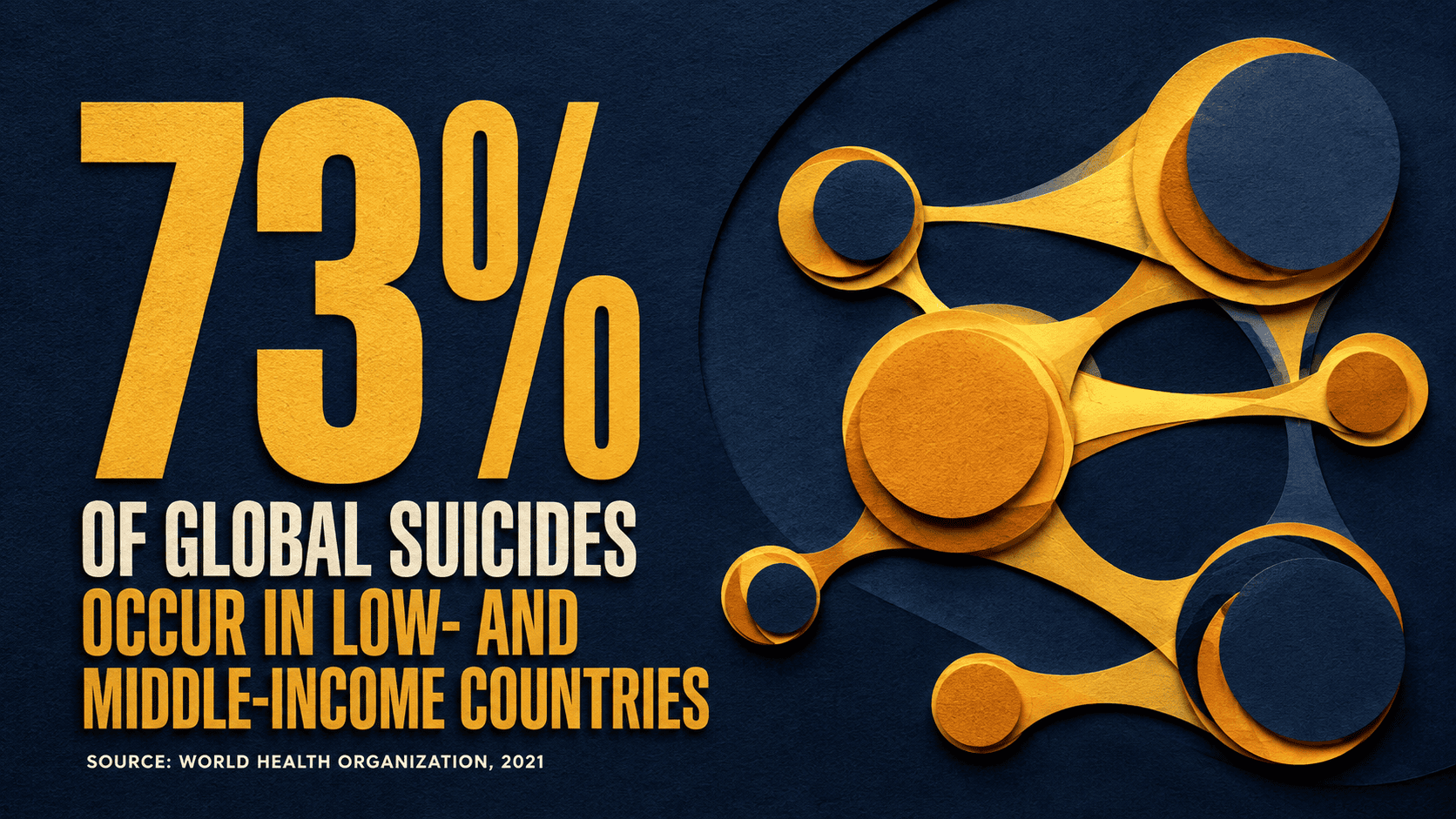
The World Health Organization emphasises that changing the narrative must also involve systemic action, including prioritising suicide prevention and mental health within public policy, improving access to quality care and ensuring people experiencing distress can receive appropriate support.
This is particularly important for women who may already face barriers to accessing mainstream services.
Specialist organisations can help bridge some of those gaps by understanding the cultural, practical and personal circumstances surrounding a woman’s experience.
For women experiencing domestic abuse, safety, housing, financial security, healthcare, immigration concerns and emotional wellbeing may all be interconnected.
Support needs to recognise the whole person rather than treating each difficulty in isolation.
A Conversation Can Be a Beginning
World Suicide Prevention Day reminds us that silence and stigma can be challenged.
We can become more comfortable listening. We can question assumptions. We can share reliable information about support. Organisations can examine whether their services are genuinely accessible to the communities they aim to reach.
And we can create spaces where someone experiencing distress knows that asking for help will be met with compassion rather than judgement.
At Anah Project, we support Black, South Asian and Middle Eastern women and girls experiencing domestic abuse through culturally sensitive, trauma-informed refuge, advocacy and resettlement support.
This World Suicide Prevention Day, we join organisations and communities around the world in helping to change the narrative.
Because difficult conversations should not be conversations we are afraid to have.
Start the conversation. Listen without judgement. Help make support visible.