Heritage, Memory and Hidden Histories
Memory, Meaning and the Stories We Choose to Preserve
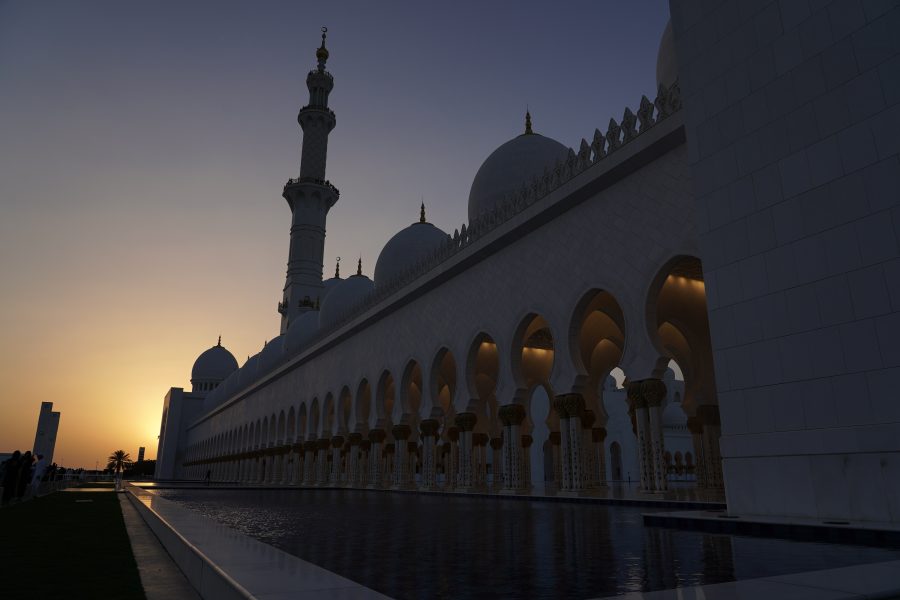
World Heritage Day, observed each year on 18 April, was established to raise awareness of the importance of cultural heritage and the responsibility shared by societies to protect it. Traditionally, the focus of this day rests on monuments, historic sites and landscapes that carry architectural, artistic or archaeological value. Yet at its heart lies a deeper question: how do communities remember, and what do they choose to preserve?
Heritage is often associated with physical structures — the visible remains of history. However, memory does not exist only in stone. It also lives in lived experience, in family narratives, in cultural practices and in the quiet resilience of individuals whose stories may never appear on plaques or public memorials.
To reflect meaningfully on World Heritage Day is therefore to consider not only what is protected, but whose histories are recognised within that protection.
Memory Beyond Monuments
Societies build monuments to commemorate significant events and influential figures. These acts of commemoration shape collective understanding, influencing how future generations interpret the past. Yet public recognition has historically been selective. Many stories remain undocumented, particularly those belonging to women, to marginalised communities, and to individuals whose lives unfolded within private rather than public spaces.
Domestic abuse, by its nature, is often hidden from view. It leaves few visible markers in the landscape. There are no statues for survival, no historic buildings dedicated to the quiet strength required to leave harmful situations. And yet the experiences of women affected by abuse form part of the social history of our communities.
If heritage is about understanding how societies functioned — their power structures, their norms, their silences — then the experiences of survivors are central to that understanding.
Cultural Context and Harm
At Anah Project, our work takes place within complex cultural and social contexts. Tradition and identity can offer belonging and continuity. They can provide language, faith and shared meaning. However, cultural narratives can also be used, at times, to excuse control or to silence those who experience harm.
World Heritage Day provides an opportunity to reflect on how culture evolves. Preserving heritage does not require preserving harmful practices. Instead, it invites thoughtful engagement: how can communities honour their history while ensuring that dignity and safety are not compromised?
This is particularly relevant when working with women affected by domestic violence and harmful practices. Their experiences often intersect with expectations around honour, reputation, obedience or family responsibility. These pressures are rarely visible in public discourse, yet they are deeply rooted in social memory.
To address abuse effectively, it is necessary to understand these cultural dimensions without reinforcing stereotypes. Safeguarding and cultural literacy must work together.
Recognising the Unseen
One of the central aims of World Heritage Day is to promote awareness of vulnerability — the vulnerability of historic sites to neglect, conflict or environmental damage. In a different sense, there is also vulnerability in human memory. Stories can be lost through silence. Experiences can be minimised or dismissed. Trauma can be carried without acknowledgement.
Creating space for women to speak about abuse is, in its own way, an act of preservation. It ensures that experiences are neither erased nor normalised. It challenges the idea that what happens within private spaces is beyond social responsibility.
At Anah Project, supporting survivors is not only about crisis intervention. It is about restoring voice, rebuilding identity and recognising that personal history deserves respect. When a woman is believed and supported, her story becomes part of a broader narrative of resilience rather than one of isolation.
Heritage as Living Practice
Heritage is not static. It changes as societies grow and reassess their values. What was once accepted may later be questioned. What was once hidden may gradually be brought into light.
On World Heritage Day, the invitation is not simply to admire the past but to engage with it critically and compassionately. Protecting cultural heritage includes ensuring that future generations inherit communities where safety and equality are embedded within cultural life.
In this sense, the work of supporting women affected by domestic abuse contributes to a living heritage — one in which dignity is protected and harmful norms are challenged. It is a reminder that the most meaningful legacies are not only those constructed from stone, but those built through care, accountability and change.
A Considered Reflection
As World Heritage Day is observed, it offers an opportunity to reflect quietly on memory and responsibility. Cultural heritage shapes identity, but identity must never come at the expense of safety. By acknowledging both the strengths and the complexities within our traditions, we can move towards preservation that is inclusive rather than selective.
Heritage endures when it is honest. And honesty requires that all stories — including those of women who have survived harm — are recognised as part of the collective history we share.