International Day of Charity: The Difference Support Can Make
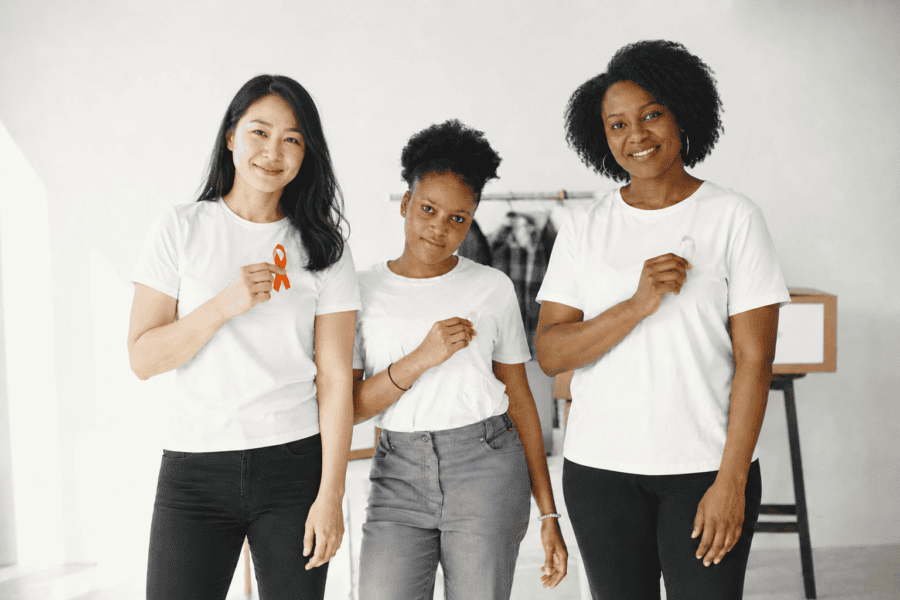
Every year on 5 September, International Day of Charity recognises the contribution that charities, volunteers and communities make to people’s lives around the world.
Established by the United Nations, the day encourages charitable action, volunteering and greater public awareness of the role that charities play in addressing humanitarian and social challenges. The date was chosen to commemorate the anniversary of the death of Mother Teresa, whose work supporting people experiencing poverty and hardship became recognised internationally.
For Anah Project, International Day of Charity is an opportunity to reflect on something closer to home: why specialist charities matter and what meaningful support can look like for women experiencing domestic abuse.
More Than Giving
When we hear the word charity, fundraising is often one of the first things that comes to mind.
Donations are important. They allow organisations to maintain services, develop projects and respond to changing needs. But charity is also about time, knowledge, skills, advocacy and people choosing to support their communities.
Across England and Wales, there are more than 171,000 registered main charities and over 6.5 million volunteer roles recorded by the Charity Commission. Together, these organisations work across areas ranging from health and education to poverty, disability, housing and violence against women and girls.
Behind those numbers are thousands of local organisations responding to needs within their own communities.
 Why Specialist Support Matters
For a woman experiencing domestic abuse, asking for help may be extremely difficult.
There may be concerns about housing or finances. There may be children to consider. Immigration status, language barriers, isolation and fear of authorities can make accessing support more complicated.
Culture and community can also influence a woman’s experience.
For Black, South Asian and Middle Eastern women, domestic abuse can intersect with cultural expectations, family pressures and forms of abuse that may not always be fully understood by mainstream services.
This is why specialist organisations have an important place within the charity sector.
Domestic abuse services can provide far more than emergency accommodation. Across the sector, support can include advocacy, outreach, resettlement, assistance with housing and specialist services for children and young people.
At Anah Project, support is culturally sensitive and trauma-informed, recognising that every woman’s circumstances are different.
A Safe Place Can Be the Beginning
Leaving an abusive situation does not automatically mean that everything becomes easy.
A woman may be rebuilding her life after years of control. She may need to navigate benefits, housing, healthcare or immigration processes. She may be returning to education or thinking about employment. Sometimes she may simply need the time and space to regain confidence and independence.
Safe accommodation can provide the physical security from which that process begins.
But recovery also involves being listened to, having choices and receiving practical support without judgement.
This is where charities can make a lasting difference – not by making decisions for women, but by providing the information, advocacy and support that can help them make decisions for themselves.
The People Behind Charitable Work
International Day of Charity is also an opportunity to recognise the people who keep charitable organisations running.
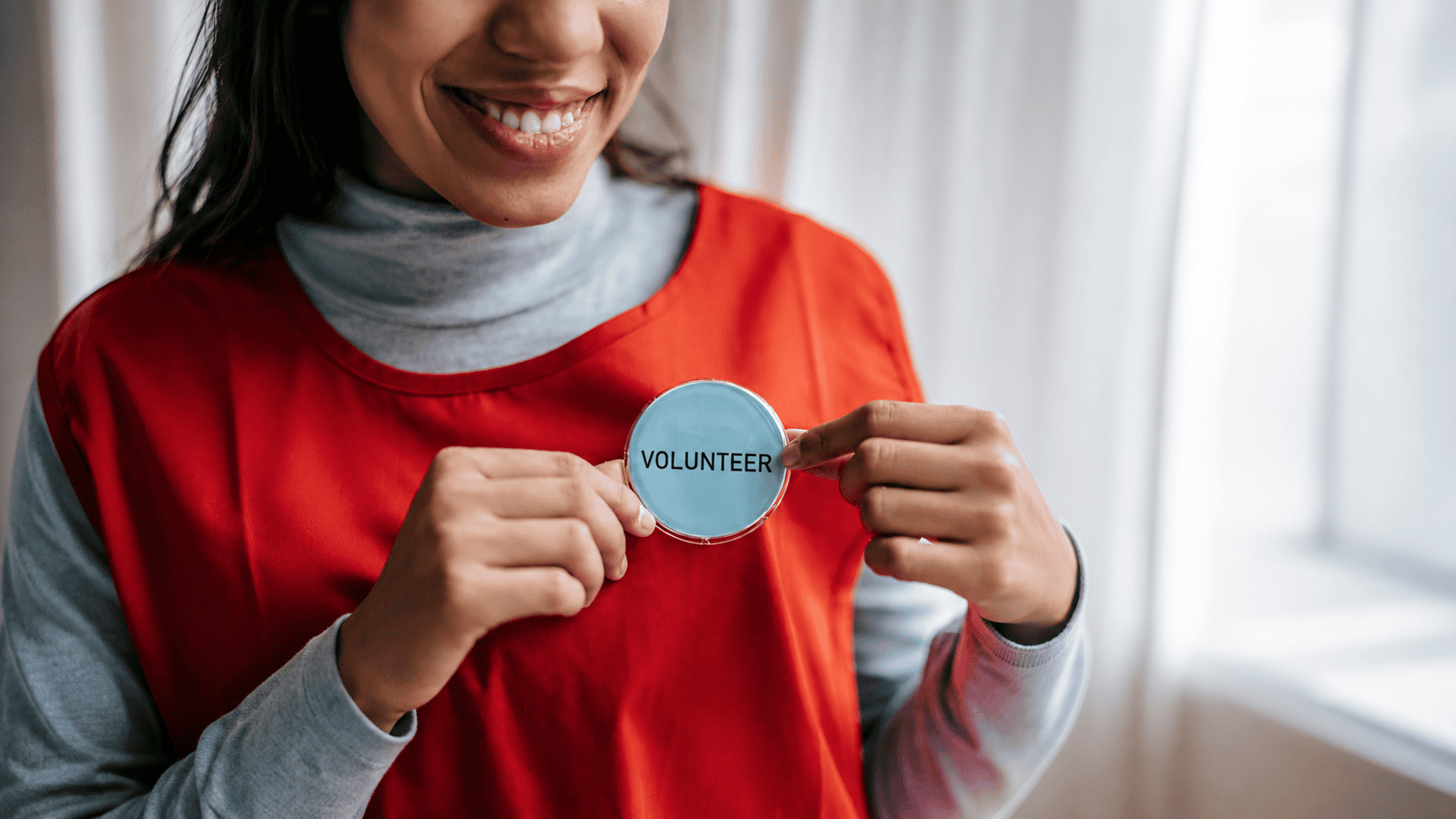
There are frontline workers supporting women through difficult moments, volunteers giving their time, trustees providing governance and people working behind the scenes in administration, communications, fundraising, finance and countless other roles.
Volunteering alone represents a substantial contribution to communities. NCVO estimates that around 14.2 million people formally volunteered through organisations, clubs or groups in the UK in 2021–22, with their contribution valued at approximately £18 billion.
Those contributions are not always visible to the people outside an organisation, but they help services continue.
 Small Actions Can Have Wider Impact
Supporting a charity does not always require a large donation.
People can volunteer their skills, fundraise, share reliable information, attend community events or introduce an organisation’s work to someone who might want to support it.
Even sharing information about a specialist service can matter. Someone reading a post today may remember the organisation months later when a friend, colleague or family member needs help.
Businesses and organisations can contribute too, through partnerships, sponsorship, fundraising, professional expertise or longer-term relationships with charities working within their communities.
The United Nations describes charity as something that can encourage solidarity, dialogue and mutual understanding between people from different cultures, religions and backgrounds.
That principle feels particularly relevant to organisations working with diverse communities.
International Day of Charity at Anah Project
For more than 30 years, Anah Project has supported Black, South Asian and Middle Eastern women and girls experiencing domestic abuse.
Our work is built around understanding that safety is only one part of recovery.
Through refuge, advocacy and resettlement support, women can begin rebuilding their lives with access to practical help in areas including housing, benefits, healthcare, counselling, immigration, education and employment.
International Day of Charity gives us an opportunity to recognise everyone who contributes to that work – from the women who place their trust in our services to staff, trustees, volunteers, supporters and organisations that help make those services possible.
It is also a reminder that strong communities are created when people are prepared to support one another.
This 5 September, we celebrate the charities, volunteers and supporters working every day to make that possible.