#Echos of Her – Muso Kunda
Inside Mali’s Muso Kunda, a Museum Built for Women, by Women
Tucked away in a quiet corner of Mali’s capital, Bamako, stands a museum unlike any other. There are no ancient war relics. No monarchs on horseback. No colonial timelines neatly framed in glass. Instead, the walls speak of matriarchs, midwives, market traders, poets, musicians, freedom fighters, and survivors.
This is Muso Kunda—which translates simply and powerfully as “House of Women.”
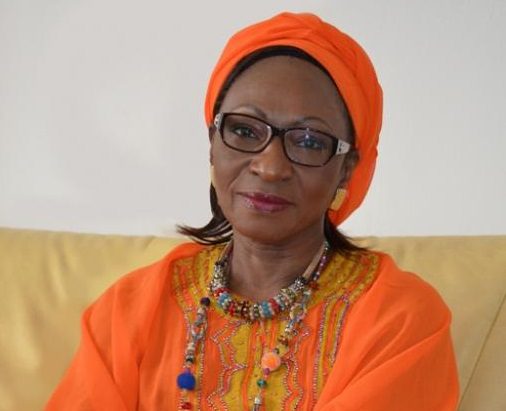
Founded in 1995 by Malian writer and former Minister of Culture Adame Ba Konaré, Muso Kunda was built to preserve, celebrate, and elevate the stories of Malian women—across tribes, languages, faiths, and generations. It is not just a museum. It is a political act. A cultural archive. A space of remembrance. A statement of visibility.

And for those of us working at the intersections of gender, heritage and justice, it’s a rare gem: a living example of how women’s stories can take centre stage, on their own terms.
More Than a Building
Stepping inside Muso Kunda feels like stepping into a world where women’s contributions are the foundation, not the footnote. Every room invites you to reimagine history—not through rulers or wars, but through daily life, labour, resistance, and resilience.
Exhibits include:
- Traditional Malian clothing and hairstyles from different ethnic groups, displayed with pride and context—not exoticism.
- Tools used in farming, cooking, and childbirth—centuries-old practices still alive today.
- Musical instruments and oral poetry by women griots, keepers of history and memory.
- Historical timelines charting the role of women in Mali’s independence and post-colonial movements.
These are not just artefacts. They are extensions of lived experience. They challenge the colonial gaze that so often freezes African culture in the past, stripped of complexity.

Rooted in the Everyday
What makes Muso Kunda so engaging is how grounded it feels in the everyday life of Malian women. It honours survival in all its forms—not just heroic gestures, but the quiet, sustained labour that keeps communities alive.
There’s a section dedicated to women’s roles in agriculture, another on household economy, and one on education—showing how women passed knowledge orally when formal systems excluded them. From family structures to conflict mediation, the museum shows that Malian women have always been leaders, even if rarely recognised as such.
For women visiting from the diaspora or other parts of Africa, this is often a moment of recognition. A reminder that despite differences in language or nation, shared threads of strength, creativity, and care bind us together.
Why It Matters Globally
Muso Kunda does more than preserve culture. It creates a new way of seeing.
In a world where African women are often spoken about in terms of poverty, conflict, or ‘rescue,’ this space pushes back. It reframes African womanhood through dignity, depth, and power. It doesn’t romanticise—it honours. It doesn’t simplify—it contextualises.
And for those of us in the UK working with Black and minoritised women, many of whom carry inherited trauma from colonial histories or displacement, Muso Kunda reminds us: we come from women who built, who resisted, who remembered.
At Anah Project, we recognise how essential it is for women to see themselves reflected in history. Not just as victims or symbols, but as agents. Architects of culture. Protectors of tradition. Challengers of injustice.
Muso Kunda affirms that African women have always held that power.

A Space to Return To
Muso Kunda isn’t static. It evolves with the times. In recent years, the museum has introduced:
- Workshops for girls and young women on rights, self-esteem, and leadership.
- Spaces for intergenerational dialogue between elders and young activists.
- Events exploring topics such as forced marriage, reproductive health, and the role of women in peacebuilding.
This makes it not only a cultural institution, but a community one. A model of how museums can serve the people they represent—not just preserve their stories behind glass.
And for those passionate about women’s rights, gender-based violence, or heritage work, it offers something rare: a space that holds complexity without apology.
It is a place of care. Of memory. Of strength.
Why Anah Project Is Sharing This?
#EchosofHer is a space on our site where we spotlight places, people, and practices that centre the lives of women—especially those whose stories are often missing from mainstream histories.
We believe that when women see themselves reflected in the past, they are better positioned to shape their futures.
Muso Kunda does exactly that.
So whether you travel in person or take the time to learn from afar—know that her story is there, waiting. Waiting to be heard. Waiting to be honoured. Waiting to remind us that African women have never needed saving.
They have always been leading.